• “There is something about being in water that gets you into a mode of searching for something meaningful.”

    Joanne Woodward

    Growing up, swimming wasn’t just a hobby—it was a survival skill. My journey with swimming began when I was five years old. My dad, in his infinite wisdom, decided the best way to teach me was to push me into the deep end. Sink or swim, right? Well, I swam. And screamed. But mostly swam. Looking back, I appreciate his unorthodox method. At the time, though, I was convinced I was in a real-life episode of “Survivor: Backyard Pool Edition.”

    “The water doesn’t know your age.”—Dara Torres

    On hot summer days, our family’s favorite pastime was swimming. My dad, my sister, and I would hit the local pool, where the only goal was to out-splash each other. My sister and I made it our mission to turn our dad into a human sprinkler. To his credit, he took it like a champ, though I suspect he was plotting his revenge every time he resurfaced.

    “If there is magic on this planet, it is contained in water.”—Loren Eiseley

    In grade six, I decided to take my aquatic skills to the next level and joined my school’s swim team. It was a glorious time filled with swim caps, chlorine-scented hair, and the occasional accidental mouthful of pool water. My competitive spirit was ignited, and I carried that flame all the way to high school, where I transitioned from swimmer to swim instructor. Teaching others to swim was rewarding, especially when the kids didn’t immediately burst into tears at the sight of water.

    “Swimming: From flopping around in the kiddie pool to dominating the deep end.”—Zain

    As a kid, I never saw the appeal of long-distance swimming. Who wants to swim back and forth for hours when there are cannonballs to be perfected? But in my twenties, I caught the bug while training for my first triathlon. Suddenly, swimming wasn’t just about speed; it was about endurance and grit. I found a new appreciation for the rhythm of the strokes and the peaceful solitude of the water.

    “The meditative power of water can soothe the soul and calm the mind.”—Zain

    Swimming has always had a meditative element for me. There’s something magical about the repetitive motion, the feeling of weightlessness, and the sound of your own breath echoing in your head. It’s like being in a giant, chlorinated Zen garden. When I’m in the water, all my worries float away, leaving me in a state of aquatic bliss.

    “Water is your friend. You don’t have to fight with water, just share the same spirit as the water, and it will help you move.”—Aleksandr Popov

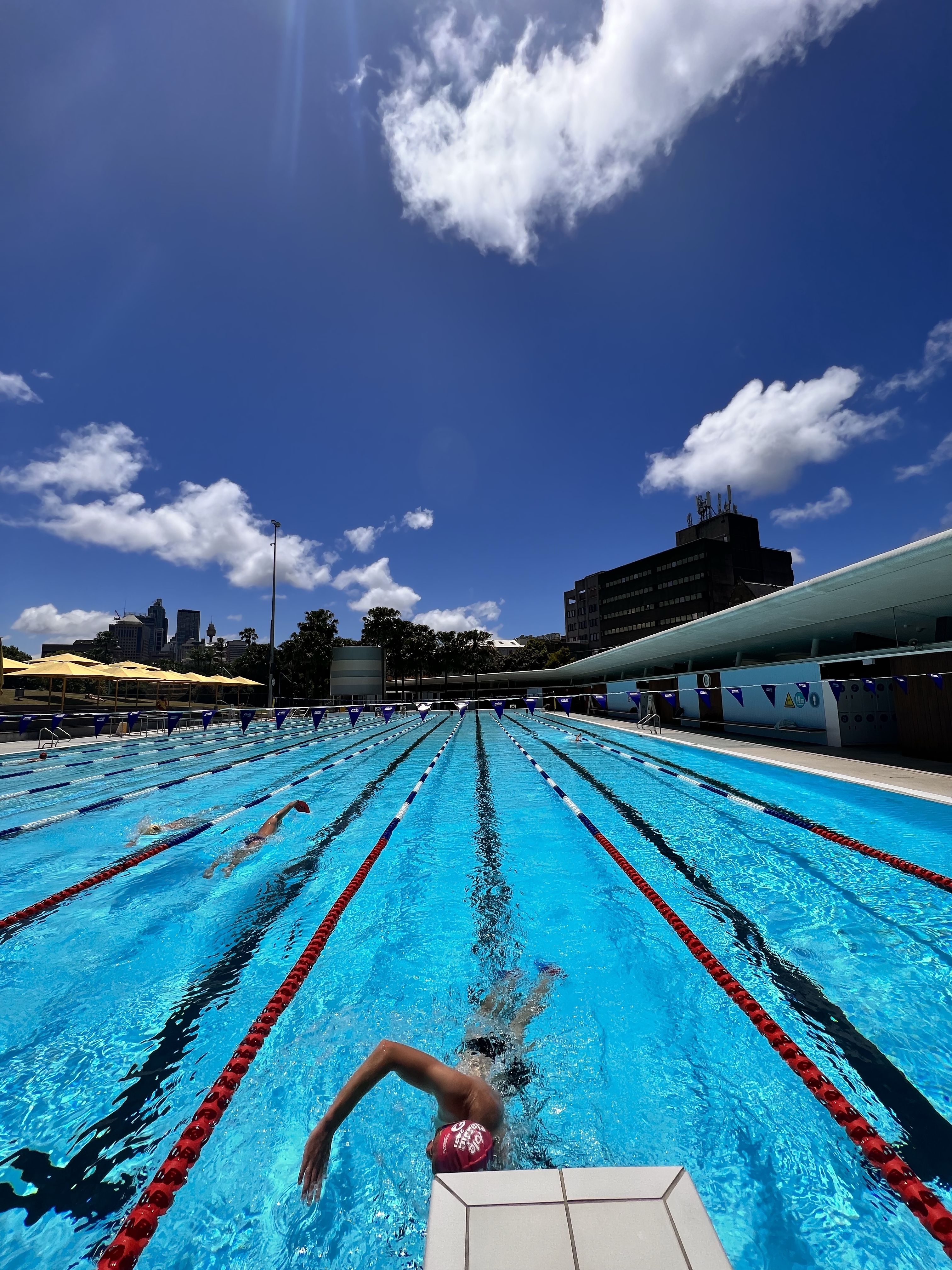
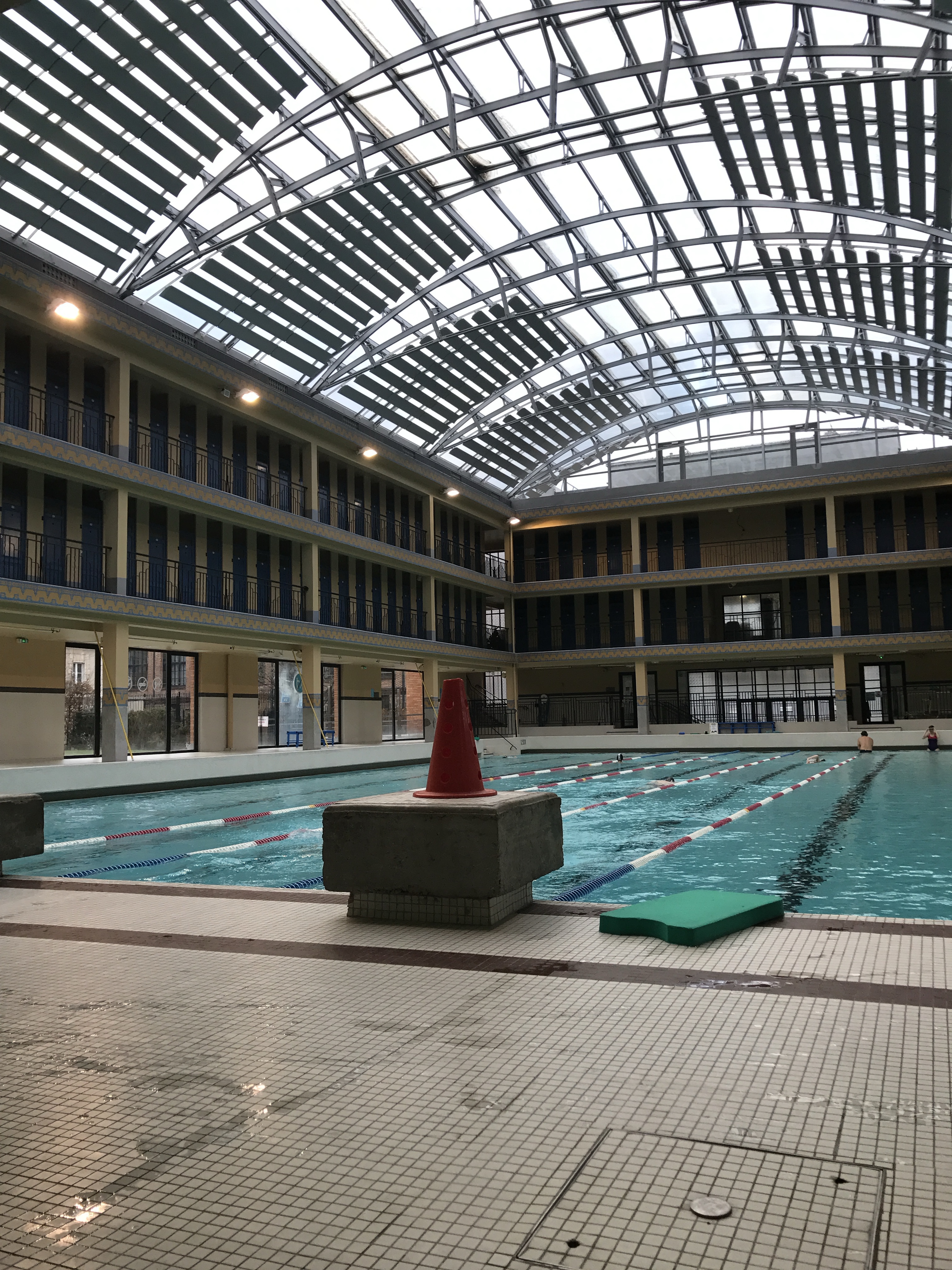
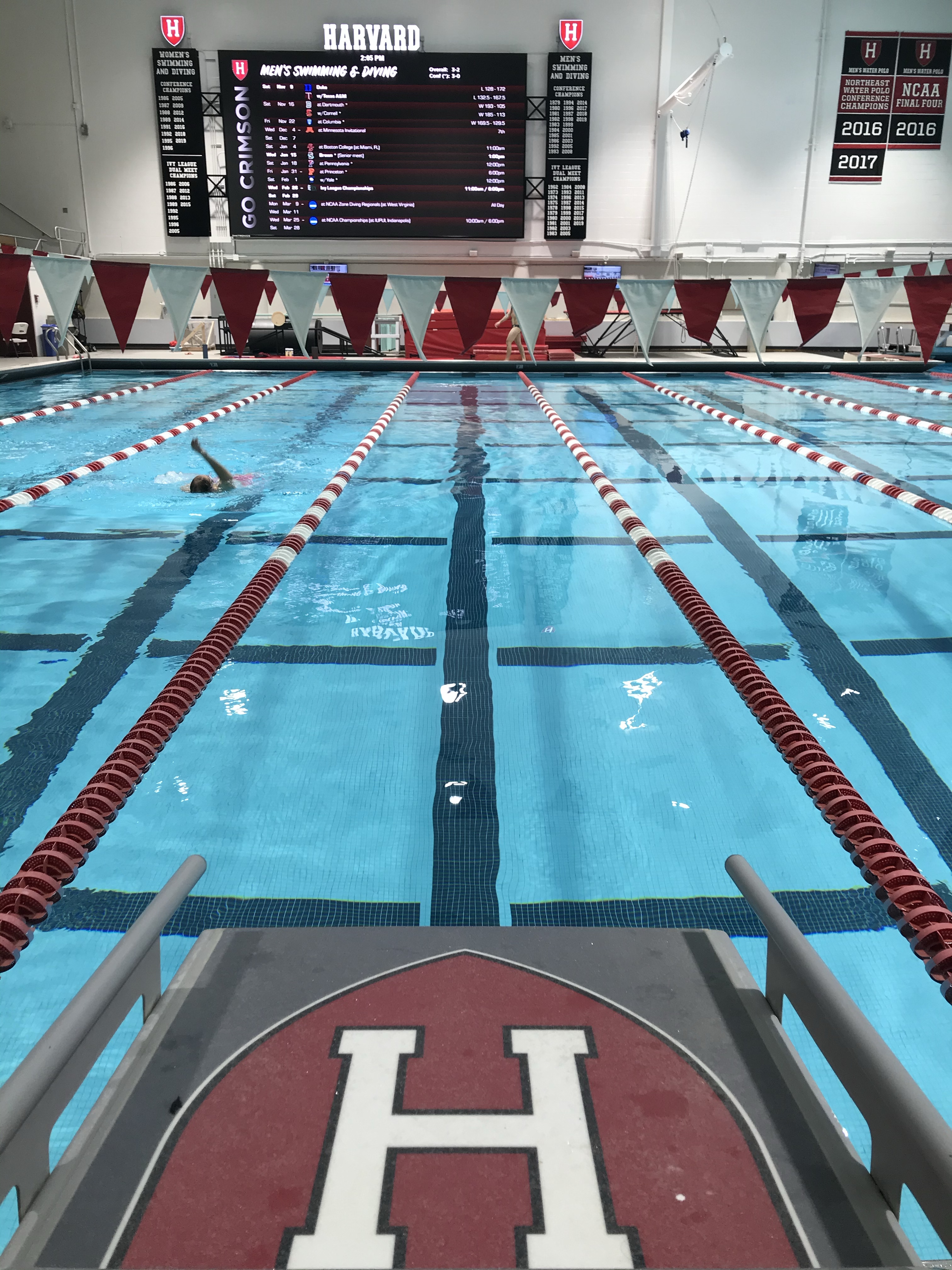
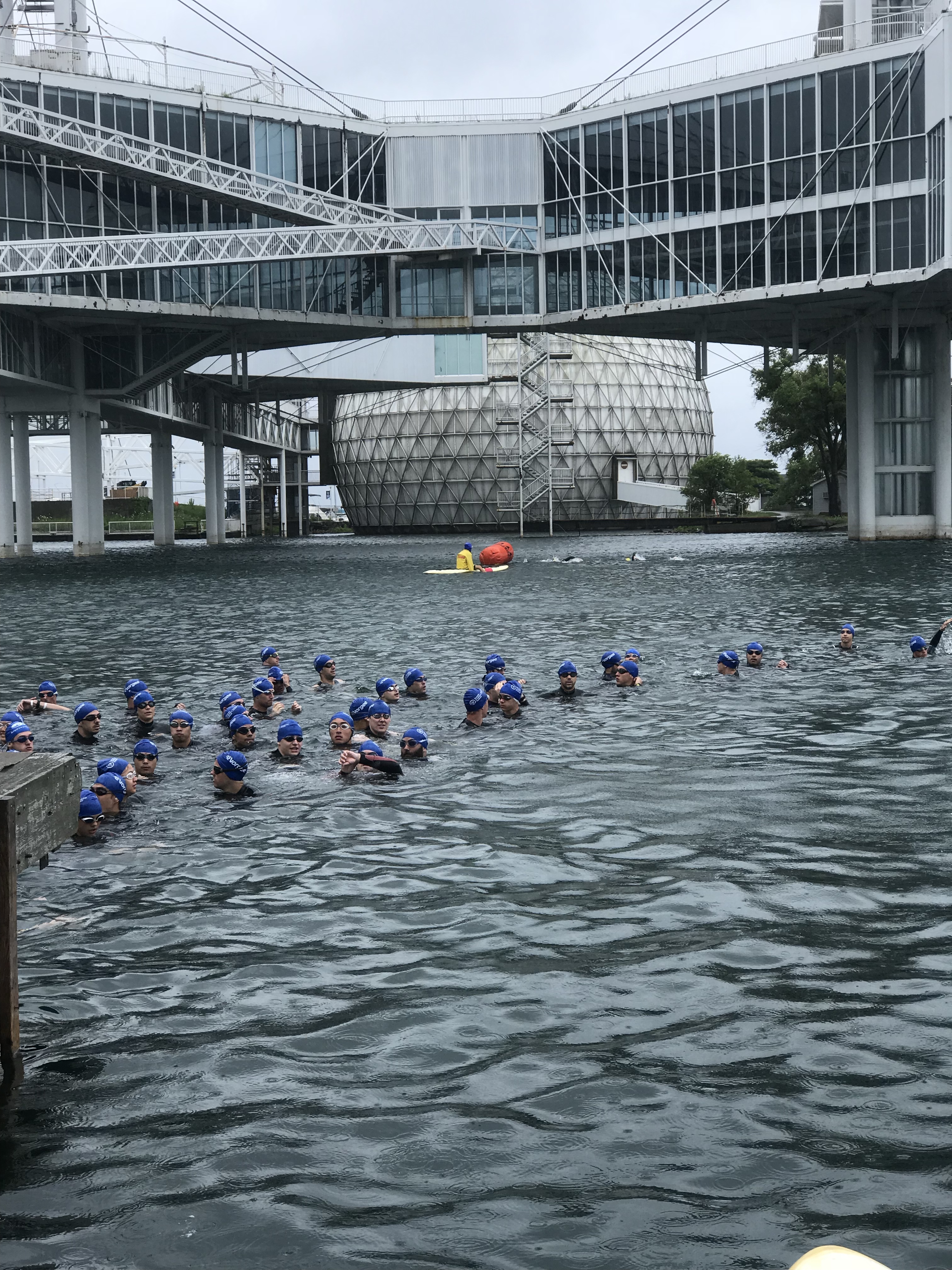
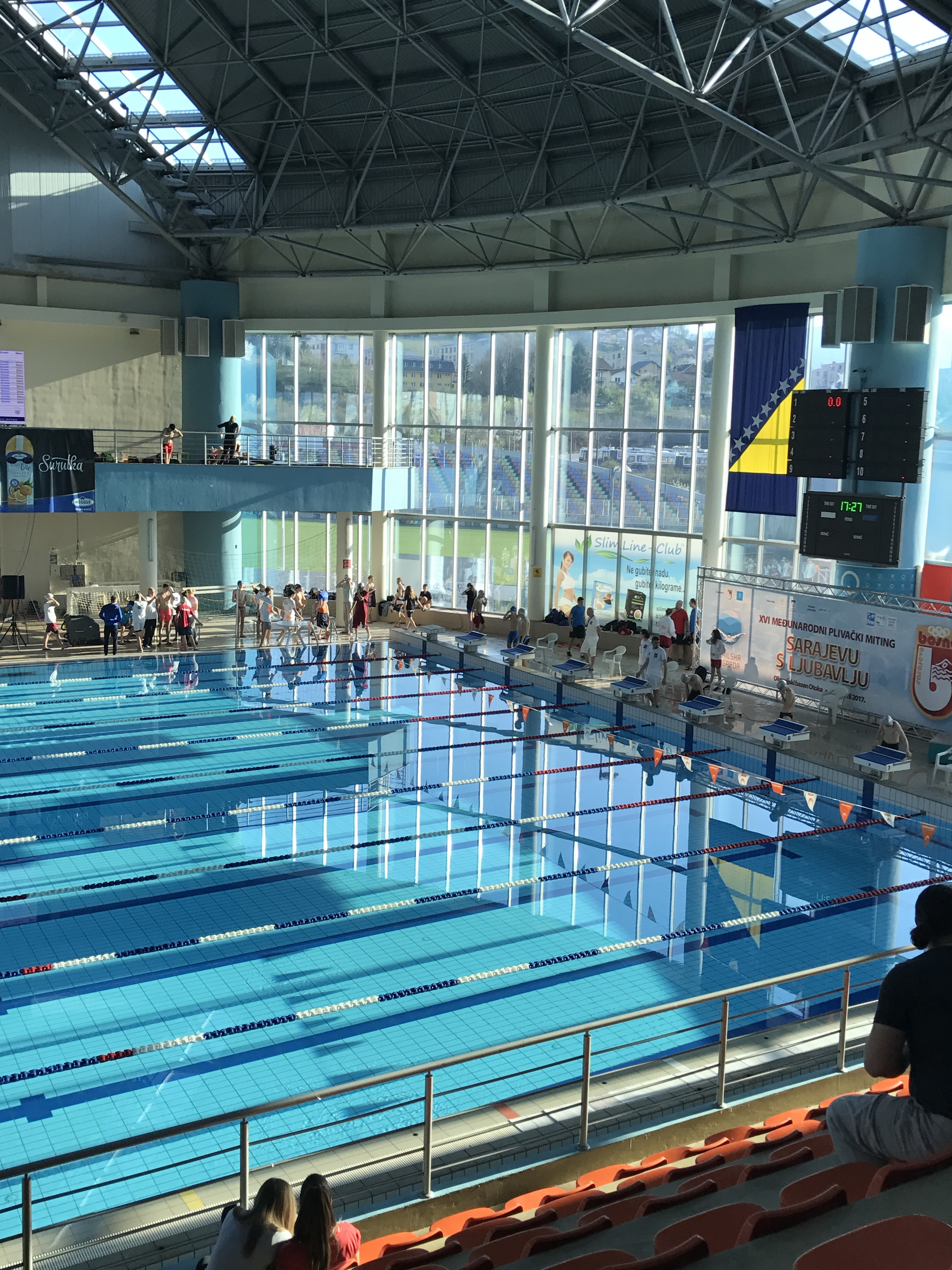
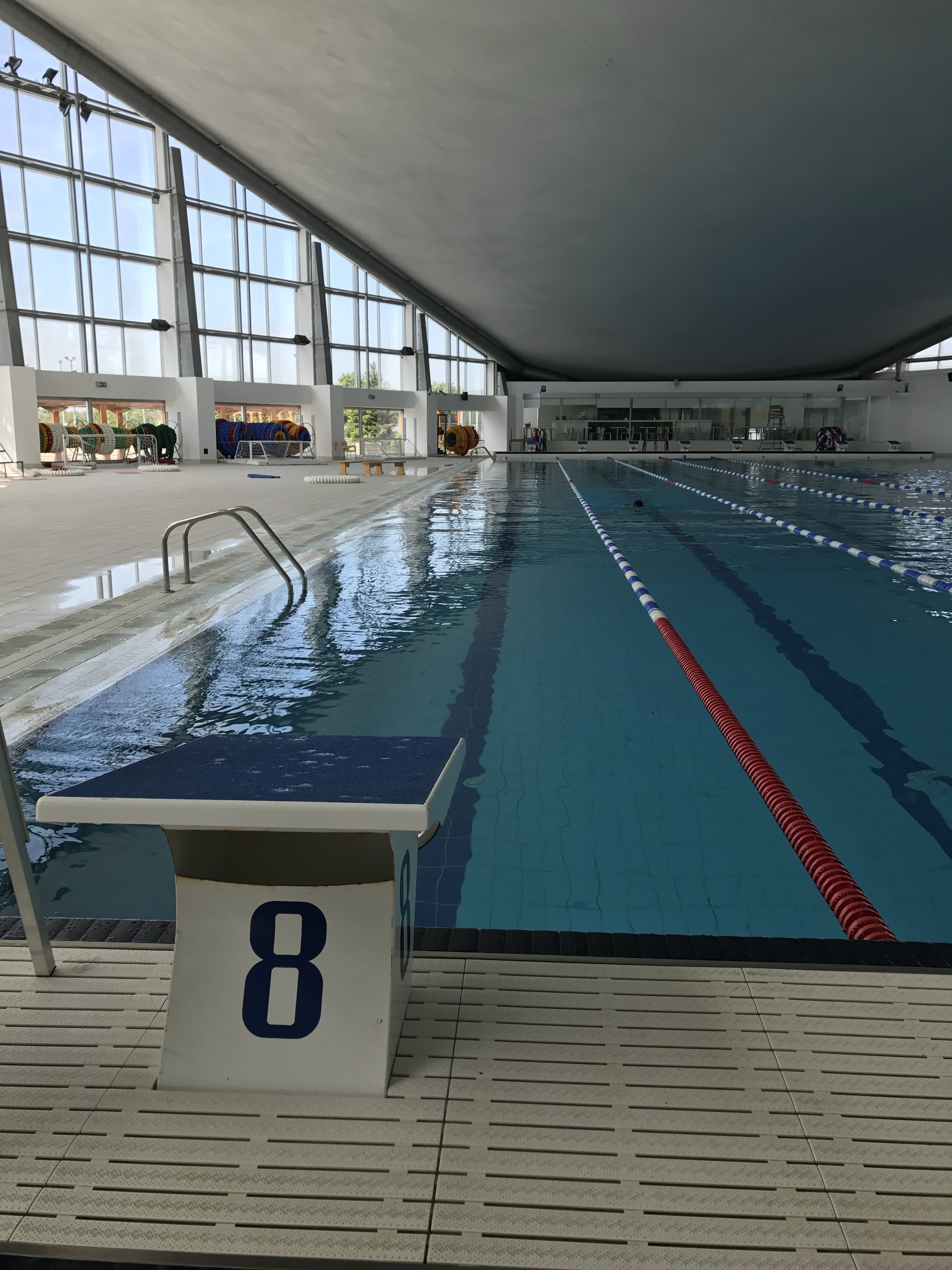
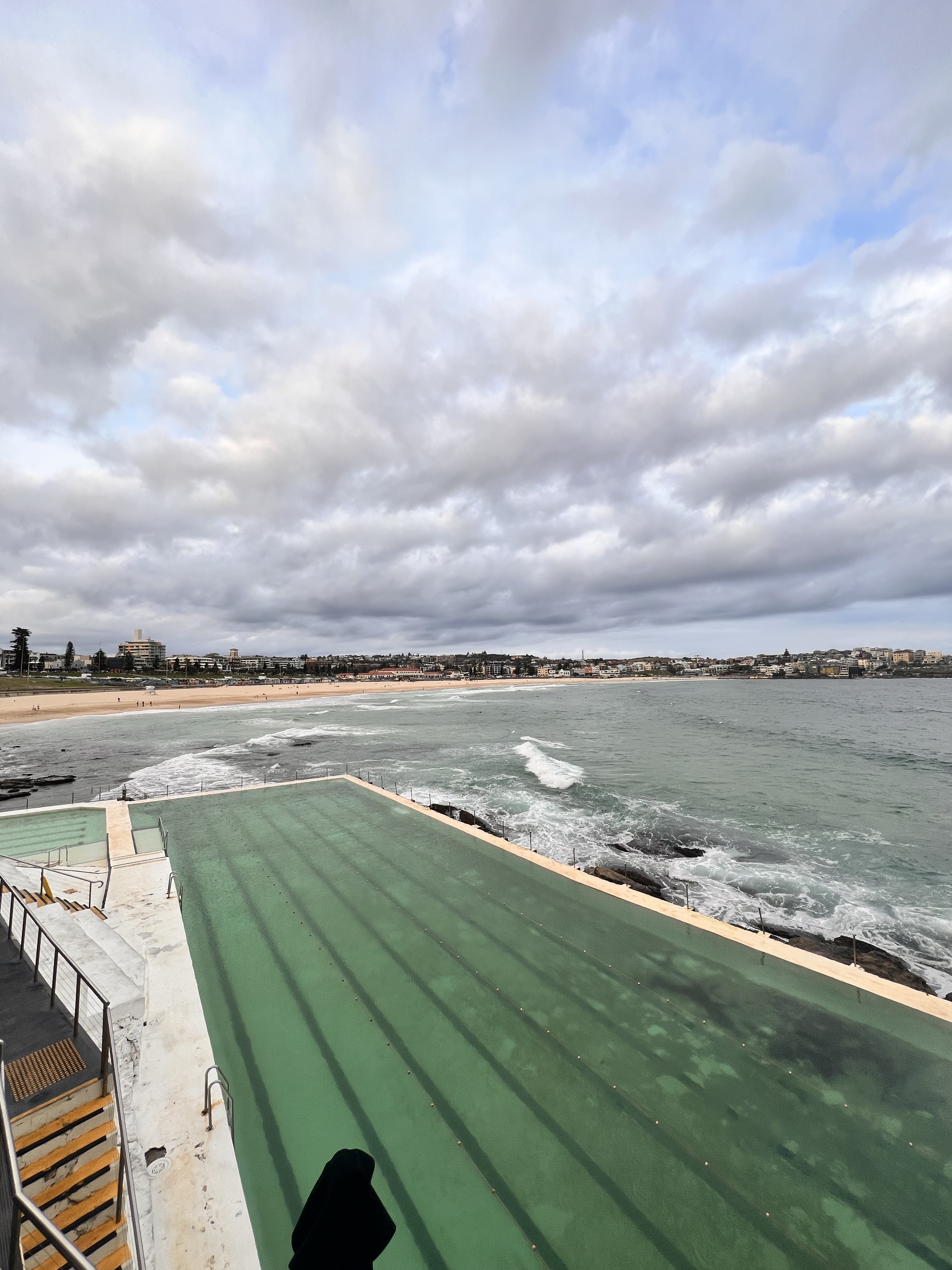
    I’ve had the chance to swim all around the world, and let me tell you, some swimming pools are next-level amazing. From infinity pools overlooking tropical beaches to rooftop pools in bustling cities, each one offers a unique experience. Check out the pictures below to see some of the incredible places I’ve had the pleasure of taking a dip.

    “There are only three sports: bullfighting, motor racing, and mountaineering; all the rest are merely games.”—Ernest Hemingway

    Sure, Hemingway didn’t include swimming in his list of real sports, but I’m pretty sure he never experienced the joy of a perfectly executed dive or the triumph of finishing a grueling set of laps. Swimming may not involve dodging bulls or scaling mountains, but it’s a sport that tests your limits and brings unparalleled satisfaction.

    So here’s to swimming: a lifelong love affair that started with a splash and has taken me on a journey across pools and oceans. Whether I’m teaching kids, training for a race, or just floating around on a lazy afternoon, swimming will always be my happy place. Now, if you’ll excuse me, I’ve got some water to conquer.

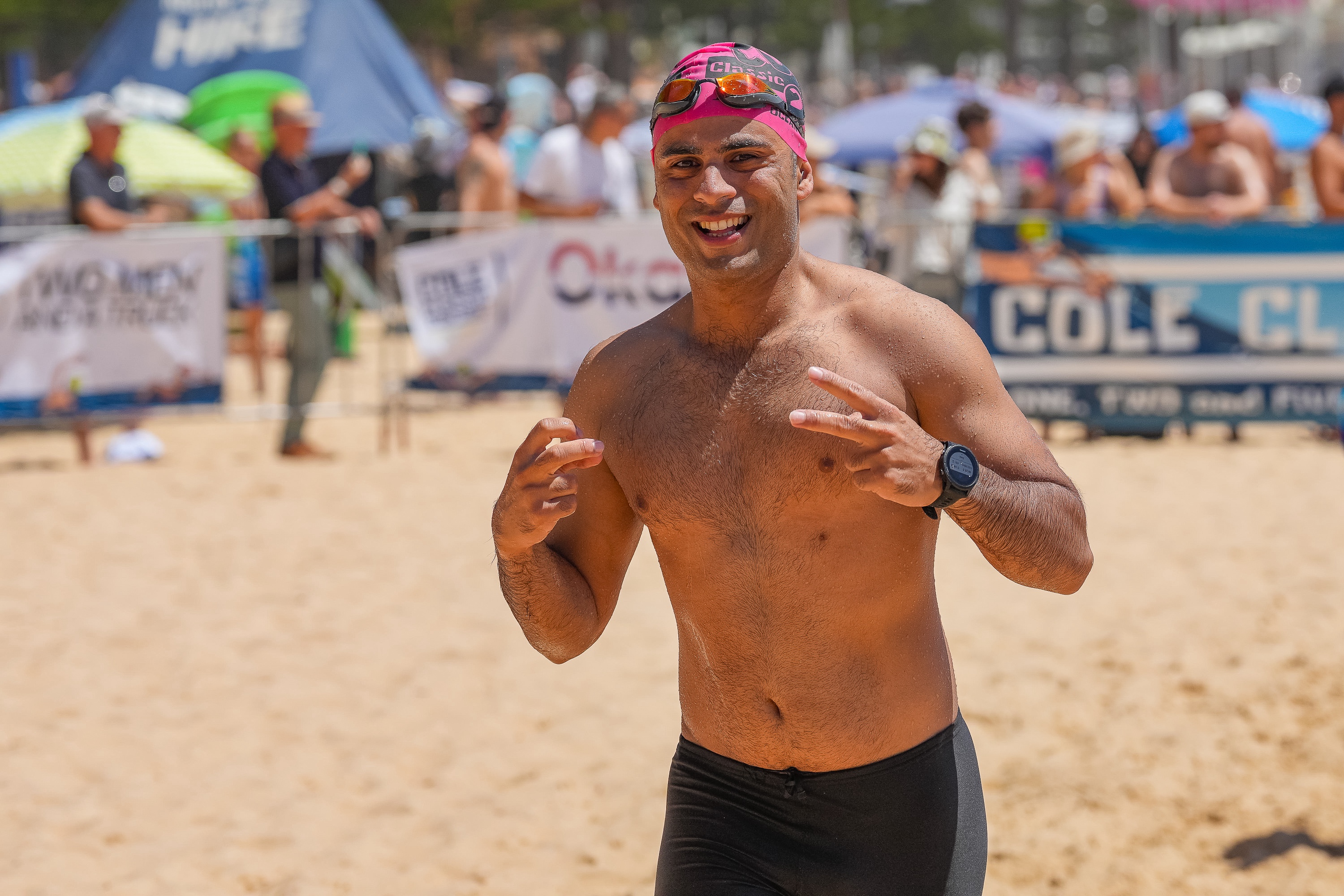
    Photos of my swimming adventures around the world:

    Prince Alfred, Sydney
    A converted jail into a pool in Paris, France
    Toronto TTF Race
    Andrew Boy Charlton Sydney
    Cole Class Sydney, Australia
    Harvard Campus Pool, Boston
    Mina Mile in Dubai


    Dive in, the water’s fine!

    Swimming the Lake Ontario, Canada
    Sarajevo, Bosnia
    Belgrade, Serbia
    Bondi, Australia
  • Picture this: it’s the middle of COVID, I’m in Toronto, and I decide to jump on board with Canva. At that time, Canva was making a “modest” $200 million in ARR. Fast forward, and now we’re cruising past $2 billion in ARR! Talk about a wild ride.

    The Early Days: Leading Two Teams

    So there I was, fresh-faced and eager, handed the reins to two teams—the subscriptions team (the real moneymaker) and the invoicing team. The subscriptions team rakes in majority of Canva’s revenue. No pressure, right? I figured, “Why not treat this like a four-year degree in growth that I can’t get anywhere else?”
    Canva’s Values: More Than Just Corporate Speak

    What really hooked me were Canva’s values: Be a Good Human, Pursue Excellence, Set Crazy Big Goals and Achieve Them, Be a Force of Good, Empower Others, Make Complex Things Simple. These aren’t just catchy slogans—they’re a way of life. I loved them so much, I printed them out using Canva (naturally) and plastered them all over my home office.

    The Move to Sydney: A Comedy of Homesickness

    After a year and a half in Toronto, Canva said, “Pack your bags, you’re moving to Sydney!” I thought, “Australia? Kangaroos, beaches, sunshine—what’s not to love?” Little did I know, I landed right in the middle of Australian winter and a two-month monsoon courtesy of La Niña. Homesick doesn’t even begin to cover it. I missed my Toronto condo with its CN Tower view, flying planes, and cycling with friends. Booking a one-way ticket back home seemed very tempting.

    The Turning Point: Sun, Thai Food, and a Famous Walk

    One sunny day (finally!) changed everything. I was in Newtown, enjoying some delicious Thai food, and decided to take a walk from Bondi to Bronte. The sun, the sea, the vibe—it was like Sydney whispered, “Give me another chance.” And I did.

    Making Friends and Finding My Groove

    Sydney’s known for being a tough nut to crack socially. Australians stick to their school friends like glue. So, I joined Urban Rec, a sports league, and played everything from flag football to golf. If dodgeball on Thursdays doesn’t build friendships, I don’t know what will.

    I also started a meetup group, “Product Growth,” to connect with fellow product nerds. At my first meetup, I met Chris, a Brit with a motorcycle jacket and scuba diving tales. He convinced me to get a motorcycle and an advanced scuba license. Now, we’re colleagues and buddies, exploring Sydney on bikes and diving with sharks. Who knew?

    Life in Sydney: Fun and Frenzy

    Two years in, and Sydney’s been a blast. From motorcycle adventures and scuba diving to skydiving and reconnecting with old friends from San Francisco, it’s been non-stop fun. Sydney’s chill vibe and love for travel and vacations made the transition easier, despite the initial homesickness.

    I’m beyond grateful to Canva for this opportunity. Living in Sydney has been a dream, adding another chapter to my global escapades in New York, San Francisco, Europe, Dubai, Tokyo, and now here.

    Reflecting on this journey, I realize how lucky I am to be part of a company that fuels both professional growth and personal adventures. Here’s to many more wild rides and crazy big goals with Canva!

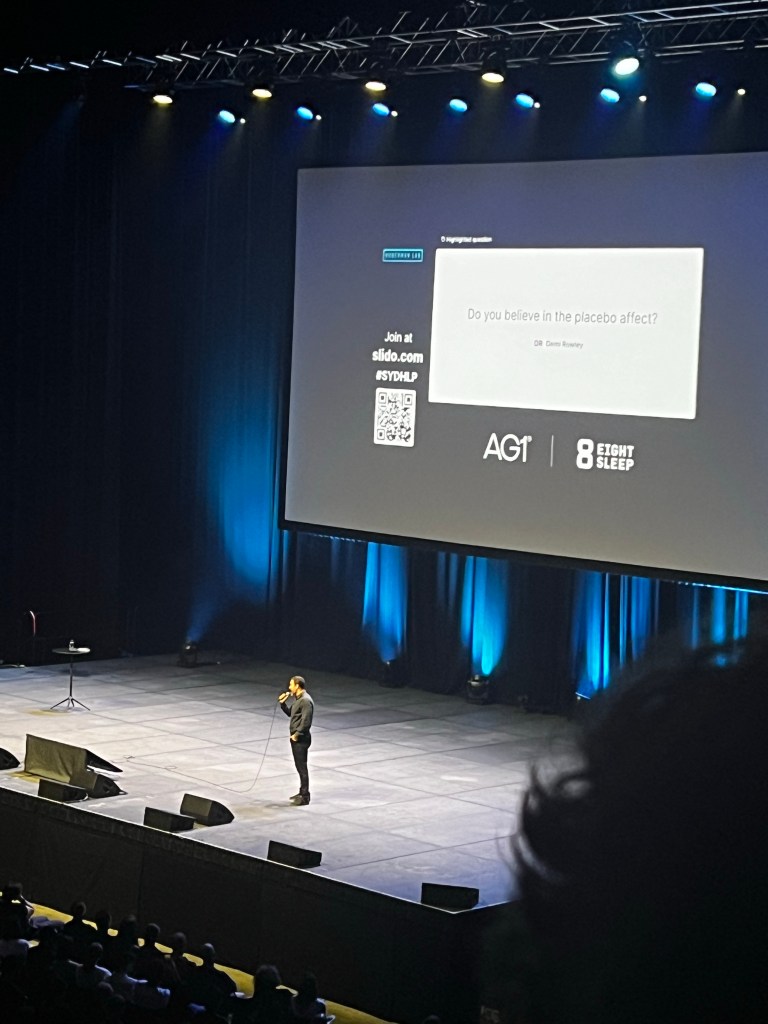
  • Imagine this: six thousand science nerds (myself included) packed into Sydney’s ICC center, hanging on every word of a Stanford neuroscientist who didn’t even bother with slides. Yep, that was Andrew Huberman’s “The Brain Body Contract” event. And let me tell you, it was mind-blowing. Not only did he sell out the Opera House and ICC, but he had us all captivated without a single PowerPoint. The man is a wizard.

    The Magic of Huberman’s Brainy Banter

    Huberman didn’t just drop science; he dropped knowledge bombs and personal stories from his adulthood that made us laugh, think, and sometimes even question our life choices. Here’s a rundown of the topics he covered:

    Napping and Sleep Quality

    Huberman kicked off with a Q&A session where someone asked about napping. Spoiler: it’s awesome for your brain, but don’t overdo it, or you’ll mess with your nighttime sleep. Who knew?

    The Power of the Placebo Effect

    Apparently, just believing something works can actually make it work. So next time you take that sugar pill, believe it’s the secret to superhuman strength. No guarantees, though.

    Entering Rest and Digest State: Techniques and Tools

    Huberman’s tips for calming down included some breathing exercises that I’m pretty sure will make me look weird in public. But hey, science says it works, so I’m in.

    Muscle Growth, Learning & the Brain

    Turns out, lifting weights isn’t just for looking good in a tank top. It actually helps your brain grow, too. So if you’re skipping leg day, you’re missing out on some serious brain gains.

    Hallucinogens: Personal Experiences & Clinical Insights

    Yes, he went there. Huberman shared some trippy stories and the science behind how hallucinogens can actually help with certain mental health issues. But remember, kids, don’t try this at home.

    The Misunderstood Effects of MDMA

    Huberman explained how MDMA, also known as ecstasy, isn’t just a party drug. It has potential in therapy settings. Cue the “whoa” moments.

    Exploring the Potential of MDMA in Clinical Settings

    More on MDMA, because why not? Huberman dove into the research showing how it might help people with PTSD. Mind. Blown.

    The Complex World of Psychedelics & Mental Health

    The takeaway? Psychedelics are complicated, but they might just be the future of mental health treatment. Who knew your brain on drugs could be a good thing?

    Ketamine: From Misconception to Medical Use

    Huberman busted myths about ketamine, explaining how it’s moving from club drug to legit medical treatment. The more you know.

    The Fascinating Science of DMT

    DMT – it’s not just for those looking to meet their spirit animal. Huberman talked about its fascinating effects on the brain and potential medical uses.

    Supporting Science: Funding & Future Directions

    Apparently, making science happen isn’t cheap. Huberman gave us a peek behind the curtain at the challenges of funding research. Spoiler: It’s tough out there for a neuroscientist.

    The Gut-Brain Axis: A Key to Overall Health

    Your gut is like your second brain. Who knew that what you eat can actually affect how you think and feel? Time to rethink that extra-large pizza.

    Sleep Patterns and Chronotypes: Personalizing Rest

    We all have different sleep needs. Huberman explained how understanding your sleep type can help you get better rest. So if you’re a night owl, embrace it.

    Addressing ADHD & Focus in the Modern World

    Finally, Huberman talked about ADHD and how we can better focus in today’s distracted world. Hint: it involves some cool brain hacks.

    The Swag: Booklets with Protocols

    On every seat, there was a booklet packed with protocols and supplement recommendations. Here’s a taste:

    Neuroplasticity

    Want to rewire your brain? Repeat behaviors and thoughts to make them stick. Simple, right?

    Motivation

    Dopamine is your friend, but don’t overdo it. Celebrate wins, but not every win, and avoid stacking too many sources of dopamine. And if you need a boost: L-Tyrosine, Phenylethylamine, and caffeine are your go-tos.

    Autonomic Nervous System

    Want to chill out instantly? Try the physiological sigh or panoramic vision. For offline tools, think cyclic hyperventilation, deliberate cold or heat exposure, and supplements like Inositol and Ashwagandha.

    Rest

    Sleep is the foundation of health. Stick to a sleep routine, get natural light, and limit caffeine. For a sleep boost, try Magnesium Threonate, Apigenin, Inositol, L-Theanine, and Ashwagandha.

    Focus

    To boost focus, try deliberate cold exposure and visual focus exercises. Fasting can help with neural energy, and binaural beats might give you that extra edge. Supplements? Alpha GPC, L-Tyrosine, and caffeine.

    Final Thoughts

    So, there you have it – a night at “The Brain Body Contract” with Andrew Huberman. It was a deep dive into the brain, packed with laughs, insights, and some pretty cool protocols. If you ever get the chance to see Huberman live, do it. Your brain will thank you. And if you haven’t had a chance to attend in person, you can watch the whole event here:

  • “On a cycle the frame is gone. You’re completely in contact with it all. You’re in the scene, not just watching it anymore, and the sense of presence is overwhelming. That concrete whizzing by five inches below your foot is the real thing, the same stuff you walk on, it’s right there, so blurred you can’t focus on it, yet you can put your foot down and touch it anytime, and the whole thing, the whole experience is never removed from immediate consciousness.” — Robert M. Pirsig, Zen and the Art of Motorcycle Maintenance

    So, there I was, sitting in my doctor’s office, expecting the usual “eat more greens” lecture. Instead, my doctor hits me with, “Your testosterone levels are up.” I blink. Say what now? He continues, “It seems riding your motorcycle has something to do with it.” Apparently, motorcycles are excitement machines on wheels, and excitement levels can crank up that testosterone. Who knew?

    You see, motorcycles aren’t just vehicles; they’re therapy on two wheels. They’re the secret sauce to enhanced situational awareness, a boost in testosterone (whoa!), and a whole lot of joy. Plus, it’s a well-known fact: you never see a motorcycle parked outside a therapist’s office. Why? Because the bike is the therapy!

    A Roaring Start

    My love affair with motorcycles began early. My dad used to drop me off at school on his Honda CB750, with its baby blue tank gleaming in the sunlight. The sound of his motorcycle coming home from work was my favorite melody, signaling his return. He kept that bike in “tip-top shape”, and it was like the modern-day version of a knight’s steed. And then there was my cousin Ali. Ali had a love for motorcycles, and his legacy rides on in every twist of my throttle.

    The Unexpected Bond

    Riding hasn’t just been a solo therapy session; it’s also brought me closer to my brother-in-law, Cameron. He’s always been a motorcycle enthusiast – I remember when he was dating my sister, he’d show up on this bright orange ZX 6r Kawasaki Ninja. Now, I’m looking forward to hitting the open road together – it’s better than any family bonding activity. It’s like we found our own secret handshake, but louder and faster. Ironically, before I was even into motorcycles, I gave Cameron the book Zen and the Art of Motorcycle Maintenance by Robert M. Pirsig. Motorcyle’s is our favorite topic of conversation as we meet in family gatherings.

    Unlocking Sydney’s Secrets

    Motorcycles have this magical ability to make you explore. Living in Surry Hills, I thought I had Sydney all figured out. Then I got my bike. Suddenly, the city unfolded like a treasure map. Quaint little neighborhoods, hidden cafes, and breathtaking coastal roads that I never would have discovered otherwise. It’s like the world expands exponentially when you’re on two wheels.

    Situational Awareness: The Superpower

    Riding a motorcycle isn’t just about the thrill; it’s a masterclass in situational awareness. When you’re on a bike, you need to notice every pothole, every car behind you, beside you, and predict every potential hazard. It’s a constant, high-stakes game of chess with the road.

    But how does this skill translate to life and work? Simple.

    Attention to Detail: On a motorcycle, you learn to pay attention to the smallest details. This can help you in your professional life by making you more meticulous and detail-oriented. Whether it’s catching an error in a report or noticing a small but crucial detail in a project, this heightened sense of awareness can be invaluable.

    Anticipation: Motorcycling teaches you to anticipate the actions of others. You become adept at predicting when a car might change lanes without signaling or when a pedestrian might step into the street. In the workplace, this ability can translate to foreseeing potential issues before they arise, allowing you to mitigate risks and avoid problems.

    Quick Decision-Making: The road requires you to make split-second decisions. This ability to think on your feet and make rapid, informed choices is equally valuable in a professional setting, where swift and decisive action can be the difference between success and failure.

    Focus and Presence: On a motorcycle, you must be entirely present. There’s no room for daydreaming or distractions. This focus can enhance your productivity and efficiency at work. Being fully present means you’re more engaged and can handle tasks with greater accuracy and speed.

    Stress Management: The constant vigilance required on a motorcycle helps you develop a higher tolerance for stress. This can be a huge asset in high-pressure work environments, allowing you to stay calm and composed when things get hectic.

    Whenever I’m feeling stressed, I just jump on my motorcycle and hit the road. One of my favorite rides was a trip to the Pacific Highway with a work colleague. We ended up at the Pie in the Sky cafe for some delicious pies on a Sunday. The ride, the scenery, the pies – it was pure bliss.

    The Camaraderie

    If you’re looking for therapy, camaraderie, and friends, look no further than a motorcycle license. The motorcycle community is a tight-knit group of like-minded adventurers. It’s like joining a club where everyone understands the thrill of the ride. Plus, who doesn’t want a squad to roll up with?

    Motorcycle vs. Supercar

    Motorcycles can school supercars any day of the week. And they do it with a price tag that won’t make your wallet cry. The thrill, the speed, the agility – all wrapped up in a sleek, affordable package. You get all the exhilaration without needing to sell a kidney.

    The Therapeutic Roar

    There’s something inherently therapeutic about riding a motorcycle. The roar of the engine, the wind in your face, the focus required – it’s meditation in motion. When life gets overwhelming, a ride can clear your mind better than any therapist’s couch. And unlike traditional therapy, it comes with the added bonus of adrenaline and adventure.

    So, the next time someone tells you to see a therapist, just nod and smile, knowing you’ve got your own form of therapy waiting in the garage. Because nothing says “mental health boost” like a well-timed rev of the engine. And who knows, it might even bump up your testosterone levels too!


    Motorcycle Therapy

  • Maintaining peak physical and mental performance is crucial for me to feel good and live my best life. Over the past few months, I’ve been following the foundational fitness protocol by Andrew Huberman, a renowned neuroscientist and professor at Stanford University, to enhance my fitness and overall health. This protocol, outlined in one of his insightful podcasts, is a comprehensive and scientifically-backed fitness plan that has significantly improved my well-being. Here’s episode where he goes in depth:

    The Protocol Breakdown

    Huberman’s fitness protocol is structured around a weekly schedule that targets various aspects of fitness, including endurance, strength, recovery, and high-intensity training. Here’s a detailed look at the weekly regimen:

    • Sunday (Long Endurance Workout): Engage in Zone 2 cardio for 60-75 minutes. This includes activities like jogging, rowing, cycling, or swimming. Zone 2 cardio involves breathing faster than normal but still being able to maintain a conversation.
    • Monday (Legs Resistance Training): A 10-minute warm-up followed by 50-60 minutes of leg-focused resistance training, alternating between exercises that target the quadriceps, hamstrings, and calves.
    • Tuesday (Heat & Cold Exposure/Recovery): This day is dedicated to recovery through deliberate heat (sauna) and cold exposure (ice bath or cold shower), repeated 3-5 times.
    • Wednesday (Torso & Neck Resistance Training): Another 10-minute warm-up followed by 50-60 minutes of resistance training for the chest, back, shoulders, and neck.
    • Thursday (Cardiovascular Training): A moderate-intensity cardio session for 35 minutes, aiming for 75-80% of maximum effort.
    • Friday (High-Intensity Interval Training – HIIT): HIIT involving 20-60 seconds of all-out sprint followed by 10 seconds of rest, repeated for 8-12 rounds.
    • Saturday (Arms, Neck & Calves Training): A similar structure to Wednesday, focusing on the biceps, triceps, calves, and neck.

    The Benefits Backed by Science

    Following this protocol has yielded remarkable benefits, which are supported by scientific research:

    1. Enhanced Cardiovascular Health: Zone 2 cardio and moderate-intensity cardiovascular training improve heart health by increasing cardiac output and enhancing the efficiency of the cardiovascular system​​.
    2. Muscle Strength and Endurance: The resistance training components help in building muscle mass and strength. Alternating between heavy and moderate-lighter weights as outlined in Schedule A and B optimizes muscle hypertrophy and endurance​​.
    3. Recovery and Resilience: The deliberate use of heat and cold exposure has been shown to enhance recovery by reducing inflammation, improving circulation, and promoting mental resilience. Studies indicate that heat exposure can increase the production of heat shock proteins, which protect cells from stress, while cold exposure can boost norepinephrine levels, improving mood and focus​​.
    4. Fat Loss and Metabolic Health: High-Intensity Interval Training (HIIT) is known for its efficiency in burning fat and improving metabolic health. HIIT increases post-exercise oxygen consumption, leading to higher calorie burn even after the workout is completed​​.
    5. Injury Prevention: Specific neck and calf exercises included in the protocol are vital for improving posture and preventing injuries, especially for those who spend long hours working at a desk like I do​​.

    Personal Experience and Conclusion

    Implementing Huberman’s foundational fitness protocol has been transformative for me. Not only do I feel physically stronger and more resilient, but my mental clarity and productivity have also significantly improved. The structured approach, combined with the scientific principles behind each component, provides a comprehensive framework that addresses all aspects of health and fitness.

    For anyone looking to enhance their fitness and overall health, I highly recommend giving this protocol a try. It’s more than just a workout plan; it’s a holistic approach to achieving optimal physical and mental performance.

    You can learn more about Andrew Huberman’s fitness protocol by watching his detailed video here.

    Stay healthy, stay fit!


    References

    • Huberman, A. (2022). Deliberate Heat Exposure Protocols for Health and Performance. Huberman Lab
    • Huberman, A. (2022). The Science and Use of Cold Exposure for Health and Performance. Huberman Lab
    • Huberman, A. (2022). Foundational Fitness Protocol. PDF Document
  • So, I was chatting with a friend the other day about how living in big, ambitious cities has totally changed my life. We were talking about places like San Francisco and New York and how they’ve shaped our careers and personal growth. It got me thinking about Paul Graham’s essay “Cities and Ambition”, which really hits home for me.

    The Magnetism of Ambitious Cities

    Paul Graham nails it when he says great cities attract ambitious people. It’s not just about the opportunities but the vibe these cities have. You can feel the ambition in the air, which is so true for San Francisco and New York.

    San Francisco: The Epicenter of Innovation and “Interesting” Smells

    Living in San Francisco is like being at the heart of innovation—if that heart had an oddly persistent smell of, well, let’s just say “urban aroma.” The city is full of tech and creativity, often mixed with the occasional whiff of the streets. But don’t let the smell of urine put you off; this place is bursting with opportunities.

    I moved into a startup house in June 2014 and met Mujtaba, a friend who changed my career path. From then on, my career took off, dodging potholes and avoiding the sky-high rent prices that could make anyone cry more than the city’s unique fragrance.

    Mujtaba helped me get my first product management job. We had crazy adventures—like camping in Yosemite, almost getting eaten by a bear, and debriefing our weeks at Chaat Cafe while avoiding tech bros and their IPO dreams. Sure, the infrastructure might be falling apart, and the homelessness crisis is sad, but the friendships I made are solid. I mean, I’m attending their weddings now, where the guest list is full of ex-startup founders.

    New York: The City That Never Sleeps (But You Might If You Can’t Afford Rent)

    Moving to New York brought a different kind of ambition, seasoned with subway grime and street vendor hot dogs. New York is all about relentless energy and diversity, with someone always yelling, “I’m walking here!”

    In New York, I honed my skills and expanded my horizons, learning to navigate the rat race—sometimes literally, on the subway. If you can survive a summer in the sweaty, packed subway, you can survive anything. The city’s demand for excellence and vast network of professionals was a goldmine for learning. Plus, there’s no better place to master the art of pretending you didn’t just see a rat the size of a small dog.

    Eating out in New York is an adventure. From $1 pizza slices to $100 artisanal vegan sushi, the food scene is as varied as it is expensive. But it’s all part of the city’s charm. And the friendships I made here are priceless. Many of my closest friends, whose weddings I now attend, were met over shared subway rides and rooftop parties.

    Lessons from Ambitious Cities

    Living in these cities taught me a few key things:

    1. Network and Mentorship: Building a strong network and seeking mentorship is crucial. Mujtaba’s guidance in San Francisco was pivotal in my early career stages.
    2. Adaptability and Growth: Both cities demanded adaptability and a growth mindset. Whether it was adjusting to New York’s fast pace or San Francisco’s innovative culture, these experiences fostered resilience and flexibility.
    3. Vision and Innovation: Being around ambitious people and cutting-edge ideas fueled my drive to innovate.
    4. Cultural Immersion: Immersing myself in these diverse cultures broadened my perspective and enriched my life.

    Living in ambitious cities like San Francisco and New York has been a game changer for my career. These cities, with their unique vibes and opportunities, have pushed me toward my goals and shaped my path. As I keep moving forward, I carry the lessons and experiences from these vibrant urban jungles with me.


  • After a lively phone conversation with a friend, I found myself reflecting on how some of today’s most successful companies have been shaped by visionary leaders who often weren’t the original founders. We delved into how figures like Elon Musk and Mark Zuckerberg have taken foundational ideas—sometimes acquired or borrowed—and propelled their companies to extraordinary heights. Here are my thoughts following that discussion.

    Elon Musk and Tesla: Redefining Electric Vehicles

    Elon Musk’s journey with Tesla is a perfect example of how transformative leadership can redefine a company. Although Tesla was originally founded in 2003 by Martin Eberhard and Marc Tarpenning, it was Musk’s vision for a sustainable future that really took the company to the next level. He wasn’t there at the inception, but his involvement—especially his hands-on approach in design and engineering—made Tesla synonymous with innovation in the automotive industry. Under his leadership, Tesla has not only popularized electric vehicles but also pushed the boundaries of what is possible in autonomous driving and renewable energy.

    Mark Zuckerberg and Facebook: From Dorm Room Project to Social Media Giant

    Our conversation then shifted to Mark Zuckerberg and Facebook. Initially conceived in 2004 by Zuckerberg, Eduardo Saverin, Andrew McCollum, Dustin Moskovitz, and Chris Hughes while they were at Harvard, Facebook has grown into a global social media powerhouse. It’s fascinating to think that the idea behind Facebook wasn’t entirely original—it drew inspiration from existing social networks like Friendster and MySpace, and even a Harvard-specific site called “Facemash” created by Zuckerberg.

    Despite this, Zuckerberg’s strategic vision, focus on user experience, and relentless drive for expansion turned Facebook into the social media giant it is today. His acquisitions of companies like Instagram and WhatsApp showcase his ability to integrate and scale ideas far beyond their original scope.

    Twitter and X: Evolution Through Acquisition and Leadership Changes

    We also discussed the evolution of Twitter, now rebranded as X under Elon Musk’s leadership. Originally founded in 2006 by Jack Dorsey, Noah Glass, Biz Stone, and Evan Williams, Twitter revolutionized social media with its microblogging platform. Musk’s acquisition of Twitter reflects his broader ambitions for a multi-faceted platform that combines social media, payments, and various digital services. This dramatic shift under new leadership exemplifies how acquisitions and vision can dramatically alter a company’s trajectory.

    Other Notable Examples

    1. Instagram
      • Original Founders: Kevin Systrom and Mike Krieger
      • Acquisition: Acquired by Facebook (now Meta) in 2012 for $1 billion.
      • Transformation: Under Facebook’s ownership, Instagram evolved from a simple photo-sharing app to a major social media platform with features like Stories, IGTV, and Reels.
    2. YouTube
      • Original Founders: Steve Chen, Chad Hurley, and Jawed Karim
      • Acquisition: Acquired by Google in 2006 for $1.65 billion.
      • Transformation: Google’s acquisition allowed YouTube to scale massively, becoming the world’s largest video-sharing platform and a cornerstone of Google’s digital ecosystem.
    3. WhatsApp
      • Original Founders: Jan Koum and Brian Acton
      • Acquisition: Acquired by Facebook (now Meta) in 2014 for $19 billion.
      • Transformation: Facebook expanded WhatsApp’s capabilities, integrating end-to-end encryption and developing a business platform to enhance its utility and reach.

    Our conversation made it clear that the essence of a founder often lies not just in the initial idea, but in the vision and leadership that drives a company forward. Elon Musk, Mark Zuckerberg, and other transformative leaders have demonstrated that it’s possible to take foundational concepts, whether self-created or acquired, and elevate them to extraordinary success. Their ability to innovate, adapt, and inspire has set new standards in their respective industries.

    Reflecting on our chat, it’s evident that the impact of these visionaries will continue to shape the business landscape for generations to come. Their journeys underscore the importance of vision, adaptability, and strategic leadership in turning ideas into global phenomena. Whether through original innovation or transformative acquisition, these companies exemplify the power of visionary leadership in achieving sustained success.

  • In the realm of love stories, some are written in the stars, and others are written in the kitchen. Mine falls squarely in the latter category, and its protagonist is none other than the humble, often misunderstood vegetable: okra. Yes, you heard that right—okra. That slimy, green, pod-like marvel that’s often the star of stews, fried dishes, and gumbo.

    You see, while others might declare their undying love for chocolate or confess their weakness for a perfectly cooked steak, I am here to shout from the rooftops about my passion for okra. This is not just a casual fling; it’s a full-blown, can’t-live-without-you kind of relationship. And yes, I’ve even made a video of myself cooking okra to prove it:

    Zain Cooking Okra

    The Beginning of a Beautiful Friendship

    My affair with okra started innocently enough. As a child, my mother would make okra curry, and I would watch, fascinated by how these green pods transformed into something magical with a bit of heat and spice. While my friends were busy collecting action figures or obsessing over the latest video games, I was daydreaming about the next okra dish.

    Fast forward a few years, and this childhood fascination turned into a full-grown obsession. I started experimenting with recipes, trying to capture that perfect balance of flavor and texture. Fried, grilled, stuffed, or sautéed—no preparation was off-limits. I even became that person who brings okra dishes to potlucks, proudly presenting my creations like a proud parent showing off their kid’s latest achievement.

    Okra: The Underdog Hero

    Now, I know what you’re thinking: “Okra? Really?” Yes, really. Okra is the underdog hero of the vegetable world. It’s like the quirky best friend in a rom-com who’s always there with a witty remark and a shoulder to cry on. Sure, it might not have the glamorous appeal of an avocado or the universal acceptance of a potato, but it’s got character, darn it!

    Okra has a unique texture and flavor that can be a bit polarizing. Some people shy away from it because of its natural mucilaginous (a fancy word for slimy) quality. But in the right hands, that slime becomes a silky, delicious sauce that coats your taste buds in pure joy. And let’s not forget its nutritional benefits—okra is a powerhouse of vitamins, minerals, and fiber.

    The Moral of the Story

    So, what’s the takeaway here? Well, for one, don’t underestimate the power of an unlikely love story. Okra might not be everyone’s first choice, but for those who dare to look beyond the surface, there’s a world of delicious possibilities waiting. And secondly, if you’re passionate about something—whether it’s a vegetable, a hobby, or a career—embrace it wholeheartedly. You never know where it might lead you.

    As for me, I’ll continue to sing the praises of okra, one dish at a time. And if you ever find yourself doubting the magic of this incredible vegetable, just watch my cooking video. You might just find yourself falling in love with okra too.

    Bon appétit!

  • “Everybody is a genius. But if you judge a fish by its ability to climb a tree, it will live its whole life believing that it is stupid.”

    Lately, I’ve been pondering the concept of the “Zone of Genius.” It’s a powerful idea that suggests our greatest potential and fulfillment lie in activities that naturally align with our innate talents and passions. This idea resonates with me deeply, especially when I reflect on my own journey and observe the struggles many people face in their workplaces.

    In my experience as a product manager and an entrepreneur, I’ve seen firsthand how operating outside the Zone of Genius can lead to frustration and burnout. Many of us end up in roles that don’t fully utilize our unique strengths or ignite our passions. We might be good at what we do, but there’s a difference between competence and brilliance, between doing a job and thriving in it.

    Understanding the Zone of Genius

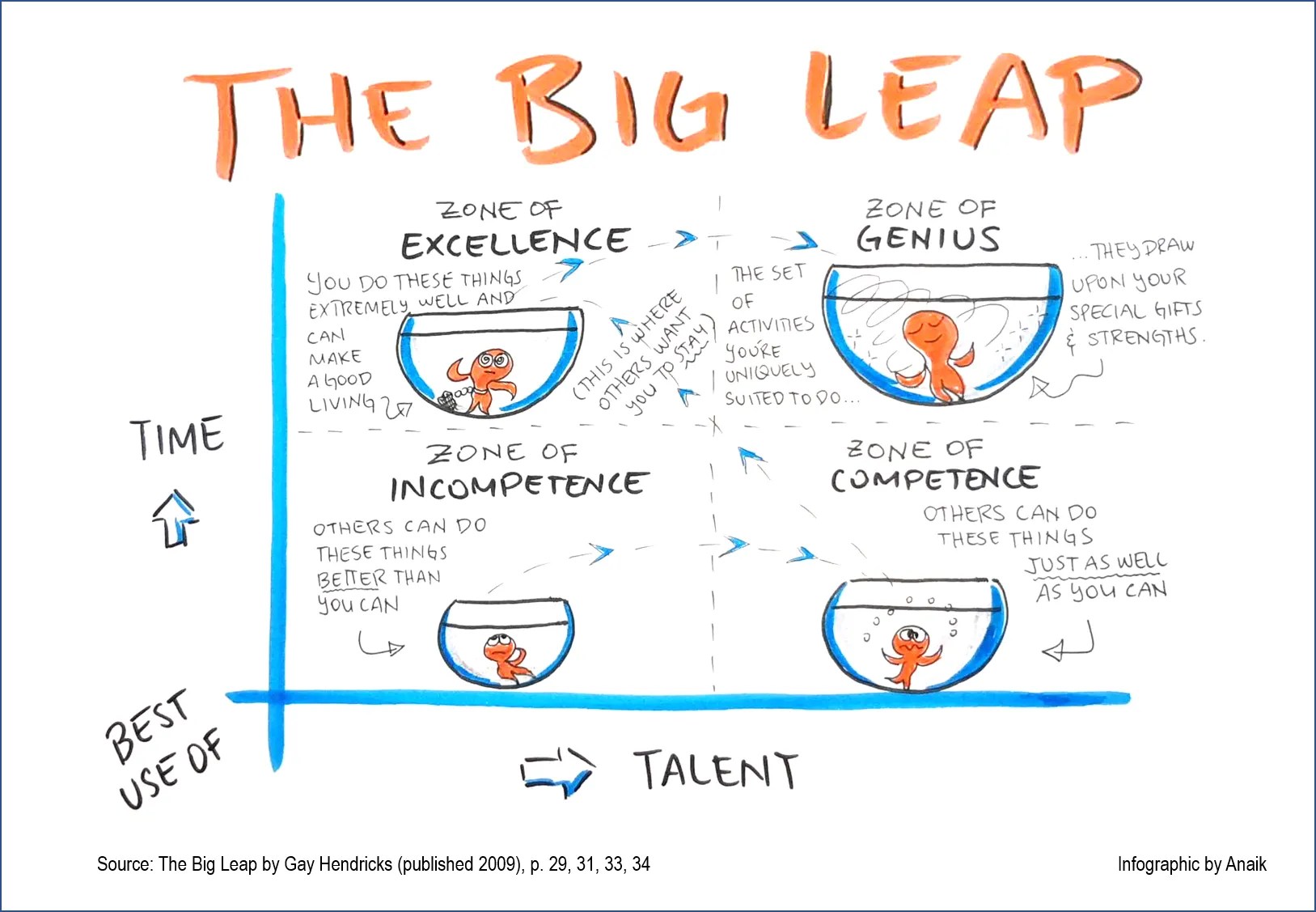
    The Zone of Genius is a concept popularized by Gay Hendricks in his book “The Big Leap.” It refers to the area where our greatest strengths and deepest passions intersect. When we’re operating in this zone, work feels effortless, time flies, and we produce our best results. It’s where our natural talents shine the brightest, and where we find the most joy and satisfaction.

    The Struggle Outside the Zone

    Many people spend their careers in what Hendricks calls the “Zone of Competence” or the “Zone of Excellence.” In the Zone of Competence, we perform tasks that we can do well but that many others can do equally well. In the Zone of Excellence, we excel and receive praise and rewards, but still, there’s a sense of something missing. These zones, while comfortable, don’t tap into our full potential.

    Finding Your Zone of Genius

    Identifying your Zone of Genius requires introspection and experimentation. Here are a few steps that have helped me and might help you too:

    1. Reflect on Your Joys and Strengths: Consider activities that make you lose track of time and bring you immense satisfaction. What are you naturally good at? What do others often seek your help with?

    2. Seek Feedback: Sometimes, others can see our strengths more clearly than we can. Ask trusted colleagues, friends, and mentors for their insights on what they believe your unique talents are.
    3. Experiment and Adjust: Try new roles, projects, or tasks that align with your interests and strengths. Pay attention to how you feel and what results you produce. Adjust based on your experiences and feedback.
    4. Align Your Work: Once you have a clearer understanding of your Zone of Genius, look for ways to align your work with it. This might mean shifting your current role, seeking new opportunities, or even starting your own venture.

    The Benefits of Working in Your Zone of Genius

    When we operate in our Zone of Genius, work doesn’t feel like work. We experience a sense of flow and fulfillment that is deeply satisfying. Our productivity and creativity soar, and we make a greater impact. Moreover, we inspire those around us, creating a positive ripple effect in our teams and communities.

    Working in the Zone of Genius is more than just a career strategy; it’s a path to a more meaningful and joyful life. By understanding and embracing our unique talents and passions, we can transform our work experiences and achieve greater success and satisfaction. If you’re feeling stuck or unfulfilled in your current role, consider exploring your Zone of Genius. The journey may lead you to unexpected and wonderful places.

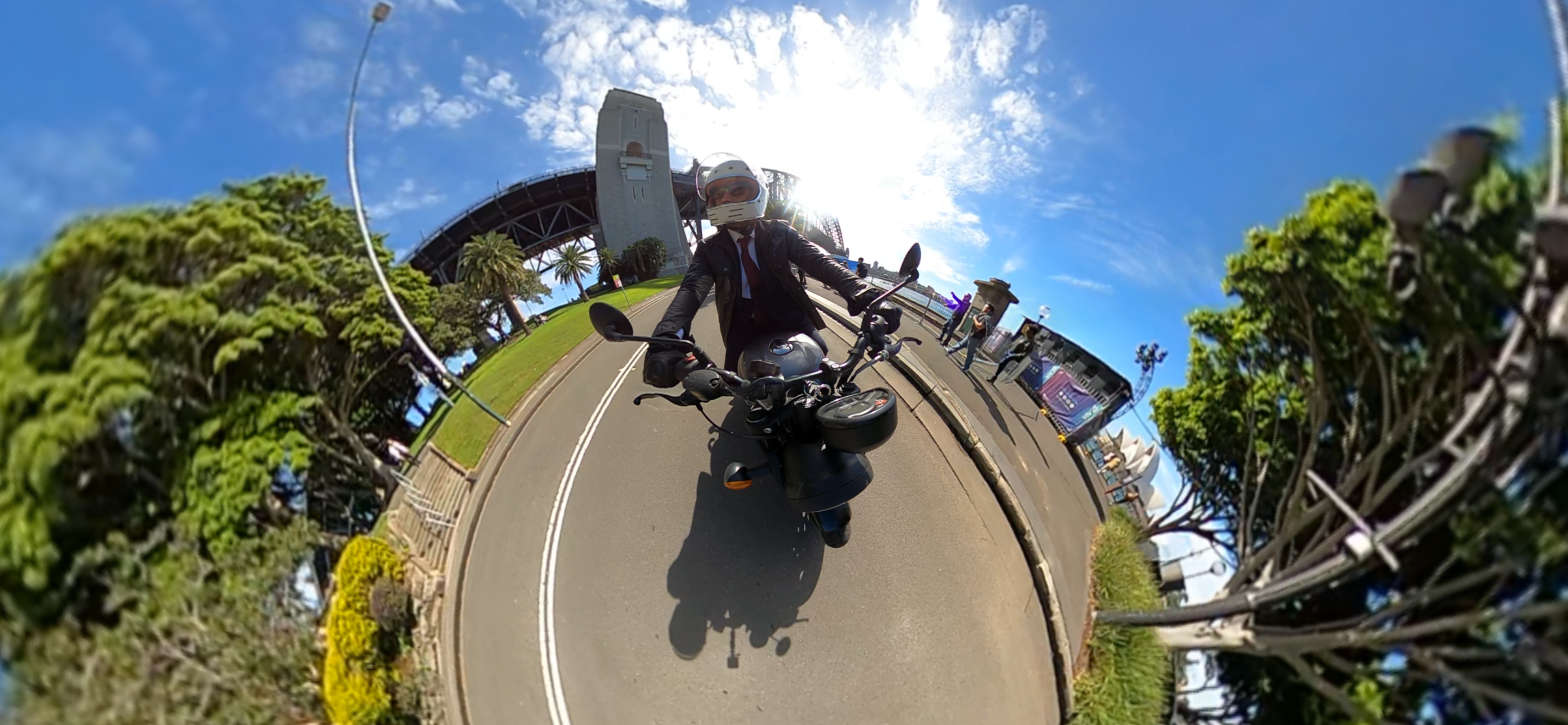
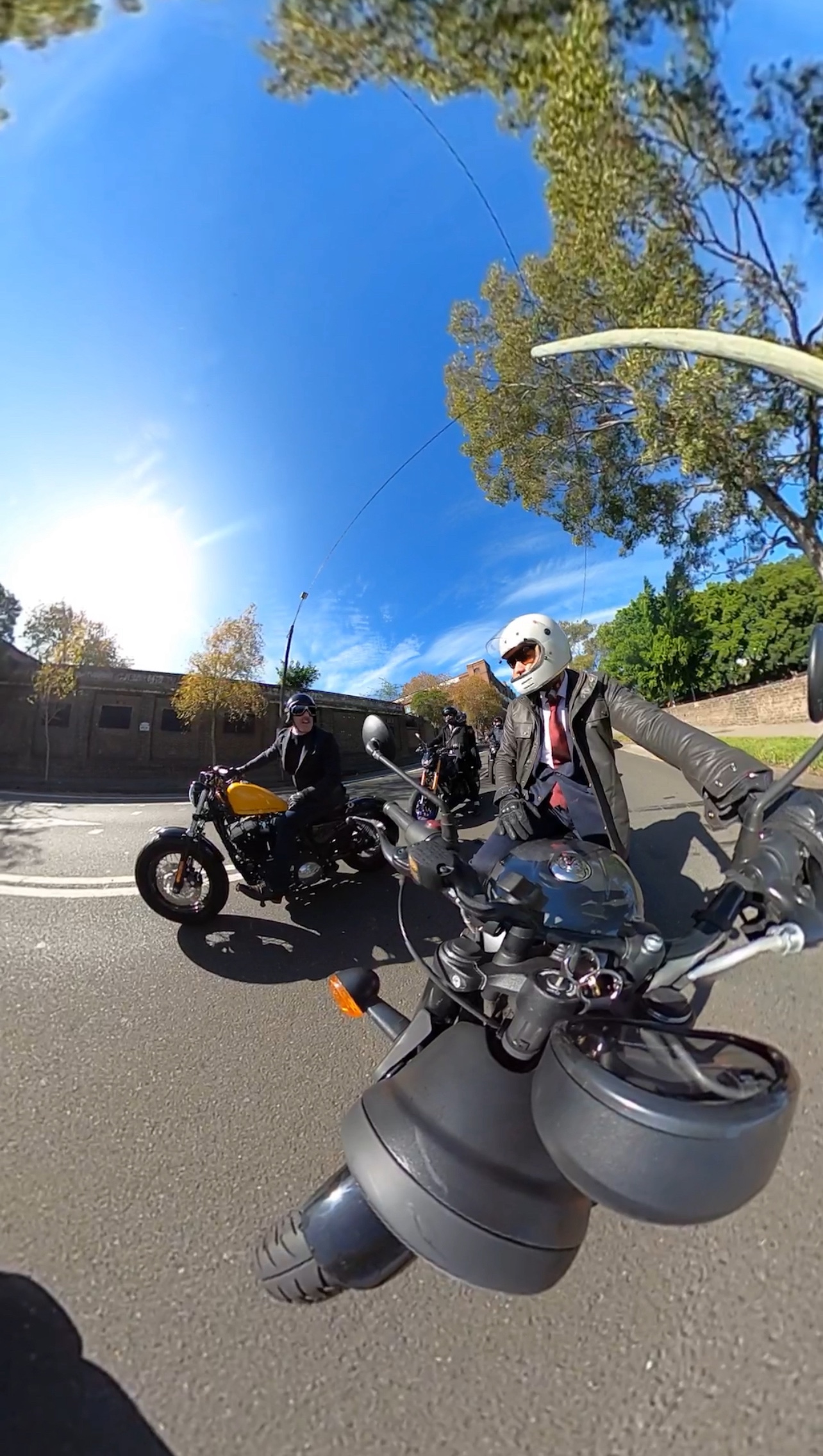
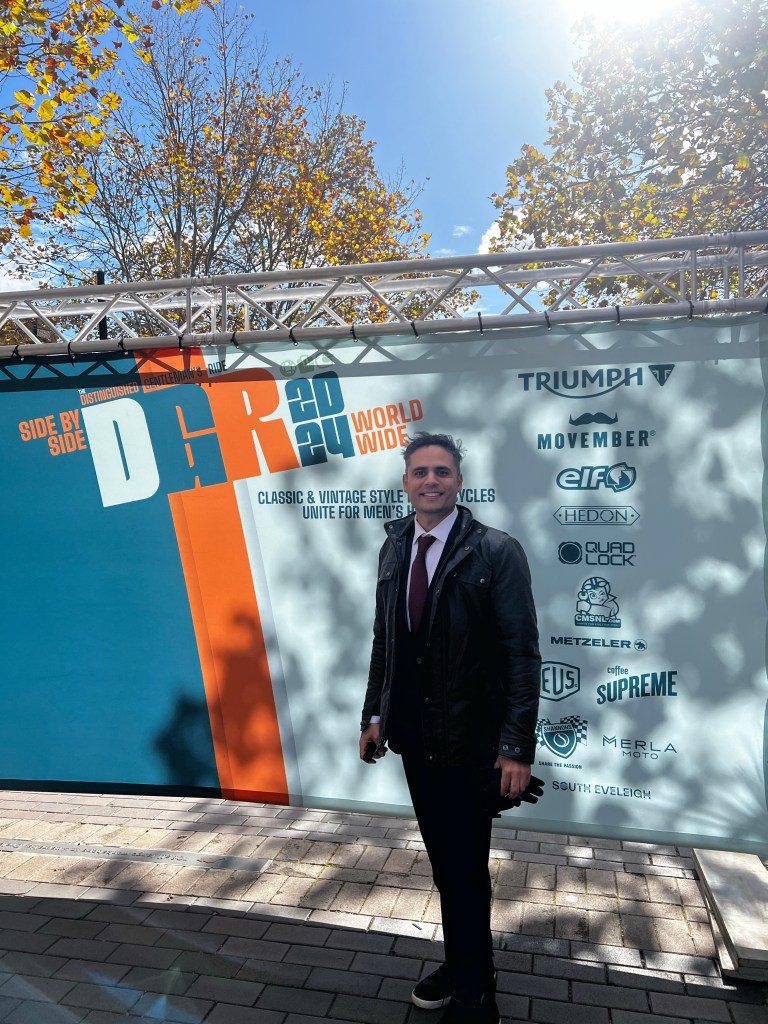
  • On May 19th, I found myself amidst a sea of dapper riders on a crisp Sydney winter day that felt oddly like a Toronto fall. The occasion? The Distinguished Gentleman’s Ride (DGR), an event that brings together motorcycle enthusiasts to ride in style and raise funds for a noble cause. This year, my ride was dedicated to my cousin Ali, who had an unparalleled love for motorcycles. While I wasn’t into motorcycles back then, I often wish I had been. Riding alongside him would have been an unforgettable experience. Every time I rev my bike’s engine, I think of him. Ali is now the shadow who rides beside me, guiding me through every turn and twist of the road.

    First and foremost, a huge shoutout to my amazing friends and family who sponsored this ride: Ahmed Belal, Kunal Gupta, Umai Hani, Ridda Hasnain and Sultan Akif. Your support means the world to me. You can check out my DGR page here: Zain’s DGR Fundraiser.

    The Distinguished Gentleman’s Ride isn’t just about looking good and riding classic bikes; it’s about supporting a cause. The funds raised go towards prostate cancer research and men’s mental health initiatives. It’s heartening to see such a stylish gathering making a real difference in the world.

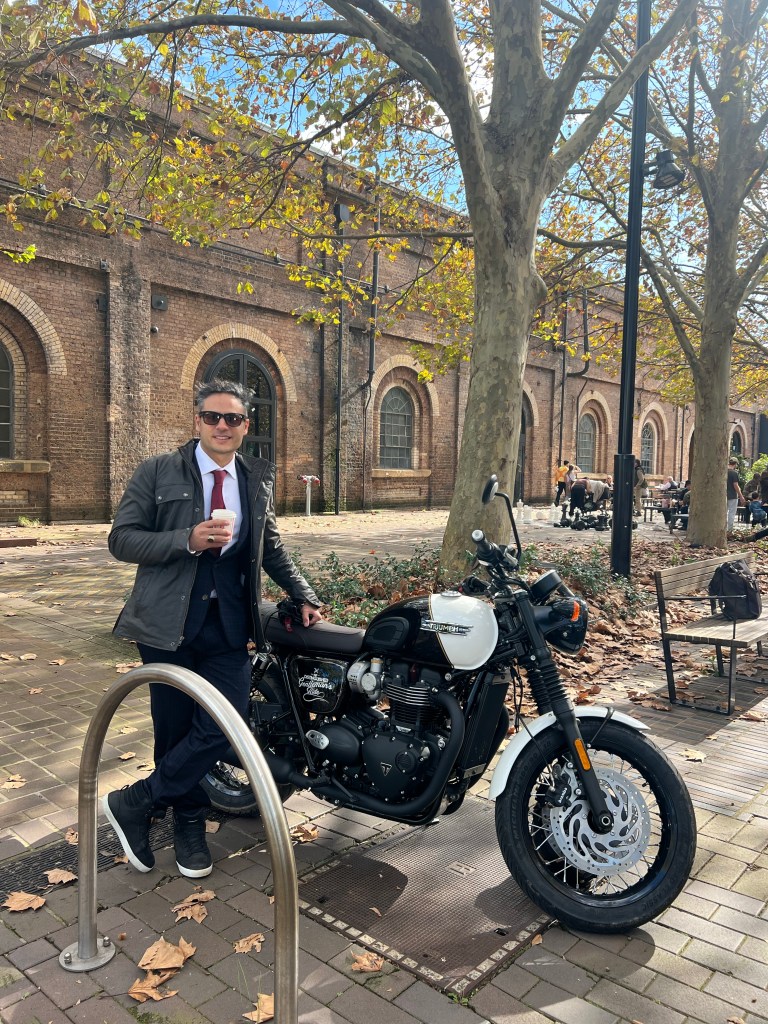
    Now, let’s talk about the ride itself. Picture this: hundreds of riders in tweed suits, leather jackets, and ties, looking like they just stepped out of a vintage film. I pulled out all the stops with a tweed pattern suit, a leather jacket, and a red tie. We rode through some of Sydney’s most iconic neighborhoods: The Rocks, under the Harbour Bridge, around the Opera House, the hills of La Perouse, and even waved at spectators around the Sydney CBD and the Bay Run. The sight of all those vintage and classic motorcycles, coupled with the enthusiastic waves from onlookers, was nothing short of spectacular.

    One of the best parts about riding a motorcycle has been its impact on my mental health. Since moving to Sydney for my job at Canva on June 7th, 2022, riding has been my therapy. It’s been a game changer, helping me adjust to a new city and a new chapter in my life. There’s something incredibly freeing about hitting the open road, feeling the wind against your face, and letting your worries drift away.

    But let’s not forget the humor in all of this. Imagine a bunch of grown men and women, dressed to the nines, riding bikes that look like they belong in a museum. There were moments where I felt like I was part of a quirky period drama. At one point, I overheard someone say, “I didn’t know Sherlock Holmes was a biker!” Another rider, struggling with his handlebar mustache, exclaimed, “This mustache wax is a ride hazard!”

    The Distinguished Gentleman’s Ride was more than just an event; it was a journey through time, memory, and purpose. As we rode through Sydney, I couldn’t help but feel Ali’s presence with me. He would have loved every second of it. So here’s to you, Ali. Every ride is for you, and every ride reminds me of the joy and freedom you found on two wheels.

    If you haven’t experienced the Distinguished Gentleman’s Ride, I highly recommend it. It’s a day of dapper outfits, vintage motorcycles, and most importantly, a day of making a difference. Until next year, ride safe and ride stylish.

  • This past weekend I had the opportunity to ride in the Distinguished Gentleman’s Ride to support Men’s Health. A cause that’s dear to me. I want to thank all the folks that sponsored my ride.

    Here’s are some photo’s from the event:

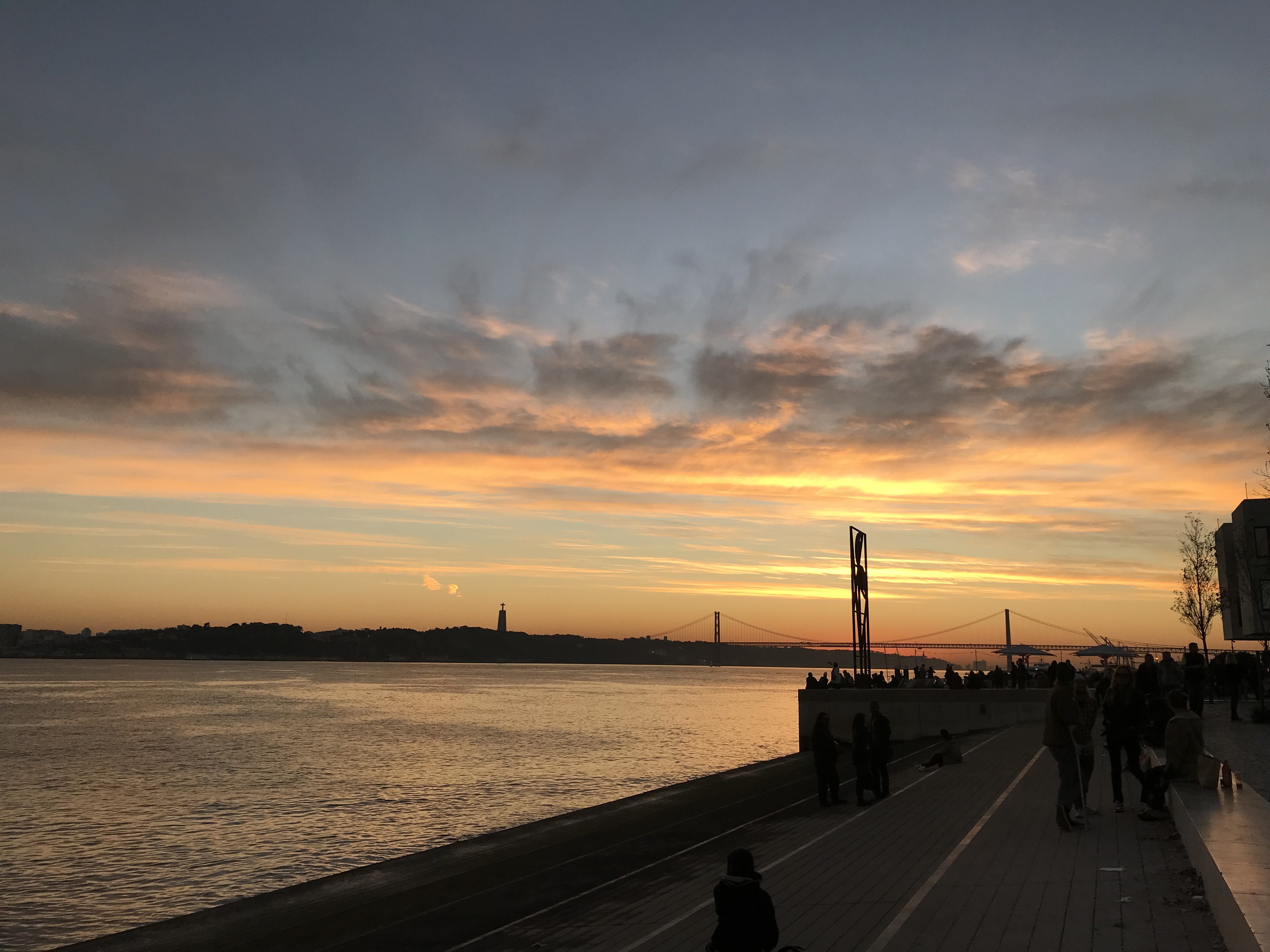
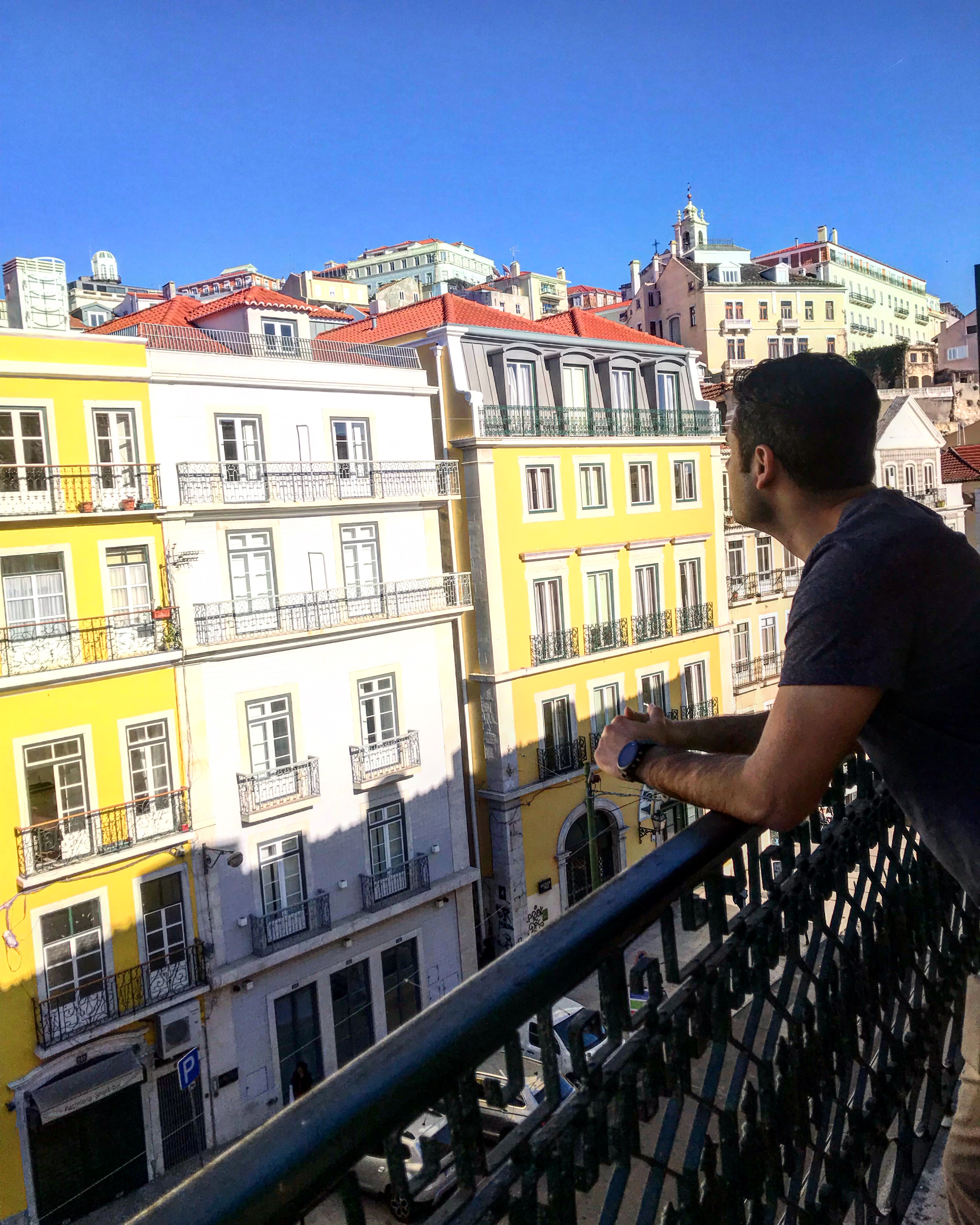
  • Zain Flying a Drone Over Lisbon

    Here’s a video of me flying a drone over Lisbon. I went to Lisbon over December holidays a while back and had a wonderful time. I spent just over a month and started New Year’s there. Here are some more memories from the trip:

  • “It’s more like a lion hunting and less like a marathoner running. You sprint and then you rest. You reassess and then you try again. You end up building a marathon of sprints.”

    Naval Ravikant
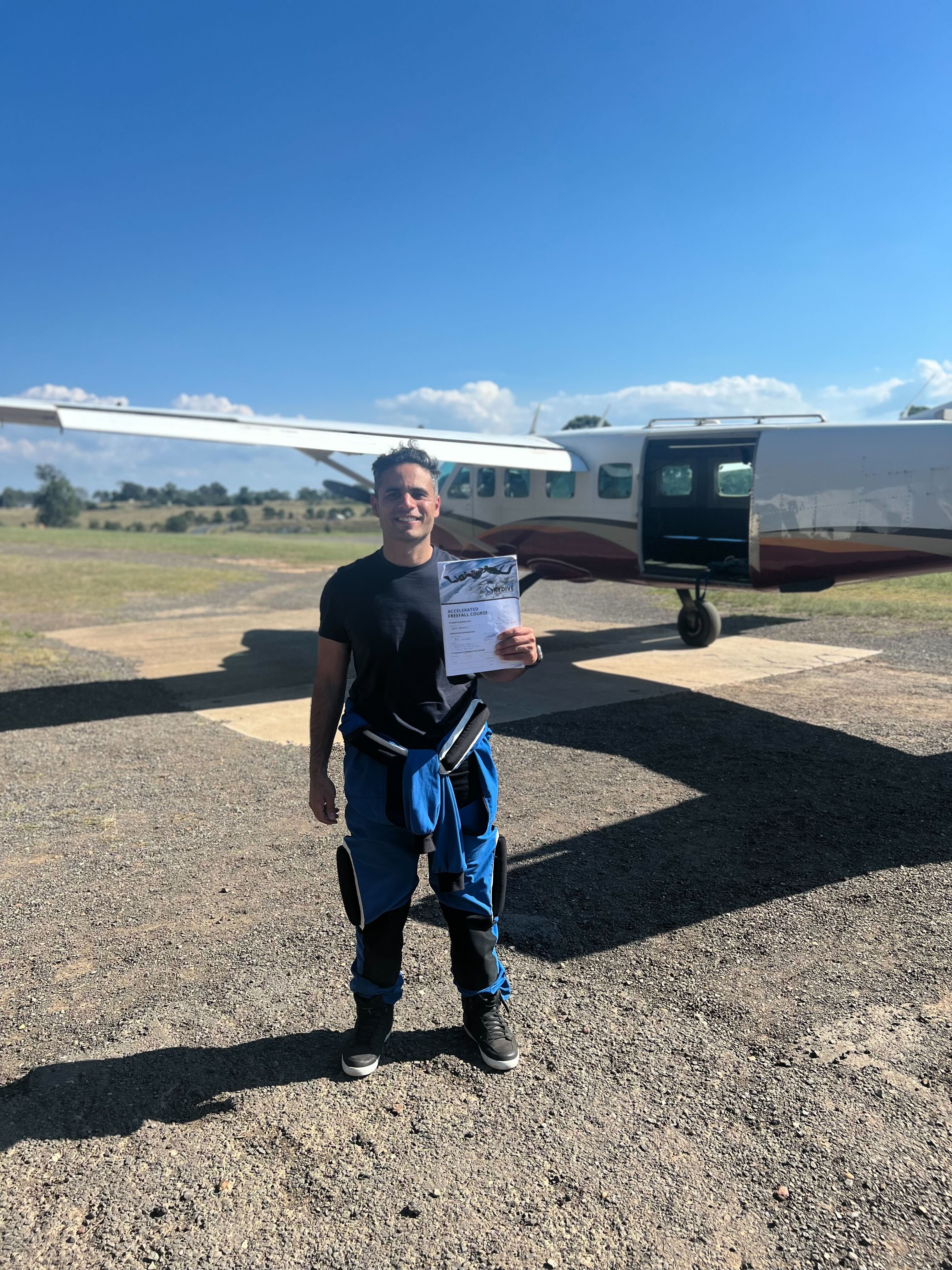
  • They say life begins at the end of your comfort zone. For me, that boundary was 15,000 feet above ground, plummeting towards earth with nothing but a parachute and a prayer. I recently got my skydiving license, completing 17 free-fall jumps in one adrenaline-packed week. Here’s a glimpse into my wild ride, sprinkled with life lessons and the occasional bovine near-miss.

    The Psychological Sigh: My Pre-Jump Ritual

    Before each jump, I embraced the wisdom of Andrew Huberman and performed the psychological sigh. It’s a simple breathing technique that calms the nerves. Inhale through the nose, then a quick second inhale before a slow exhale through the mouth. Picture this: me, sitting in a rickety plane, psych-sighing like a meditative monk, while everyone else is nervously chatting. This little routine kept me grounded—metaphorically, of course.

    Staying Calm and Relaxed: The Arch Nemesis

    Skydiving is like life: maintaining your cool is crucial. In the sky, it’s all about keeping your body in an arch position as you exit the plane. Lose the arch, and you might find yourself tumbling like a rogue tumbleweed, leading to a high-speed parachute malfunction. Panic in the air is a big no-no. Staying relaxed is key to a safe deployment and landing. It’s a lot like navigating through a tough work week—stay calm, stay focused, and try not to crash.

    Visualizing Success: The Skydiver’s Secret

    Each stage of the Accelerated Free Fall (AFF) course demands precision. Whether it’s performing 360 turns, docking, backflips, tracking, or stable deployments, visualization is essential. During the plane ride up, I visualized my jump from start to finish. The jumps I didn’t visualize? Let’s just say I had some close calls, including one hair-raising incident where my parachute lines almost got tangled around my feet. Visualizing each jump saved me from potentially dangerous outcomes. It’s a lesson I’m taking back to my day-to-day life: see it, believe it, achieve it.

    Embracing Fear: One Jump at a Time

    They say you should do one thing every day that scares you. Heights are universally terrifying, but facing that fear head-on brought unparalleled growth. Each successful jump and safe landing filled me with a sense of bliss that’s hard to describe. As Will Smith eloquently put it, “God placed the best things in life on the other side of fear.” I lived that truth with every leap.

    Near Misses: Cow-tastrophes

    Speaking of landings, let’s talk about my near-bovine experience. On one of my descents, I almost landed on top of a cow. Yes, you read that right—a cow. Imagine a majestic skydive ending in an ungraceful collision with Bessie. Thankfully, I managed to steer clear at the last moment. It’s a reminder that even when you’re soaring high, you need to keep an eye out for unexpected obstacles.

    The Skydiving Community: Finding My Tribe

    Throughout this journey, I was supported by an incredible community of instructors and fellow divers. Their competence and encouragement were awe-inspiring. I saw people of all genders, ethnicities, and ages at the drop zone, each one defying gravity and stereotypes. This camaraderie fueled my determination to complete the stages.

    What’s Next?

    Now that I’ve got my AFF license, I’m excited to dive deeper into the skydiving world. Next up: B-Rels (B-Certificate Course relative work jumps). This will teach me how to skydive safely with others and how to pack my own parachute. Plus, I’m eager to build lifelong friendships with the amazing people I’ve met along the way. I think I’ve found my tribe, my people, my fellow sky-enthusiasts.

    Final Thoughts

    Skydiving has been one of the most exhilarating experiences of my life. It’s taught me to take risks, embrace fear, and stay calm under pressure. Whether you’re free-falling from the sky or navigating the ups and downs of life, sometimes you just have to take the jump. The view from the other side is spectacular.

    So, here’s to more leaps of faith, both in the sky and on the ground. Just remember to watch out for cows.

  • “If you want to be rewarded, you have to be irreplaceable. If you want to be irreplaceable, you have to be unique. If you want to be unique, you have to be authentic. If you want to be authentic, stop listening to everyone and everything else. It’s drowning “you” out.” @naval

  • A human being should be able to change a diaper, plan an invasion, butcher a hog, conn a ship, design a building, write a sonnet, balance accounts, build a wall, set a bone, comfort the dying, take orders, give orders, cooperate, act alone, solve equations, analyze a new problem, pitch manure, program a computer, cook a tasty meal, fight efficiently, die gallantly. Specialization is for insects.

    ― Lazarus Long — Time Enough for Love (Robert Heinlein)

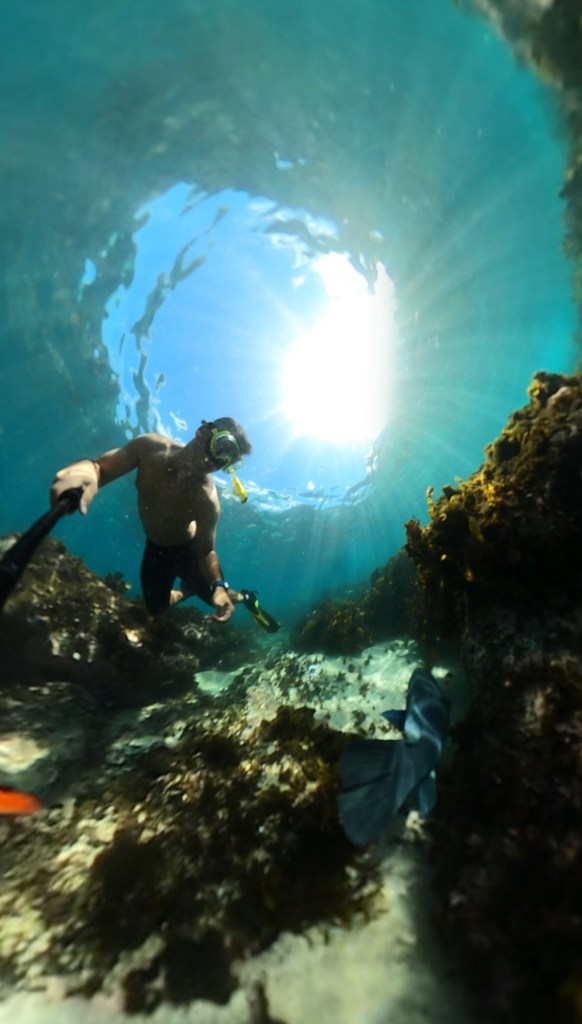
  • Camp Cove Dive

Zain Abiddin

Life Enthusiast - Musings on Life & Work

Skip to content ↓