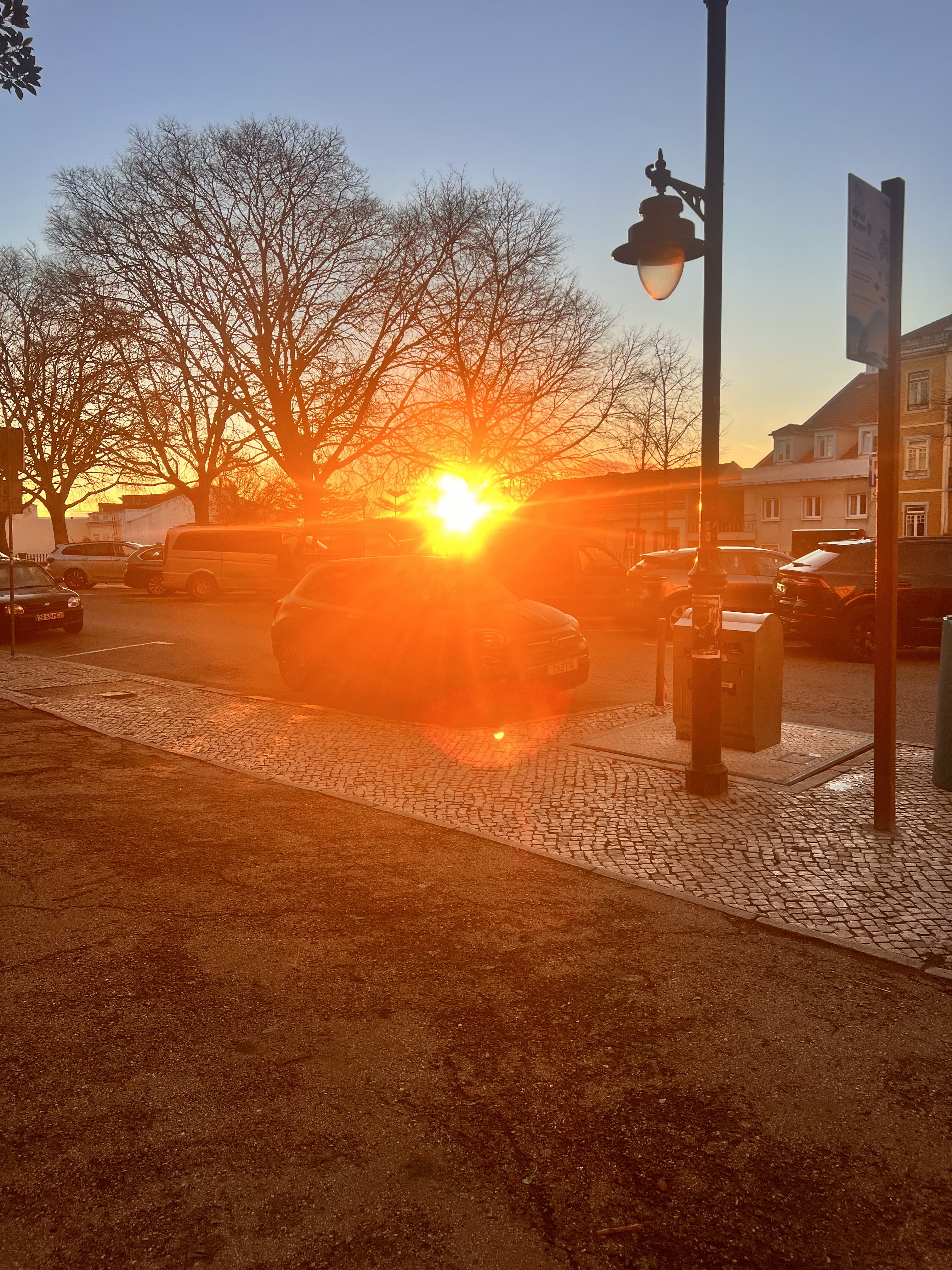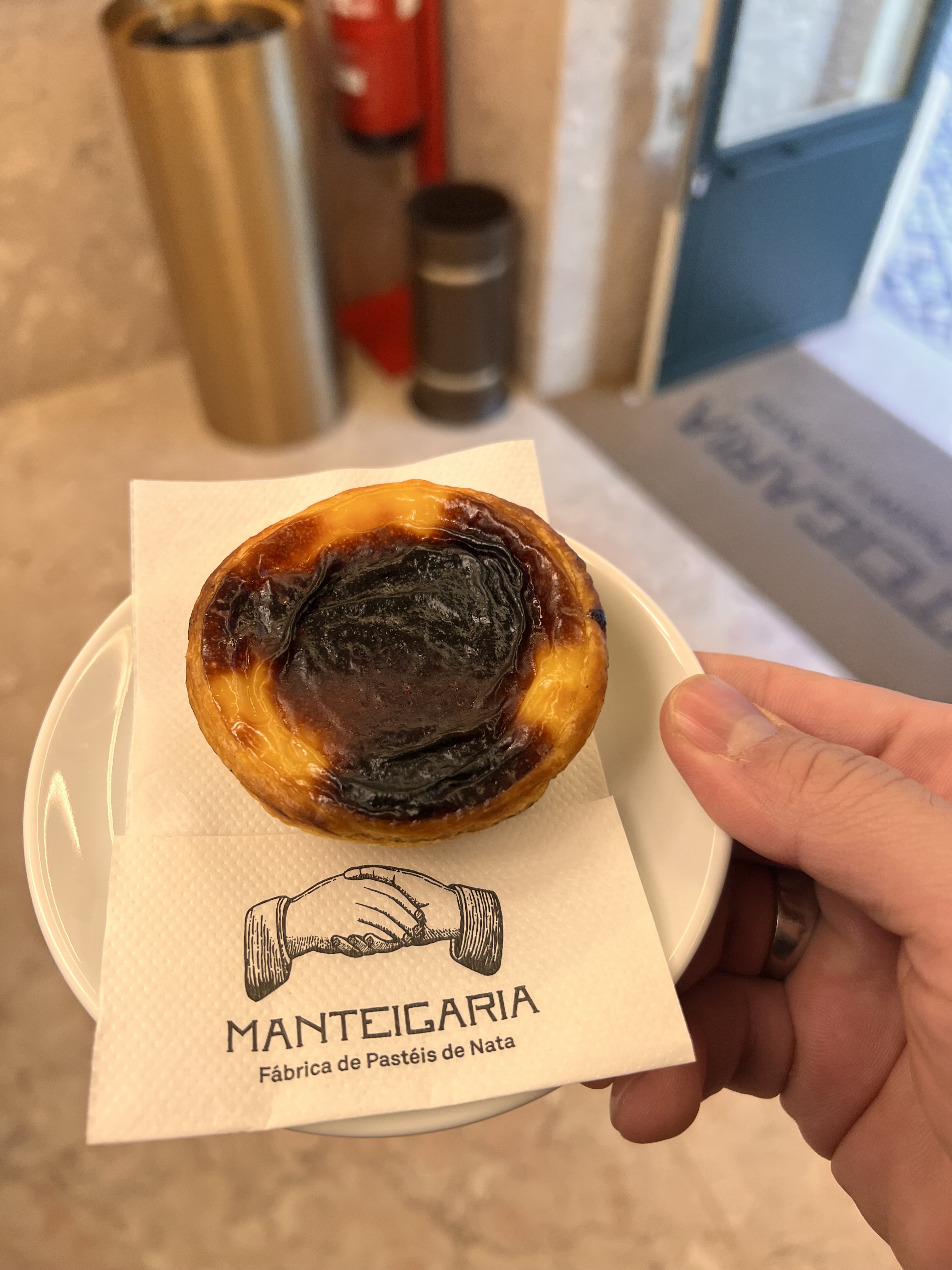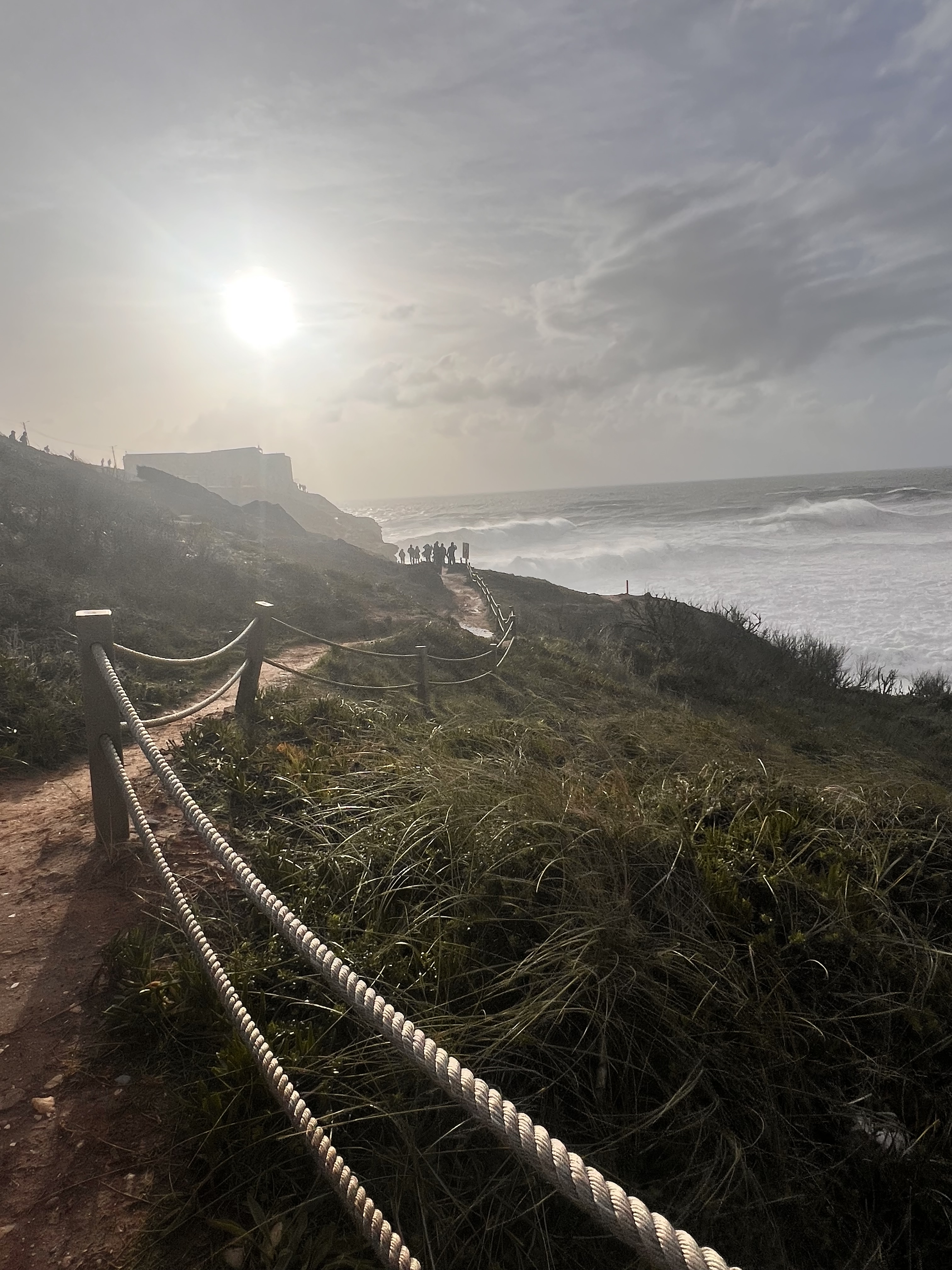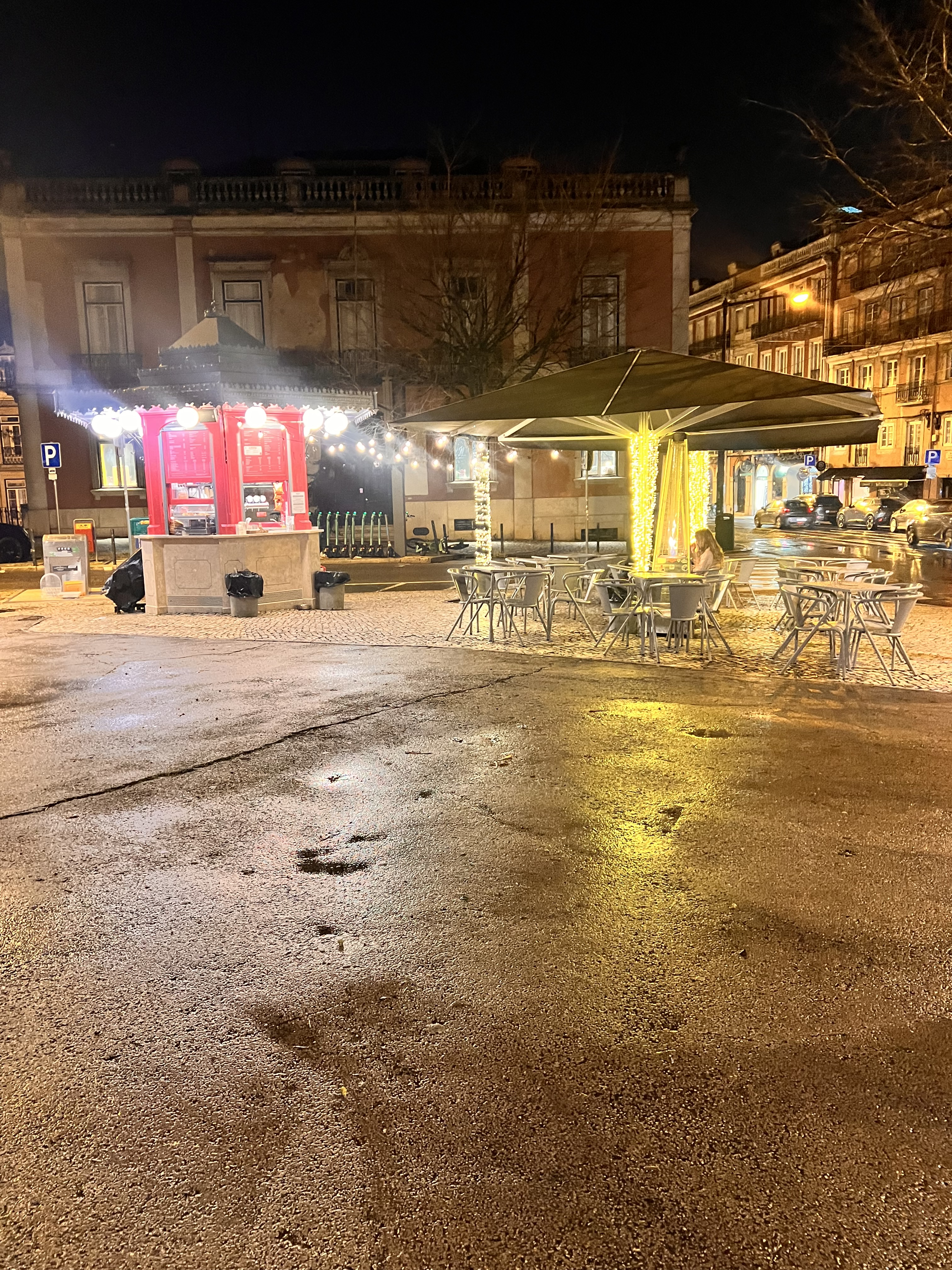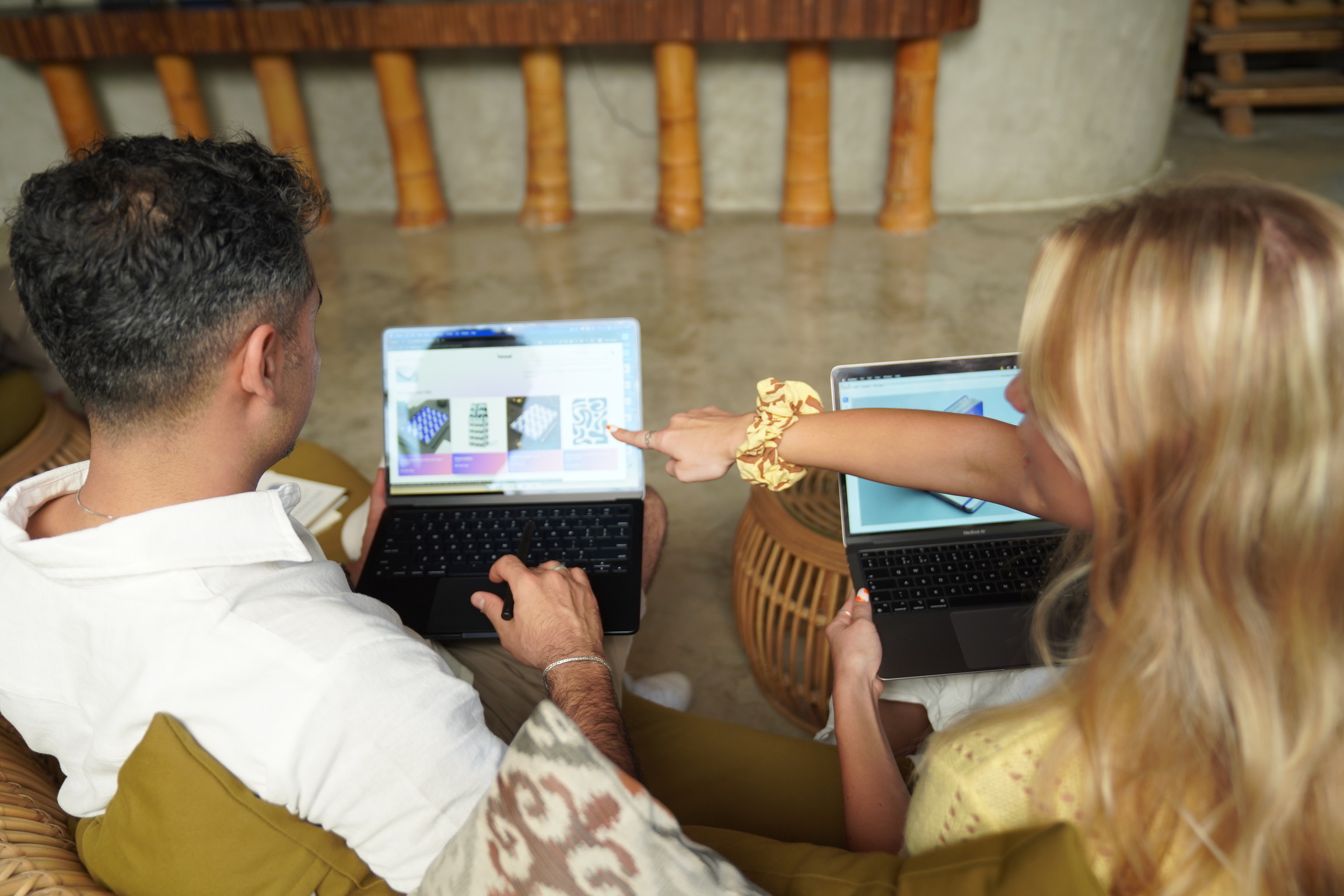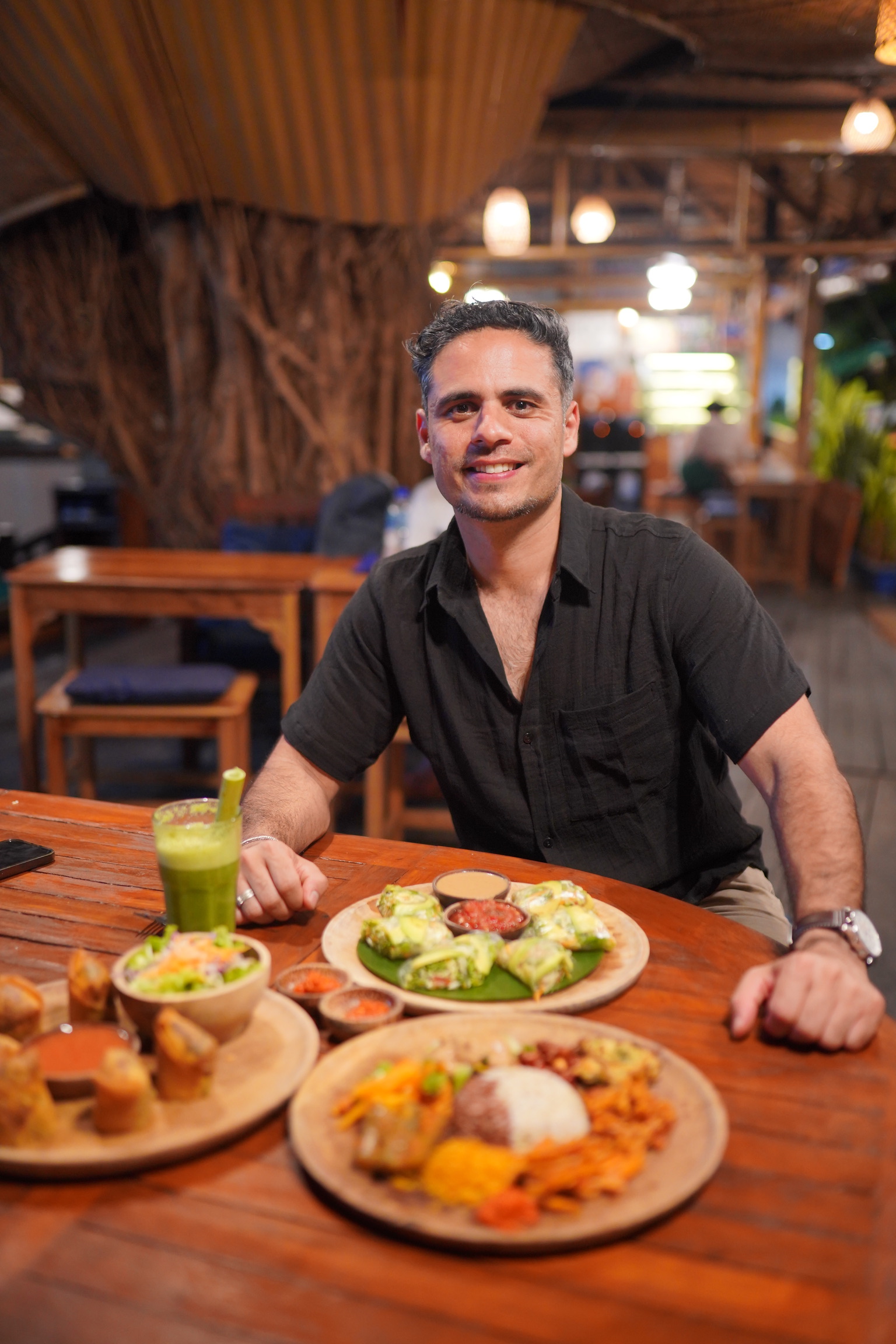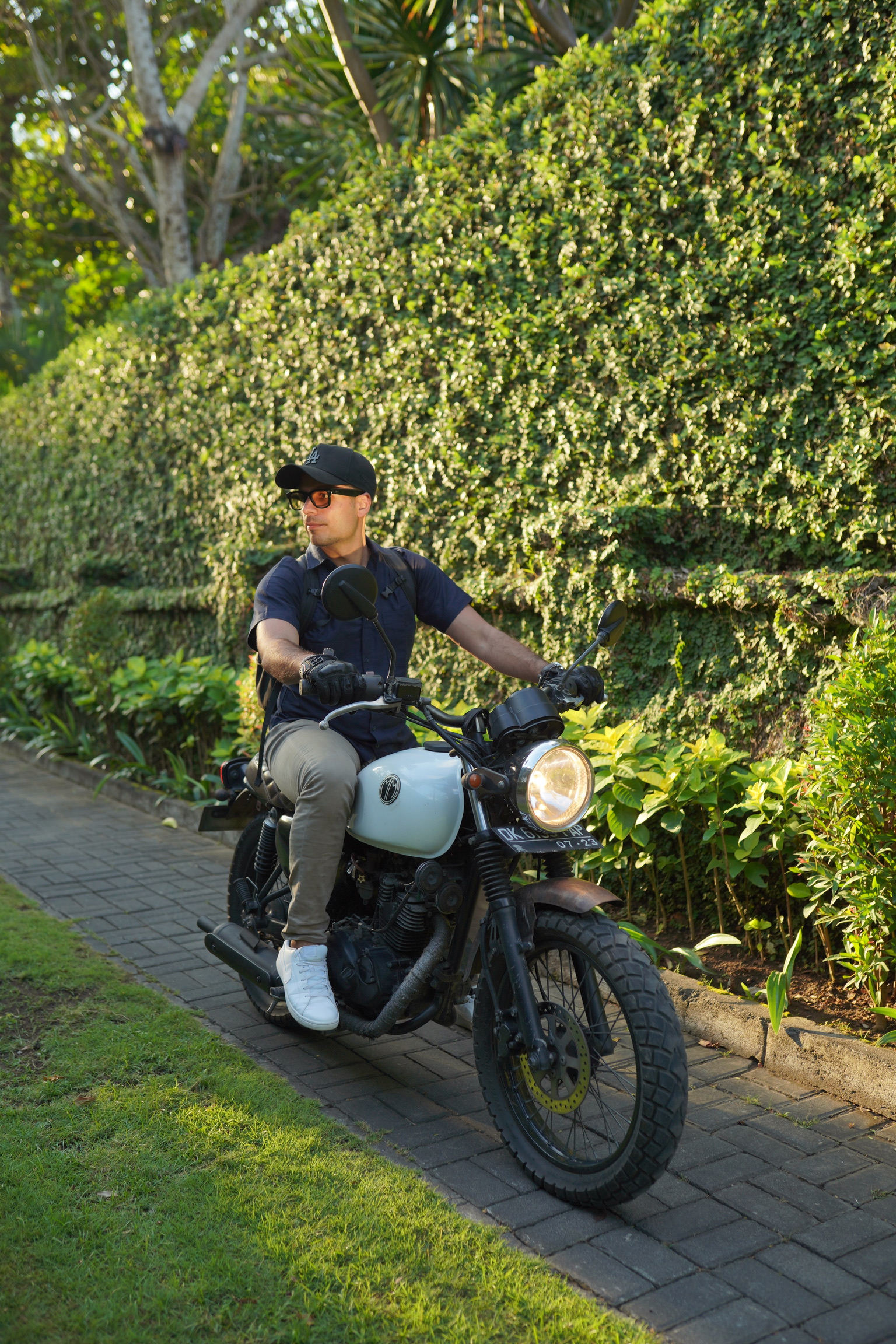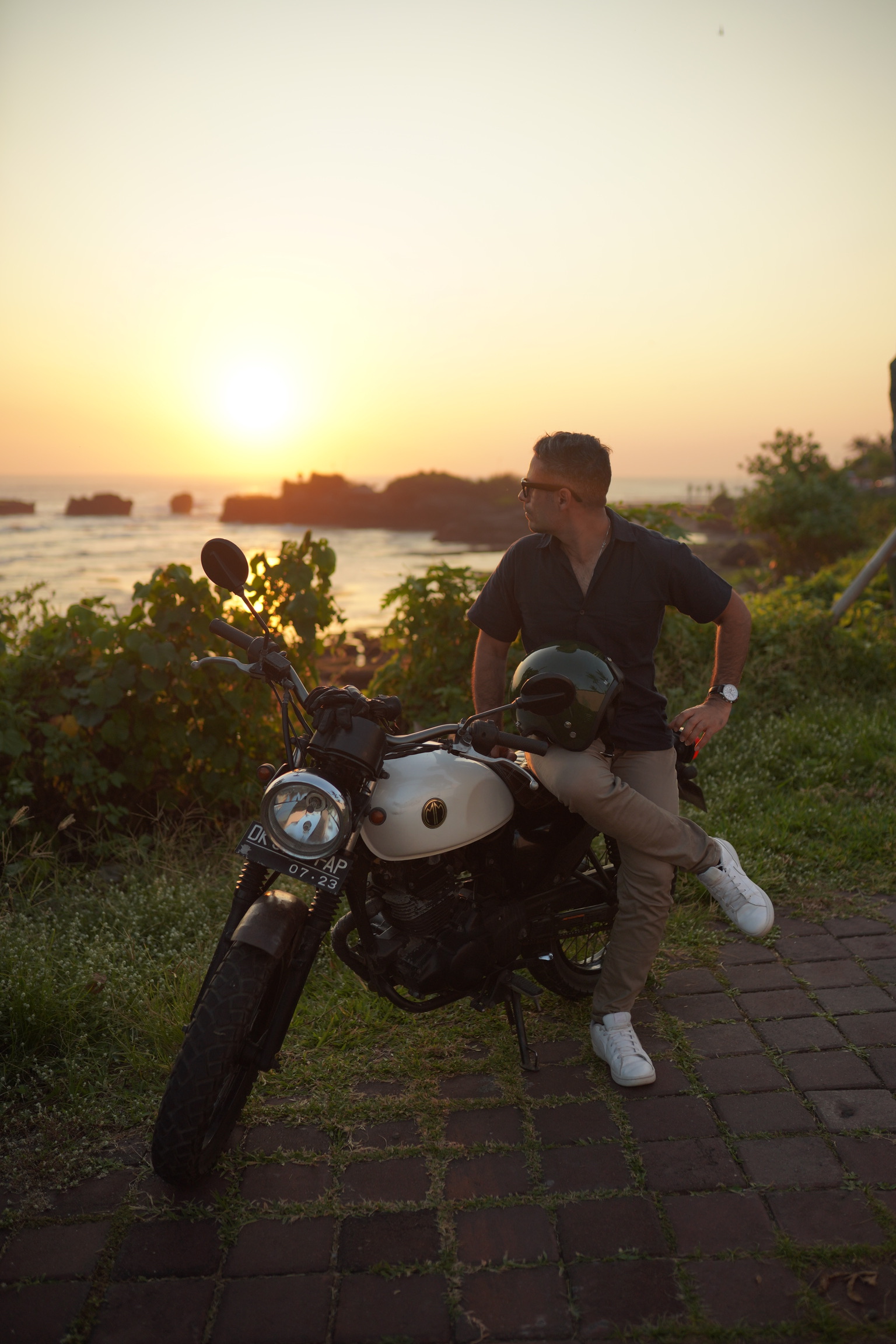
• Why Lisbon Feels Like a Reset Button

    Why Lisbon Feels Like a Reset Button

    There are cities you visit.
    And then there are cities that quietly realign you.

    Lisbon has become that place for me.

    I’ve noticed a pattern over time. Whenever I need better energy, clearer thinking, and a calmer rhythm to my days, I end up back here. Not by force, by pull.

    A city that gives you perspective

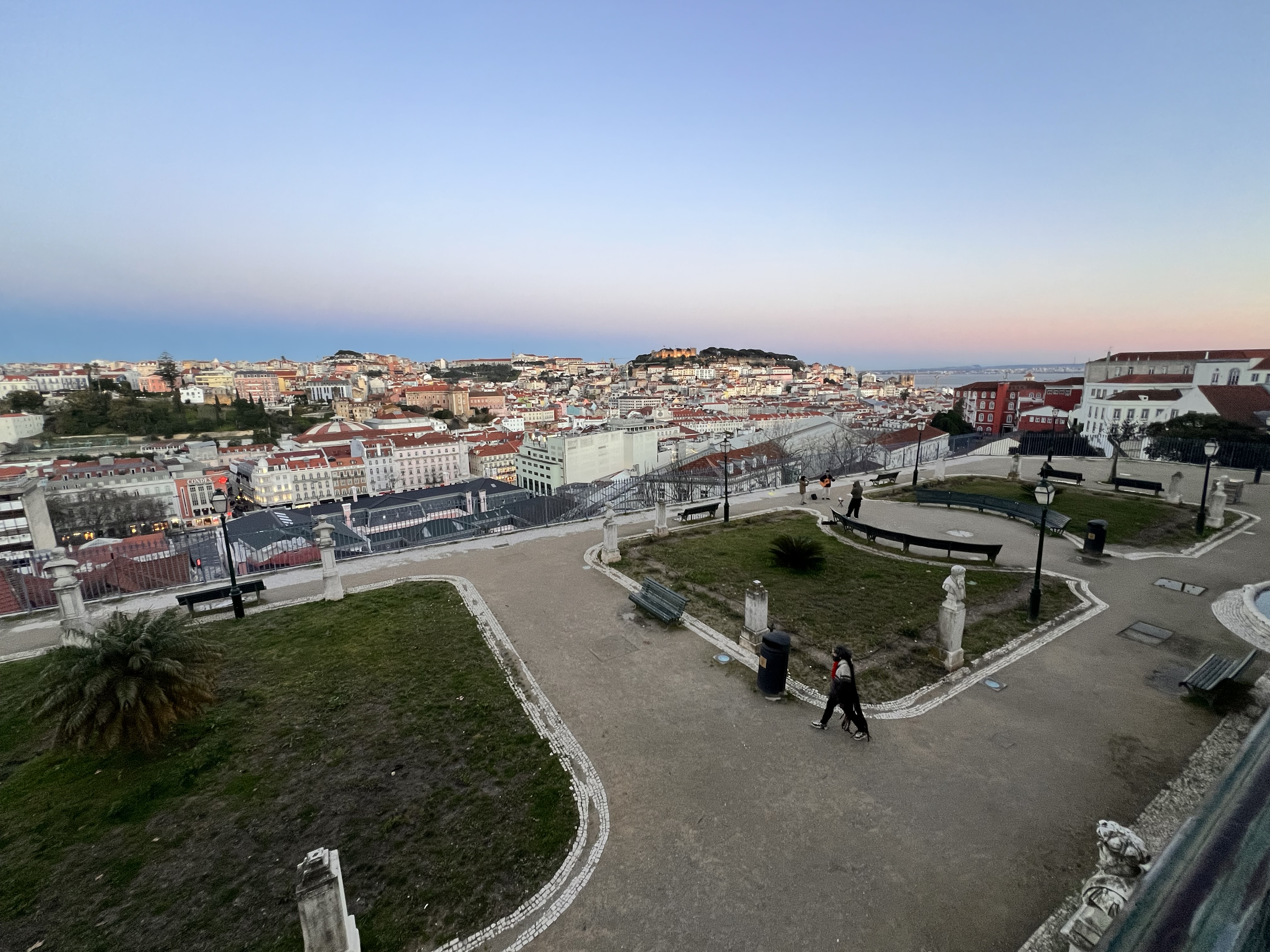
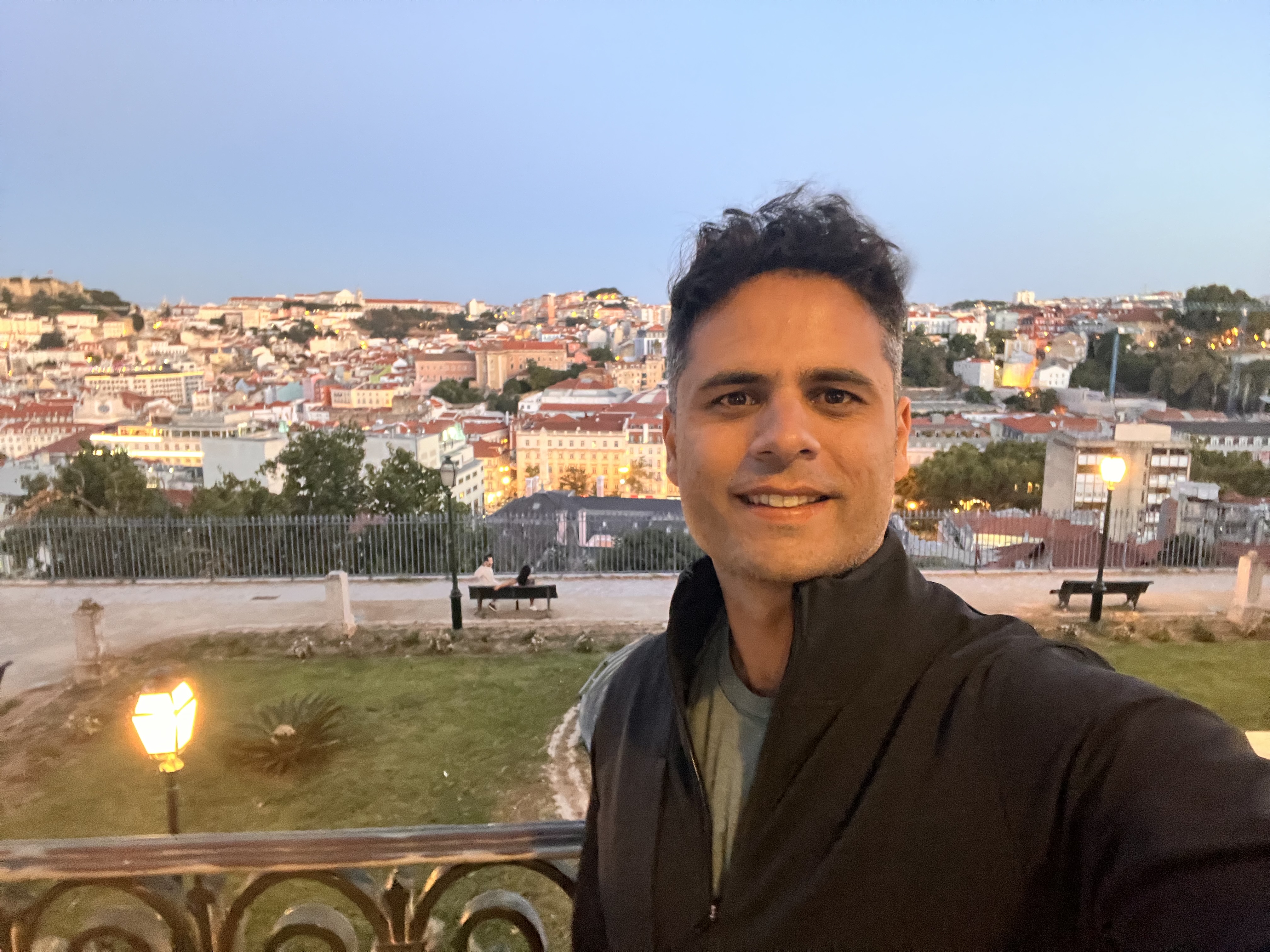
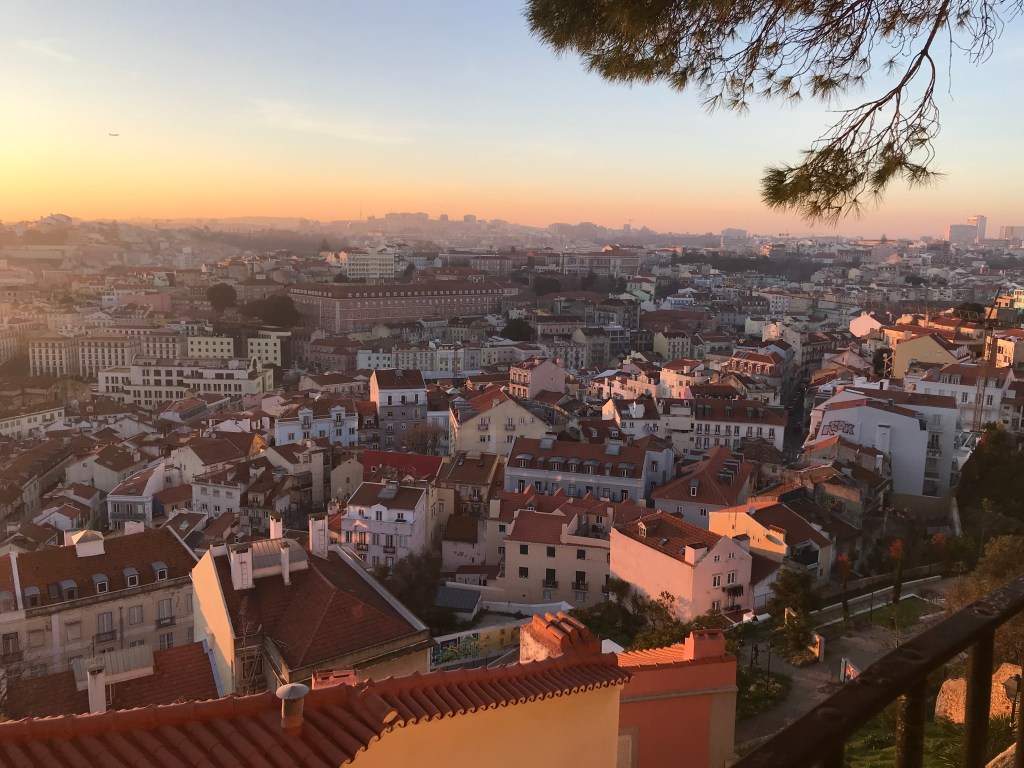
    Lisbon doesn’t hide its beauty. Viewpoints are everywhere. You walk uphill for a few minutes and suddenly the city opens up. Rooftops, water, light stretching out in front of you.

    Seeing far into the distance does something subtle. It pulls you out of your head. It widens your frame. Problems shrink. Thoughts slow down. You remember there’s more than what’s immediately in front of you.

    That alone shifts your energy.

    The charm lives in the hills

    Lisbon isn’t flat or efficient, and that’s the point.

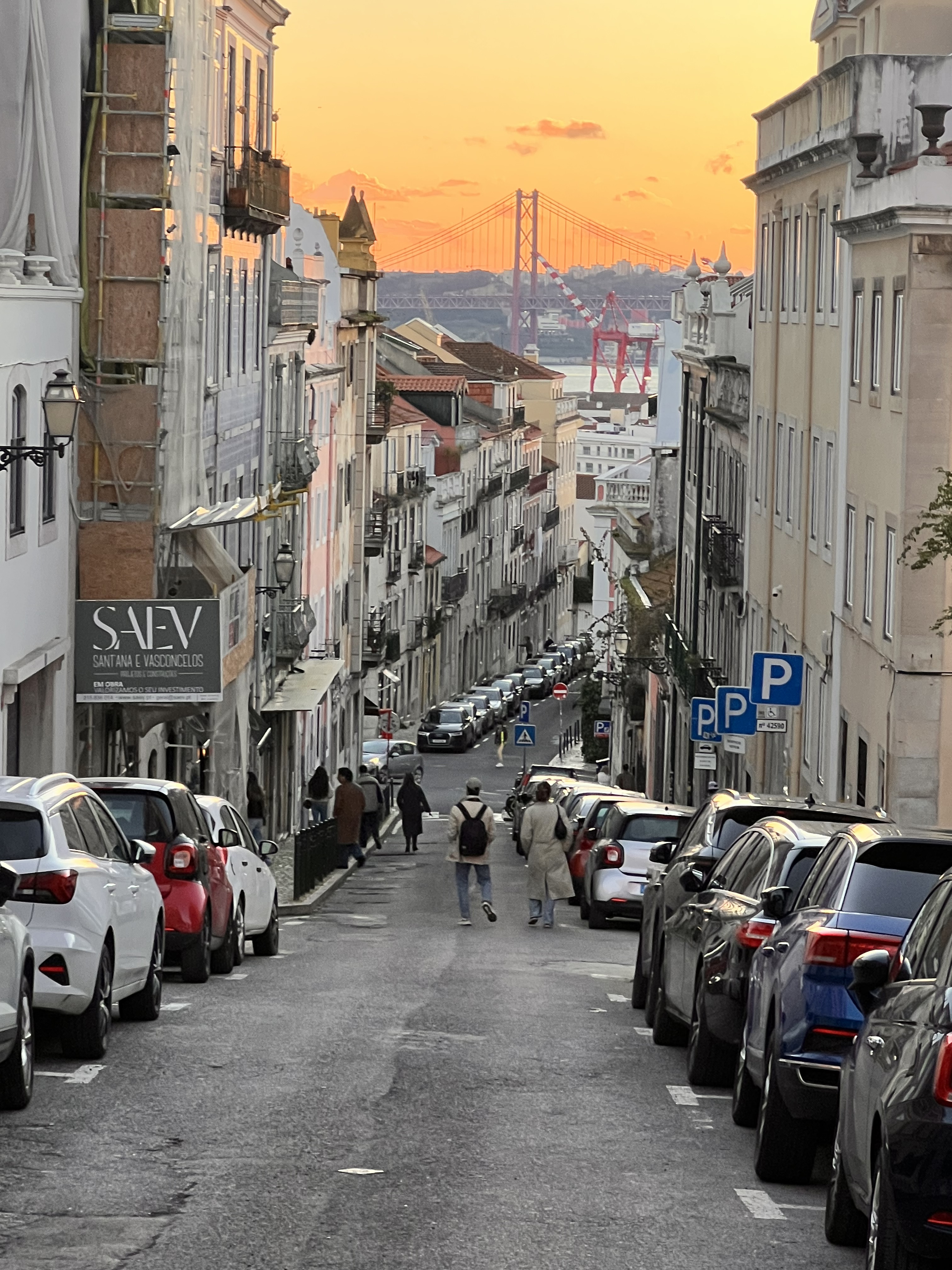
    The hills introduce friction. They slow you down just enough to notice things. The sound of trams. Conversations drifting out of windows. Cafés tucked into impossible corners. The city rewards presence, not speed.

    You don’t rush Lisbon.
    You move with it.

    A city that makes work feel natural

    Lisbon is quietly one of the best cities I’ve experienced for getting real work done.

    There are countless places where opening your laptop feels normal, not performative. Sunlight. Calm energy. People building things without trying to impress anyone. No rush. No pressure. No noise masquerading as ambition.

    You sit down. You focus. You leave lighter than you arrived.

    That’s rare.

    A community that feels aligned

    Lisbon attracts a certain type of person.

    Expats, founders, creatives. People who’ve already optimized once and decided that wasn’t the game anymore. Conversations here tend to be thoughtful and grounded. Less ego, more curiosity. Less posturing, more substance.

    It’s easy to meet people who are building meaningful things while still enjoying their lives.

    That balance shows up in the energy.

    Good energy, year round

    Some cities shine only in certain seasons.
    Lisbon doesn’t.

    The light stays generous. The pace stays humane. Even in quieter months, the city feels alive without being overwhelming. Your nervous system gets a break here, and you don’t realize how much you needed that until it happens.

    Your baseline just improves.

    The coast is always within reach

    When you want space, it’s right there.

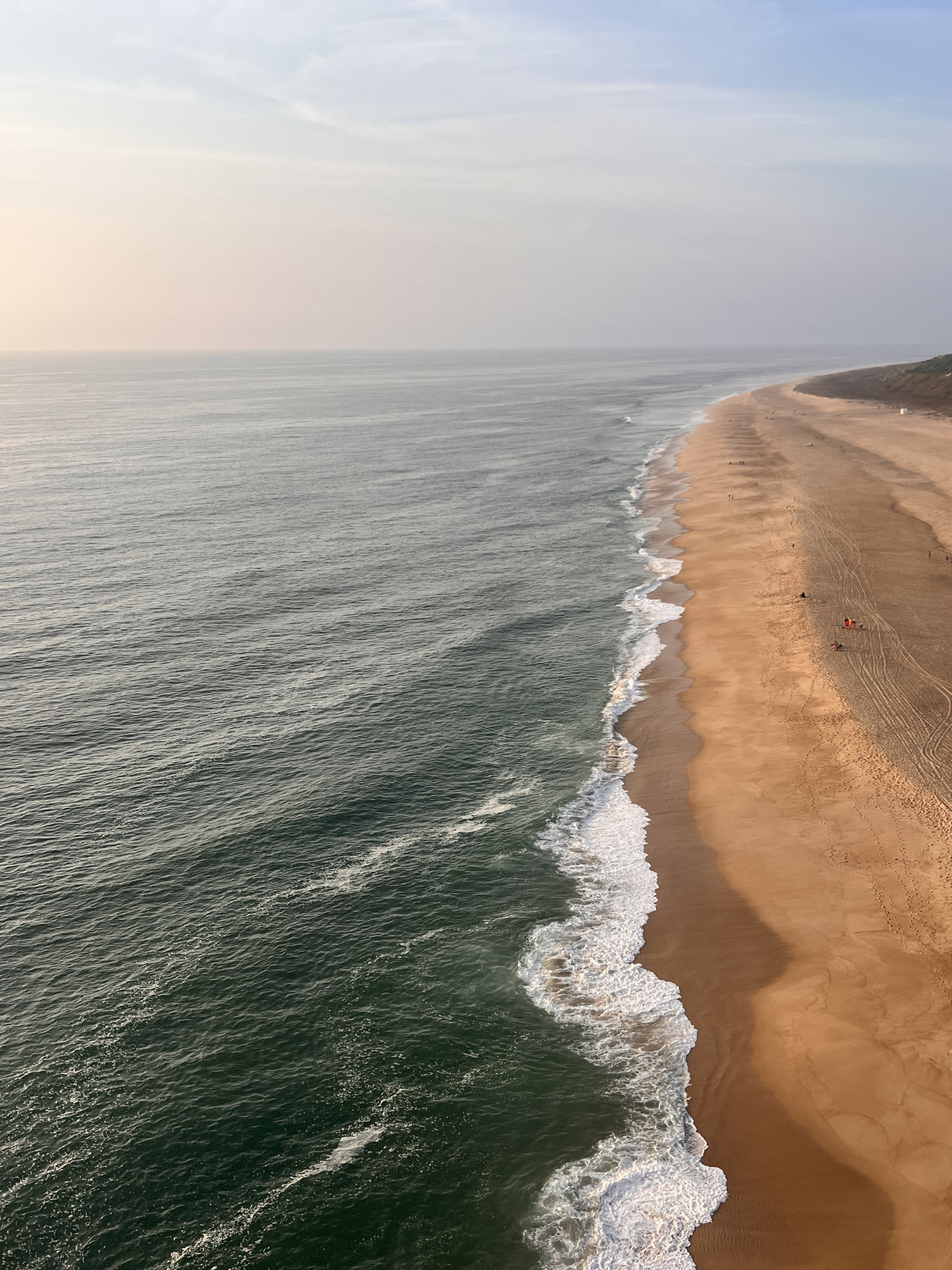
    In under an hour, you can be by the ocean, cliffs, or small coastal towns that feel untouched. You can work in the morning, disappear to the sea in the afternoon, and be back by night.

    That optionality changes how trapped, or free, you feel in your day to day life.

    The right way to start a year

    Starting the year in Lisbon has been grounding in the best way.

    Not loud. Not forced. Just steady, warm, and clarifying. It’s a place that supports reflection without heaviness, ambition without anxiety, and momentum without burnout.

    Lisbon doesn’t demand anything from you.
    It simply gives you the right conditions.

    And that’s why I keep coming back.
  • New York, in December

    There are cities you visit.
    And then there’s New York, a city you feel.

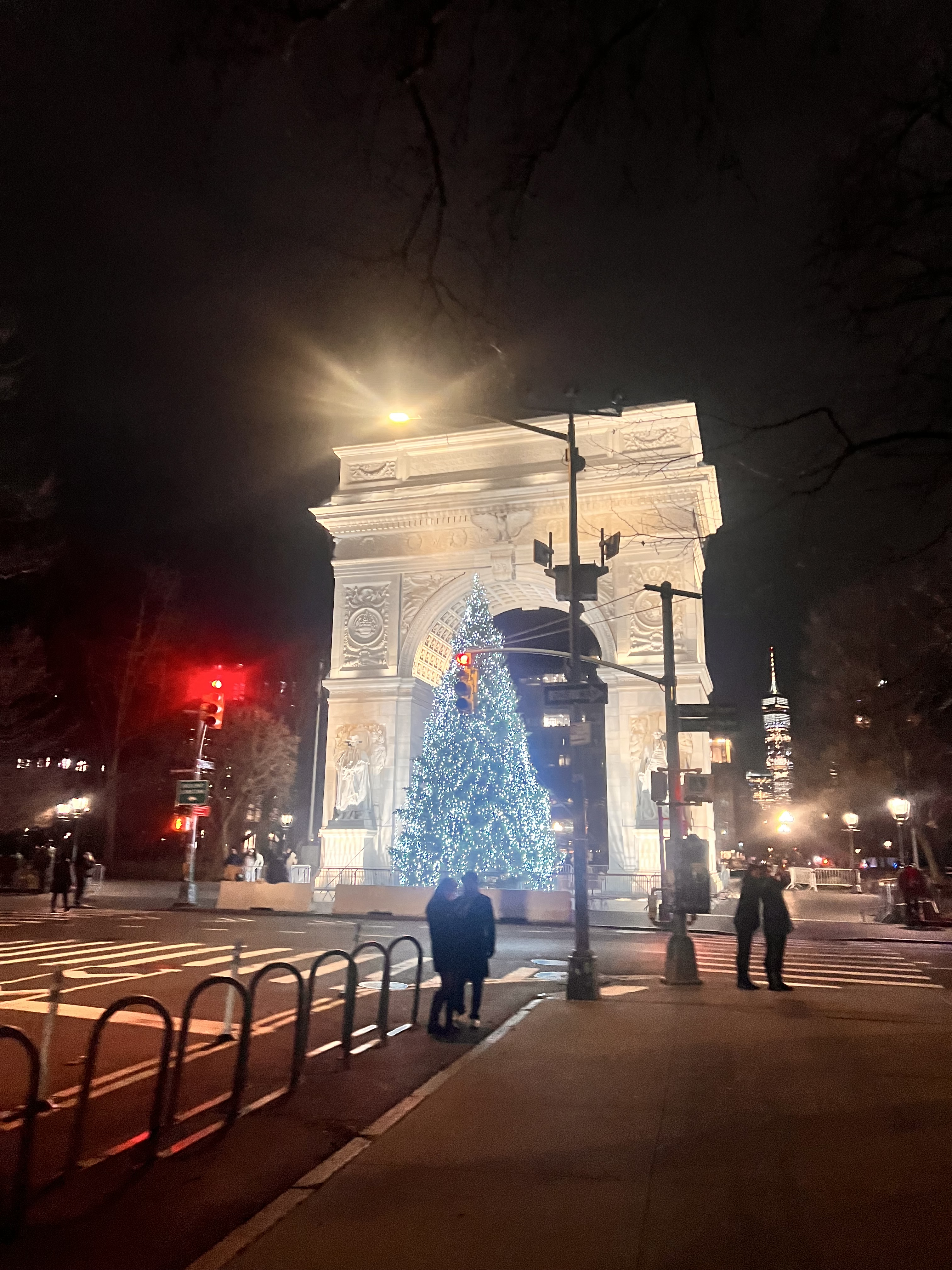
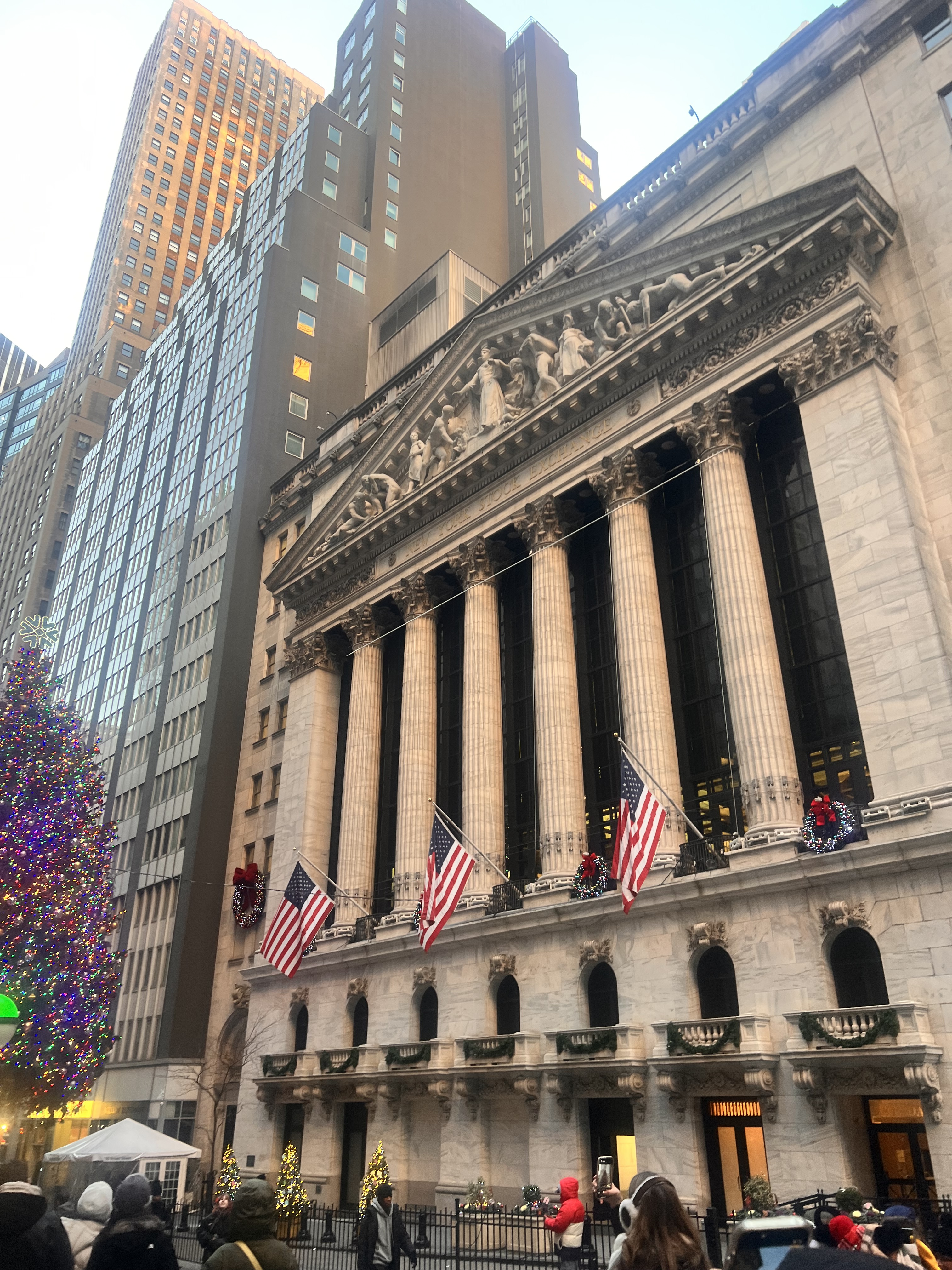
    Spending the holidays in NYC is less about relaxation and more about surrender. You don’t ease into it; you get pulled in. The noise, the lights, the pace, the people brushing past you like they’re late for something important (because they probably are). It’s chaotic. It’s overwhelming. And somehow, it’s grounding.

    December in New York doesn’t pretend to be calm. It leans all the way into itself.

    The glamour everyone knows (and you still fall for)

    Yes, that Rockefeller Center.

    The tree is brighter than it needs to be. The ice rink feels like a movie set. Tourists are everywhere, phones up, smiles wide, freezing hands they don’t care about. It’s commercial, overdone, almost cliché.

    And still, it works.

    You stand there anyway. You look up anyway. You let yourself feel like a kid again anyway.

    Because some things are iconic for a reason.

    Central Park in winter feels like the city taking a breath. Snow softens the edges. Runners move quietly. Couples walk slower. For a moment, the city feels human-sized. You remember that underneath all the ambition and steel, there’s still space to think.

    Midnight energy and the ball drop madness

    New Year’s Eve in New York isn’t about comfort. It’s about commitment.

    People line up for hours. The cold doesn’t negotiate. The crowds don’t apologize. The ball drop is absurd when you think about it, a glowing object sliding down a pole while millions count backwards in unison.

    And yet, there’s something powerful about it.

    Everyone is there for the same reason: a clean slate. A collective pause. A moment where hope feels public instead of private.

    You’re surrounded by strangers, but you don’t feel alone.

    The bridges, the walks, the in-between moments

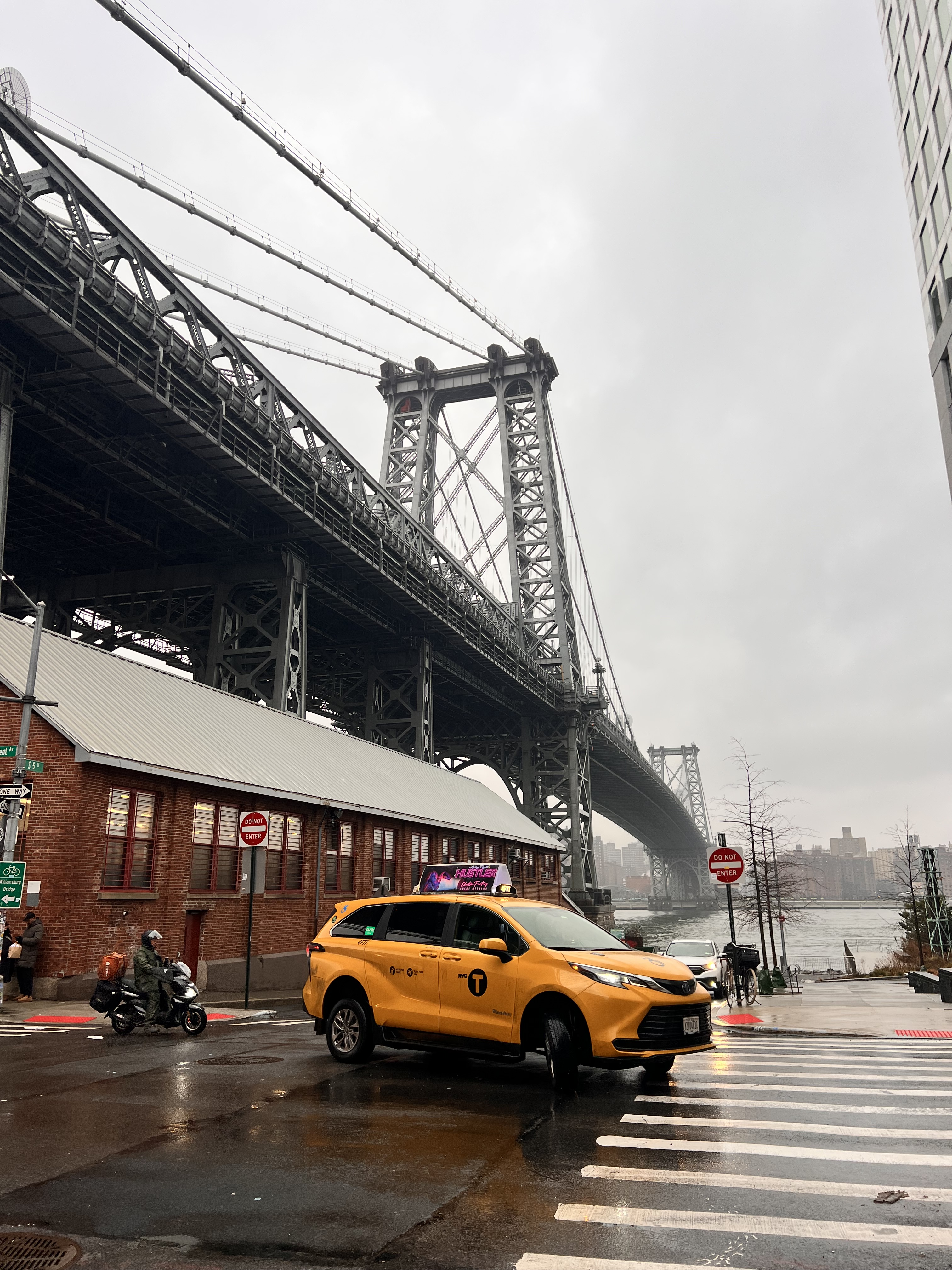
    Walking across the bridges at night hits differently in the winter.

    The skyline feels sharper. The lights feel closer. The cold keeps you present. You think about how many people came here chasing something, ambition, freedom, reinvention, and how the city absorbed all of it without slowing down.

    New York doesn’t care who you were before you arrived.
    It only cares what you’re willing to become next.

    Food, chaos, and comfort at the same time

    The food in New York during the holidays is pure emotional whiplash.

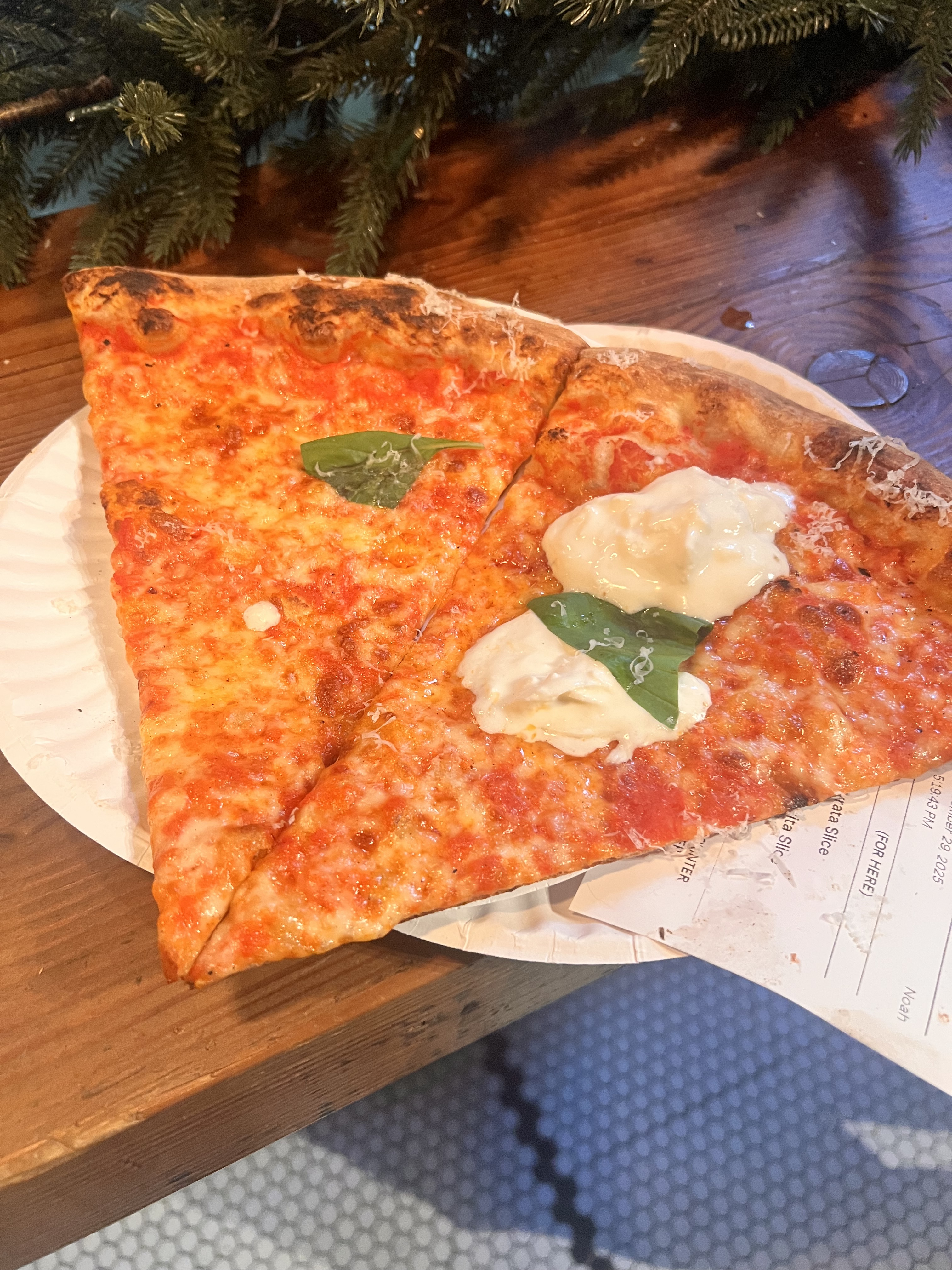
    One meal is greasy, perfect, eaten standing up.
    The next is warm, nostalgic, shared with family or old friends who remind you who you were before life complicated things.

    There’s something deeply comforting about eating in this city, not because it’s fancy, but because it’s honest. Every cuisine. Every culture. Every story, layered on top of each other.

    It’s messy. It’s indulgent. It’s exactly right.

    Family, friends, and old versions of yourself

    What really makes the holidays in NYC hit isn’t the lights or the landmarks.

    It’s seeing family and friends there, people who knew you in different chapters of your life. Different ambitions. Different insecurities. Different dreams.

    New York has a way of holding all those versions of you at once.

    You walk the streets and feel proud, grateful, nostalgic, and restless, sometimes all in the same block.

    Why New York still has its grip on me

    New York doesn’t promise balance.
    It promises intensity.

    It reminds you that life can be loud and meaningful at the same time. That chaos doesn’t mean confusion. That ambition and connection don’t have to be opposites.

    Spending the holidays there feels like stepping into a heightened version of reality, where emotions are louder, memories stick harder, and time feels more valuable.

    You leave tired. Inspired. A little broke. A little hopeful.

    And somehow, already missing it.

    Because New York doesn’t just give you memories.
    It gives you momentum.

  • 2025: The Year of Building and My Word for 2026

    I don’t usually like over-romanticizing years. Life doesn’t reset cleanly just because the calendar does. But 2025 deserves a pause.

    Not because everything went perfectly — it didn’t — but because it was a year of buildingreconnecting, and slowly stepping into a life that feels more aligned.

    What 2025 Looked Like (From the Inside)

    On paper, 2025 was full.

    I built and launched Hewwi — a project rooted in health, wealth, and wisdom. Something deeply personal. Something I needed to build as much as I needed to use.

    I also built and started GrowthPad — partnering with Stripe and creating a platform where founders can actually manage growth instead of guessing at it. That journey took me into rooms I once only imagined being in, including acceptance into accelerators.

    There were lighter moments too.

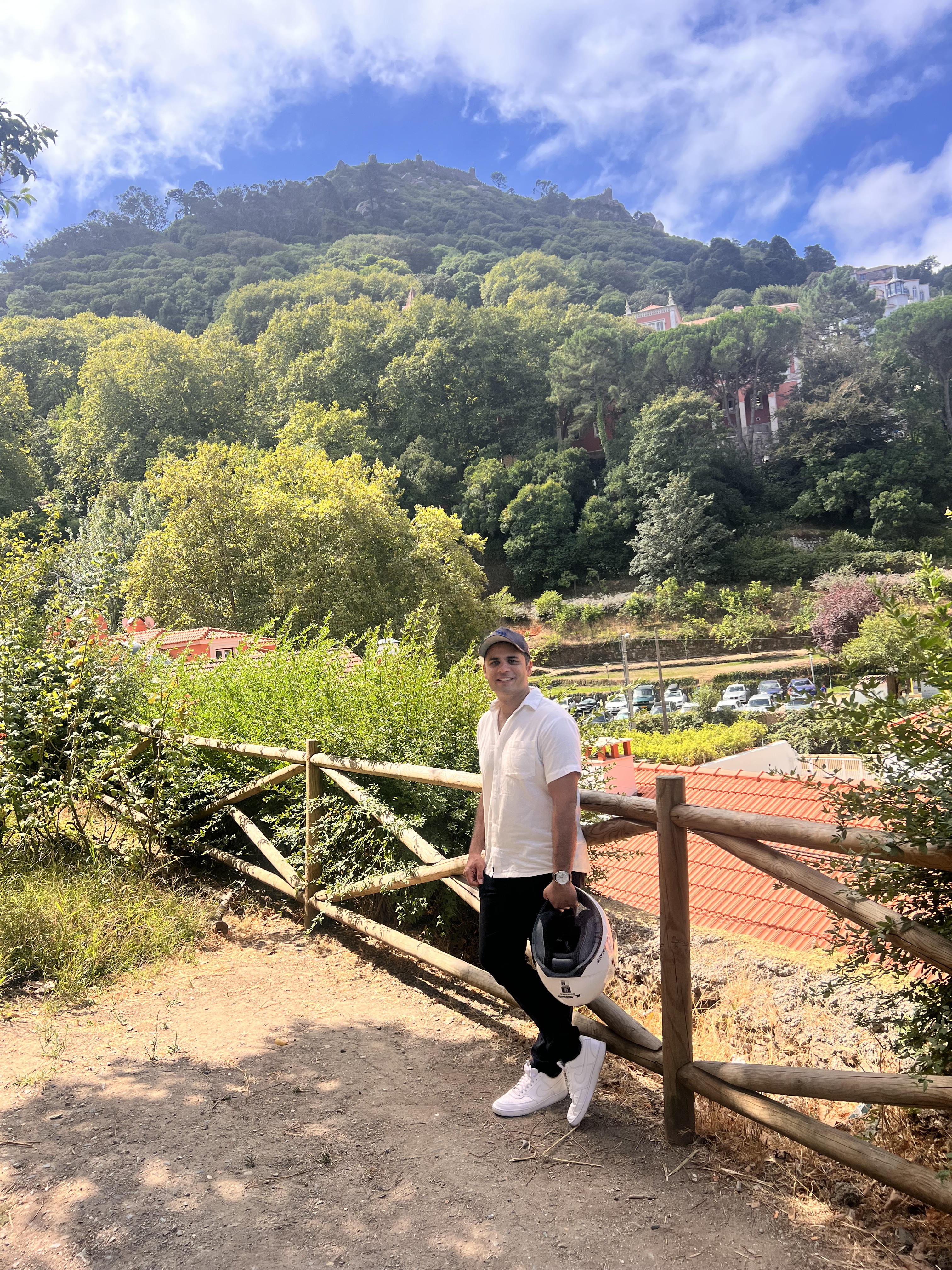
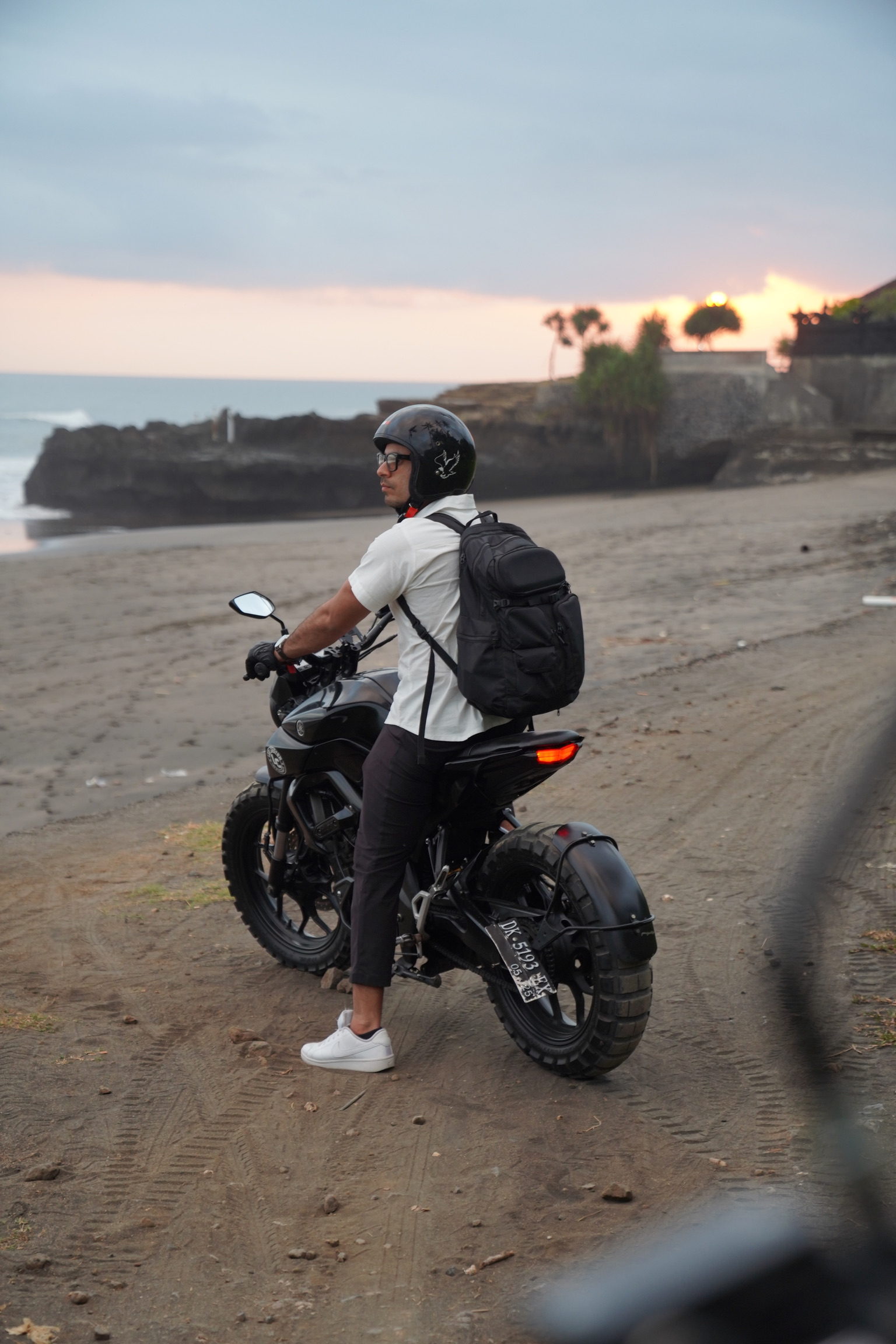
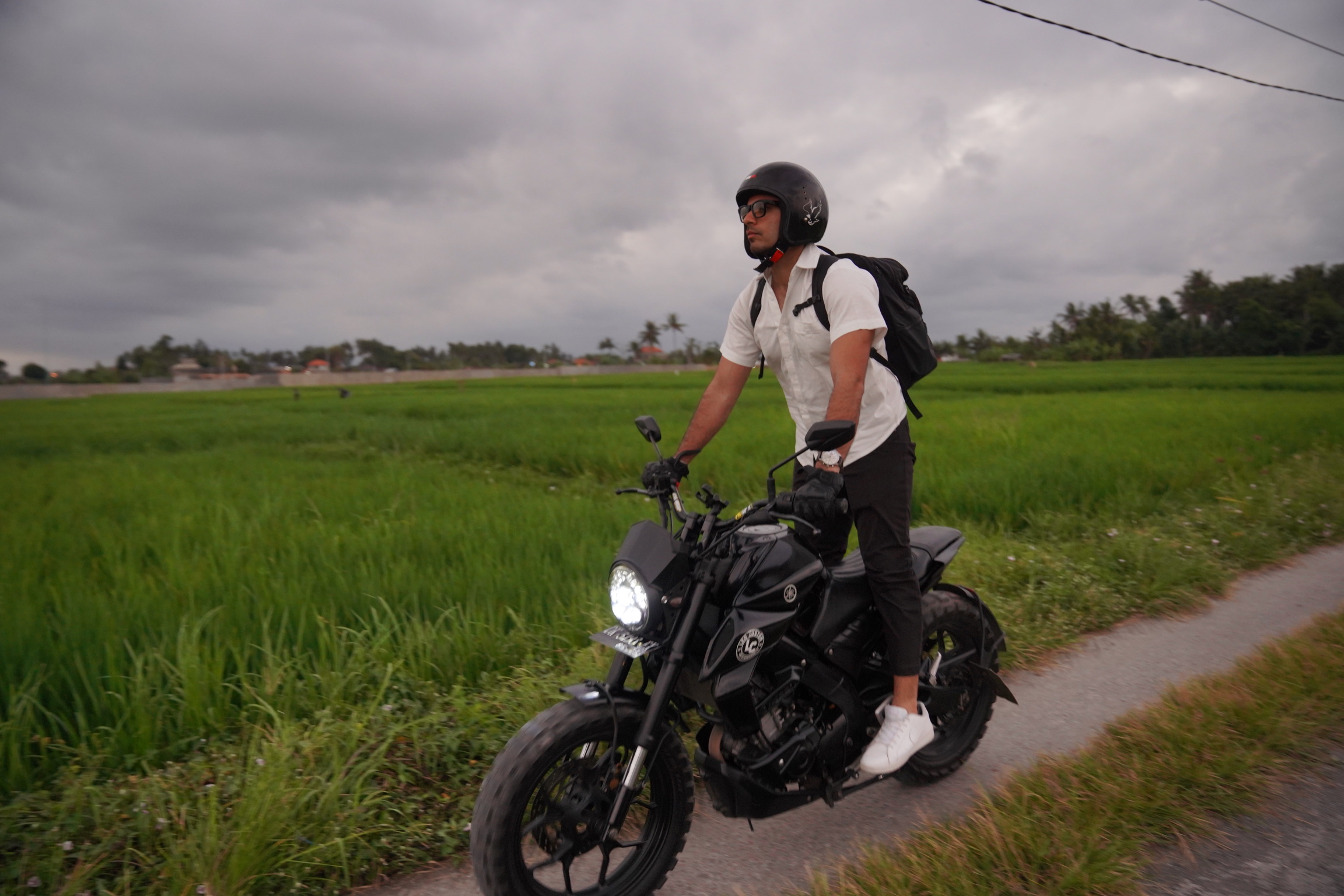
    Motorcycle rides through Lisbon and Toronto — the kind where nothing is urgent and everything feels present.

    Starting the year in Mexico to reset my health and energy, when I knew I needed space more than noise.

    A lot of quality time with my nephews and niece — watching them grow, laugh, and remind me what really matters.

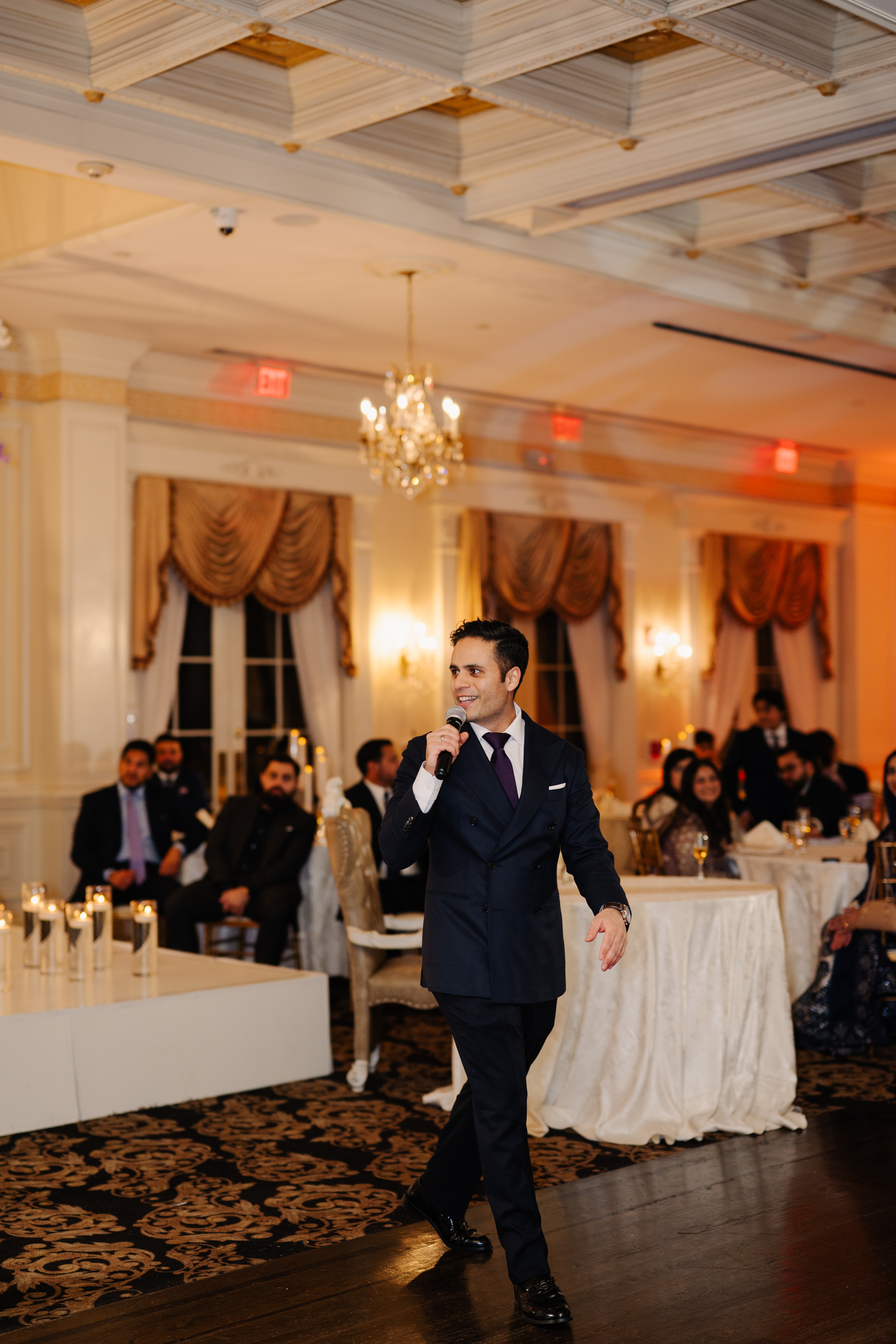
    I attended my sister’s graduation. I MC’d her wedding. Two moments I’ll never forget — not because of the spotlight, but because of what they represented: family moving forward.

    There was reconnection too. Cousins I hadn’t truly spent time with in years. Conversations that picked up where life once interrupted.

    And I ended the year in a way I never expected — with my mom, fulfilling her dream of watching the ball drop near Times Square.

    The Moment That Stuck With Me

    Standing there as the ball dropped, a few things hit me all at once.

    I could’ve stayed home.
    I could’ve chosen comfort.
    A quiet night. A familiar couch. A predictable New Year’s.

    Instead, I chose discomfort.

    I chose to be in a loud, chaotic, epic environment — surrounded by people from every walk of life — sharing that moment with my mom. The same woman who brought us to New York in the first place. The city where it all started for me and my family.

    And there we were.

    Not surviving.
    Not scraping by.

    But living.

    Staying in nice hotels.
    Eating at great restaurants.
    Having the luxury of time.
    The freedom to travel.
    The privilege of presence.

    It wasn’t lost on me how far that arc stretched — from arrival to arrival again, this time with gratitude instead of fear.

    Some moments from 2025…

    My Word for 2026: Intentional

    If 2025 was about building, 2026 is about choosing.

    Choosing how I spend my time.
    Choosing who I give my energy to.
    Choosing what I say yes to — and more importantly, what I don’t.

    Intentional with my health.
    Intentional with my work.
    Intentional with relationships.
    Intentional with faith.
    Intentional with money.
    Intentional with where I live and why.

    No more drifting into decisions.
    No more accidental years.

    I want fewer things — done better.
    Deeper connections — not more noise.
    Progress that feels aligned, not forced.

    2026 isn’t about proving anything.
    It’s about living deliberately.

    Here’s to choosing the harder, truer path.
    Here’s to building a life that actually feels like mine.
    Here’s to 2026.

    — Zain

  • As we step into 2025, I’ve been reflecting on the power of simplicity—how a single word can encapsulate a mindset, a way of being, and a guiding principle for the year ahead. Inspired by my friend Kunal Gupta’s blog post on how he chose his word for 2025, I’ve decided that my word for this year is Open.

    Kunal’s reflections resonated deeply with me, reminding me of the beauty in being present, curious, and available to life’s unfolding moments. His commitment to intentional living encouraged me to examine my own journey and embrace Open as a word that aligns perfectly with my aspirations.

    Why Open?

    1. Open to Opportunities
      This year, I’m committing to saying “yes” to possibilities that align with my values and goals. Whether it’s new business ventures, exciting collaborations, or personal growth challenges, I want to approach them with an open heart and mind.
    2. Open to Learning
      My learning challenges have taught me that stepping out of my comfort zone is where growth truly happens. In 2025, I aim to continue this journey with an openness to new skills, perspectives, and ideas that expand my understanding of the world.
    3. Open to Relationships
      By staying open to genuine connections, I hope to deepen existing relationships and create space for new ones that enrich my life in meaningful ways.
    4. Open to Change
      Life often unfolds in unexpected ways, and being open means embracing change with resilience and grace. This mindset will guide me through the highs and lows, reminding me to adapt, learn, and grow.
    5. Open to Myself
      Lastly, being open means staying honest with myself—listening to my inner voice, honoring my needs, and allowing room for rest, reflection, and self-compassion.

    Living Open in 2025

    As an entrepreneur, advisor, and community builder, my life is a constant dance between structure and spontaneity. The word Open reminds me to leave room for serendipity while staying focused on my goals. Whether it’s hosting Founder Brunches, mentoring startups, or pursuing my fitness journey, I’m excited to bring an open-minded, open-hearted energy to everything I do.

    Thank you, Kunal, for inspiring this intention. Here’s to a year of staying Open to all the wonders that 2025 has in store!

    What’s your word for 2025? Let me know—I’d love to hear what’s guiding your journey this year.


    Check out Kunal Gupta’s blog for more inspiration: howto.live

    Here’s to a transformative year ahead!

  • 2024: The Year of Adventures, Friendships, and Levelling Up

    If 2024 had a theme, it’d be “Live life, make friends, and say yes to every adventure.” From scuba diving with sharks to hosting panels in San Francisco, this year was one for the books. Here’s a look back at a year packed with thrills, laughs, and a few moments of pure chaos.


    Sydney: Where the Adventures Began

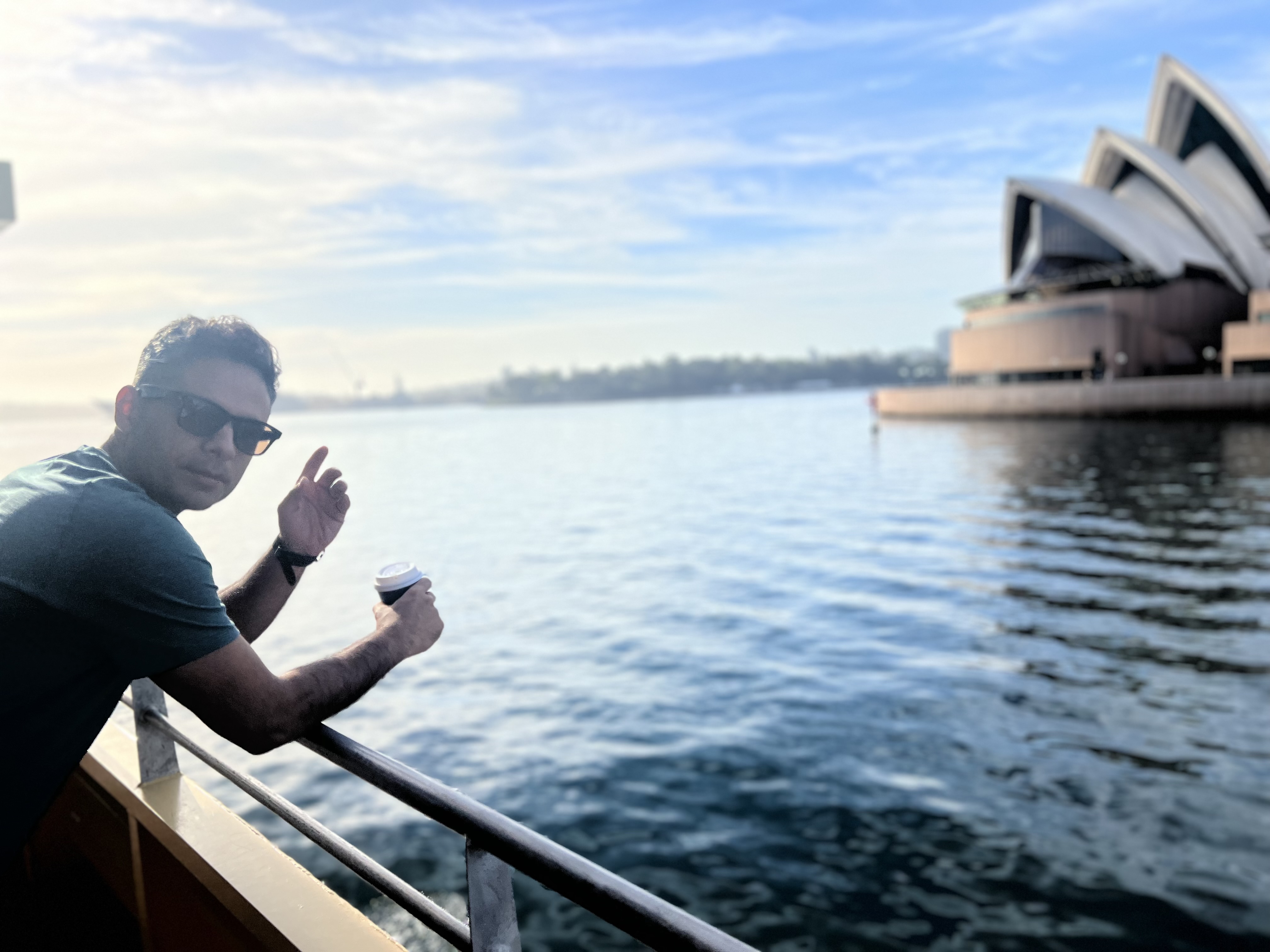
    The year kicked off in sunny Sydney, where I fully embraced my inner explorer. Weekends were for motorcycle rides along winding coastal roads, discovering hidden beaches, and making pit stops for the best Balinese coffee I could find. I also dove headfirst (literally) into the ocean, completing a 2km swim from Shelley to Manly Beach. There’s nothing like swimming with jellyfish to remind you of life’s fleeting nature—or to make you swim faster.


    Underwater Escapades

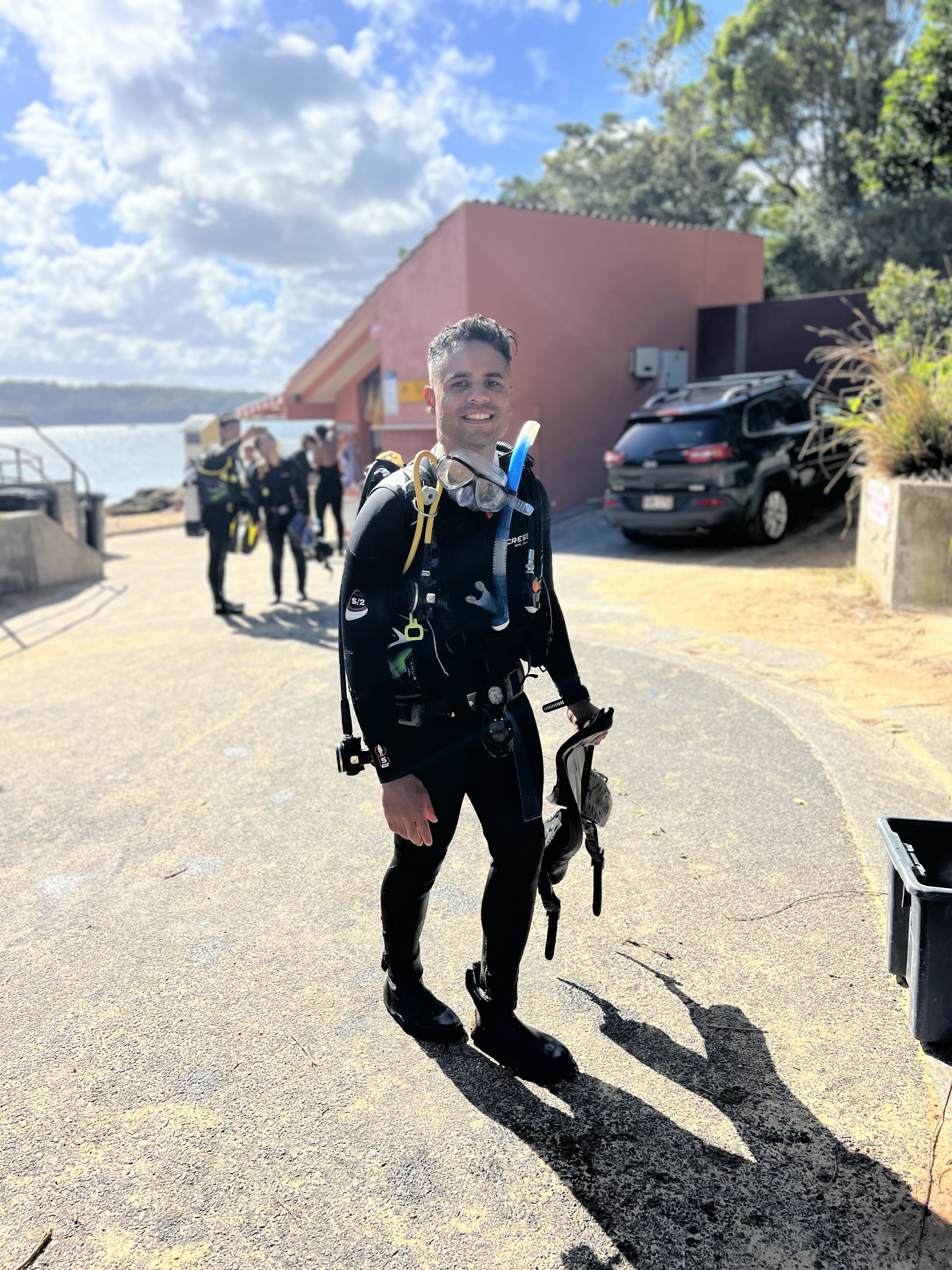
    This was the year I took my love of water to new depths, becoming a certified Advanced Scuba Diver. Shipwrecks? Check. Shark dives? Double check. The Great Barrier Reef? Absolutely. I made friends with fellow divers, swapped stories of underwater adventures, and learned that diving with sharks is surprisingly less terrifying than running a growth experiment with uncertain results.


    Making New Friends and Hosting Fun Events

    Sydney wasn’t just about adventures; it was also about connections. I built new friendships that turned coffee chats into deep conversations and ordinary days into lifelong memories. Workdays at Canva were anything but ordinary, with dumpling-making workshops, candle-making nights, and even Kintsugi sessions where we fixed broken pottery (and maybe a little bit of ourselves).

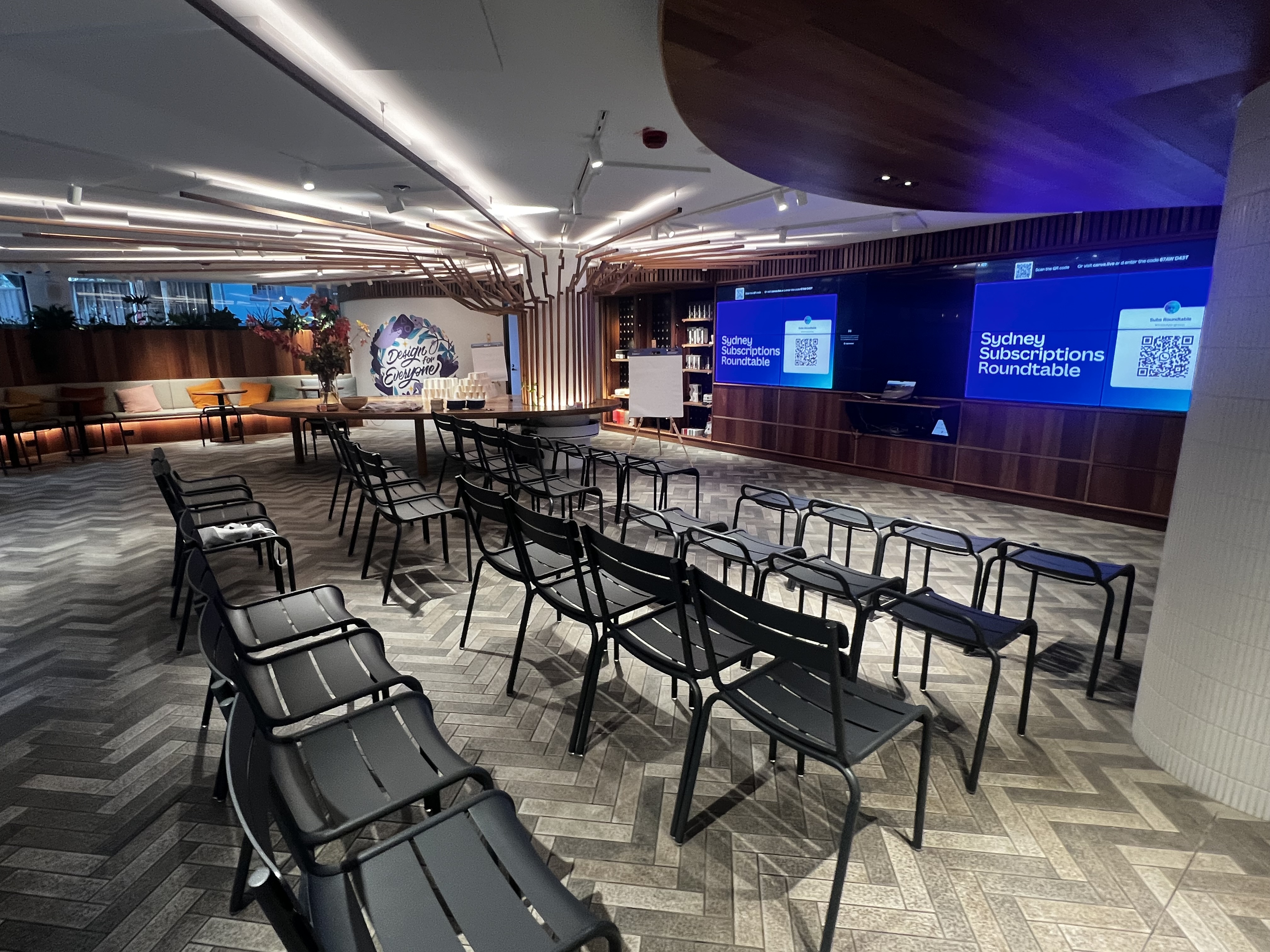
    Hosting the Sydney Subscription Roundtable was another highlight, bringing together incredible minds to talk all things growth. If there’s one thing I learned, it’s that nothing brings people together like a shared love for subscriptions—and dumplings.


    Skydiving, Biking, and Everything in Between

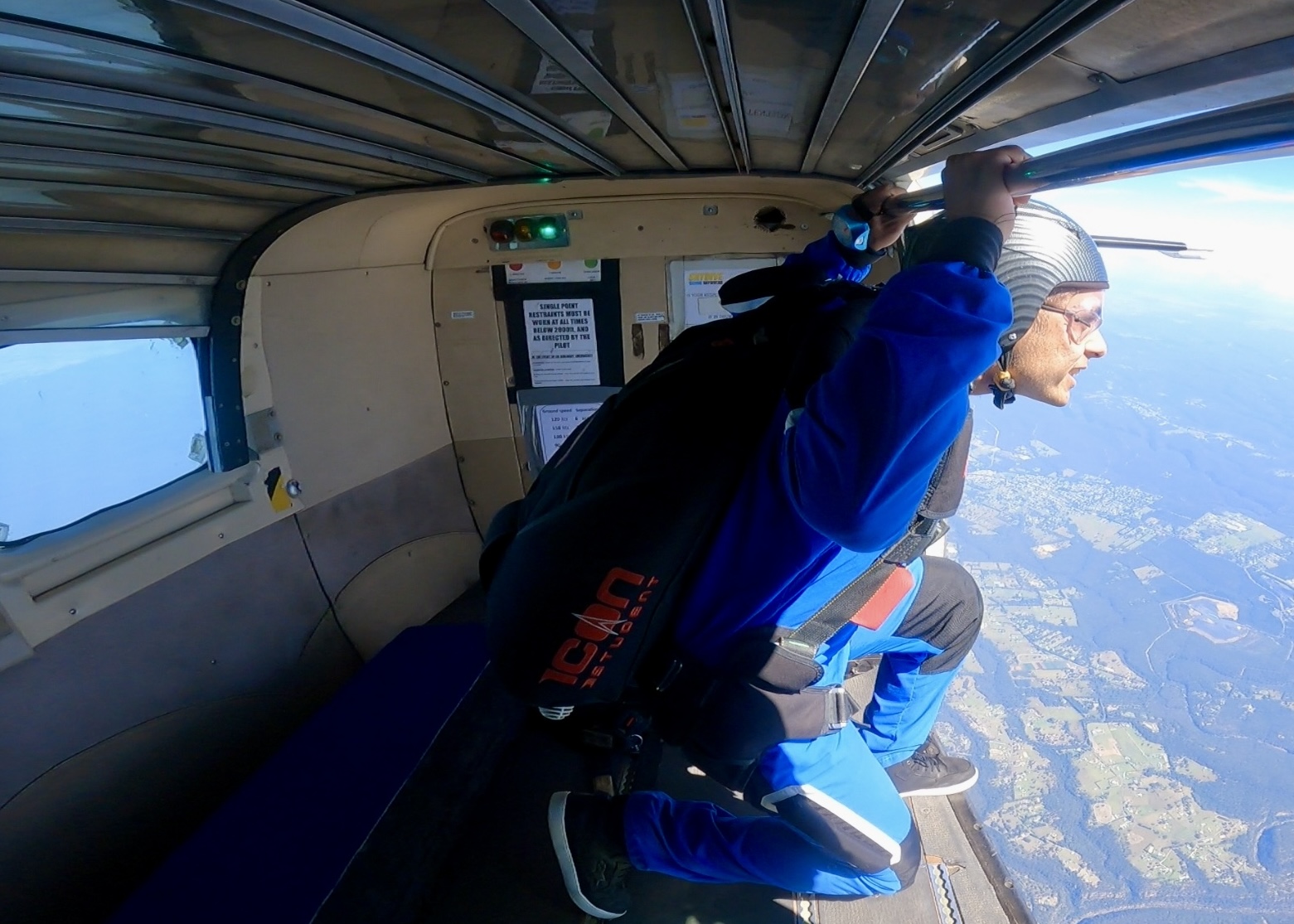
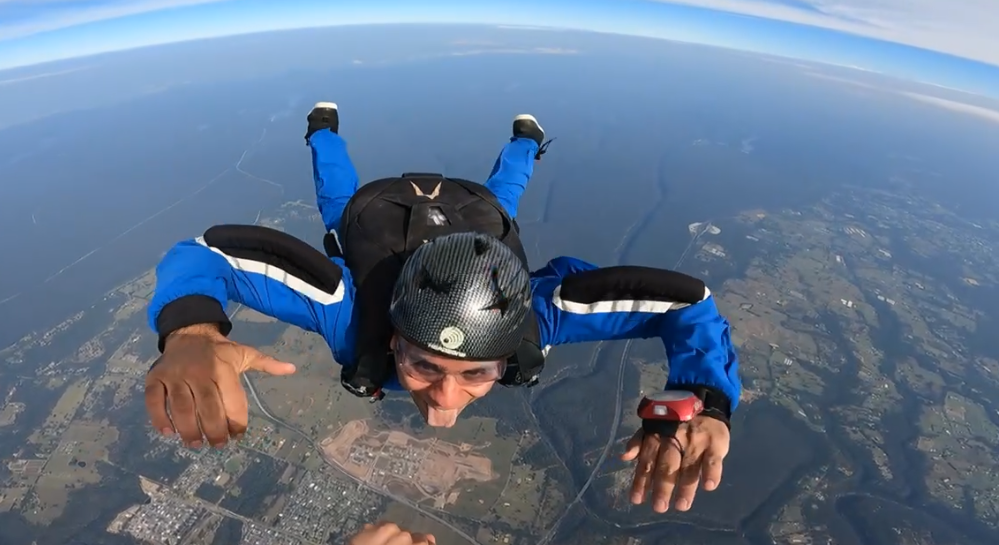
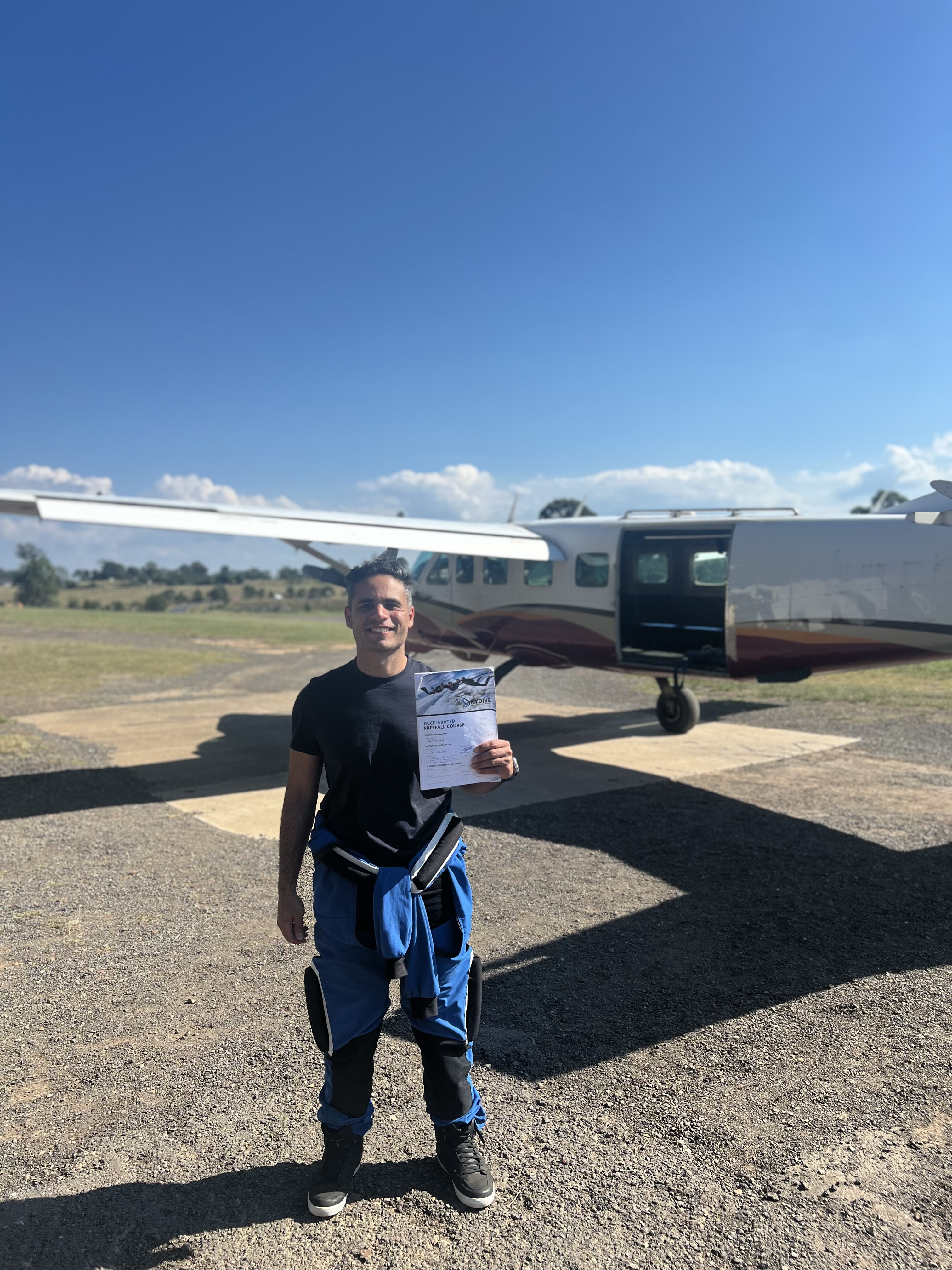
    When I wasn’t underwater, I was in the air. Getting my skydiving license this year was a game-changer. Free-falling through the skies, with nothing but adrenaline and a parachute, is a feeling I’ll never forget. On the ground, I kept the adventures rolling with motorcycle rides through Sydney’s most scenic routes.

    By the end of the year, I swapped the Sydney roads for Toronto’s streets, where I continued my love affair with motorcycles, reconnecting with old friends and exploring the city in a whole new way.


    Building, Traveling, and Growing

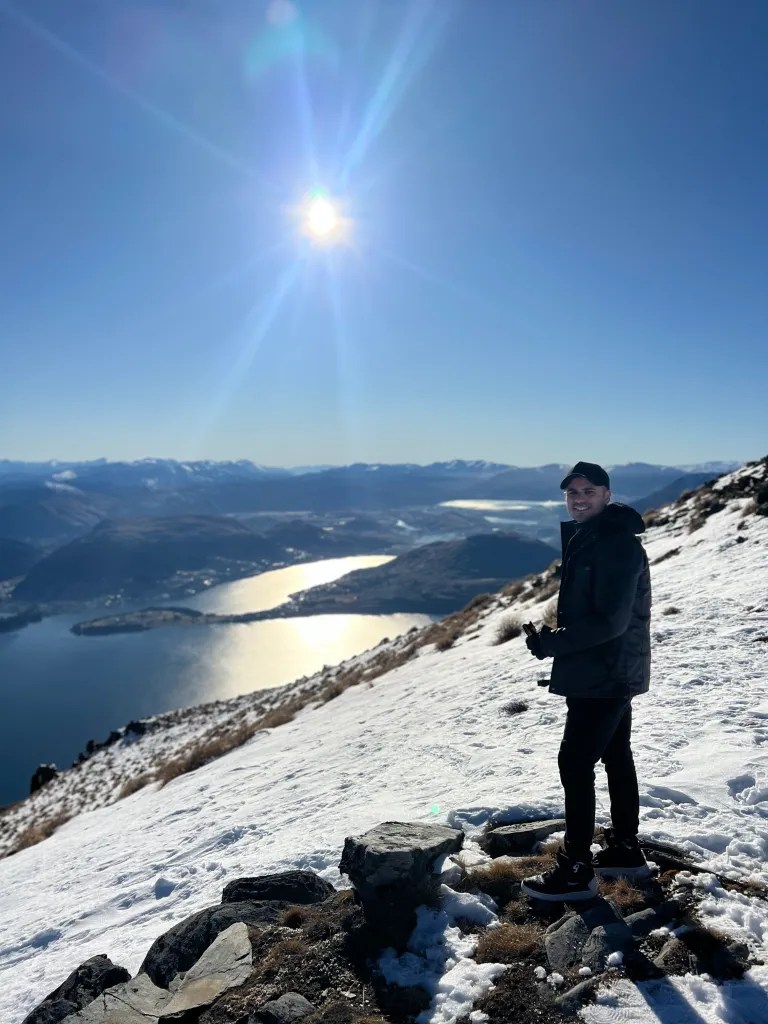
    This was also a year of creation and exploration. I launched the Hewwi Journal, a passion project to help people live healthier, wealthier, and wiser lives. I also traveled to incredible places like New Zealand and Bali, soaking in their beauty and culture.

    On the professional front, I joined Headline VC as a scout, advising companies on subscription growth and meeting some of the brightest minds in the industry. I also hosted GrowthTalks in Sydney, San Francisco, and Toronto, which were equal parts insightful and fun.


    Community and Family

    Returning to Toronto was like hitting the reset button in the best way possible. I reconnected with my community, caught up with lifelong friends, and even MC’d a close friend’s wedding in Vancouver. These moments reminded me of the power of relationships and the importance of being surrounded by people who truly matter.

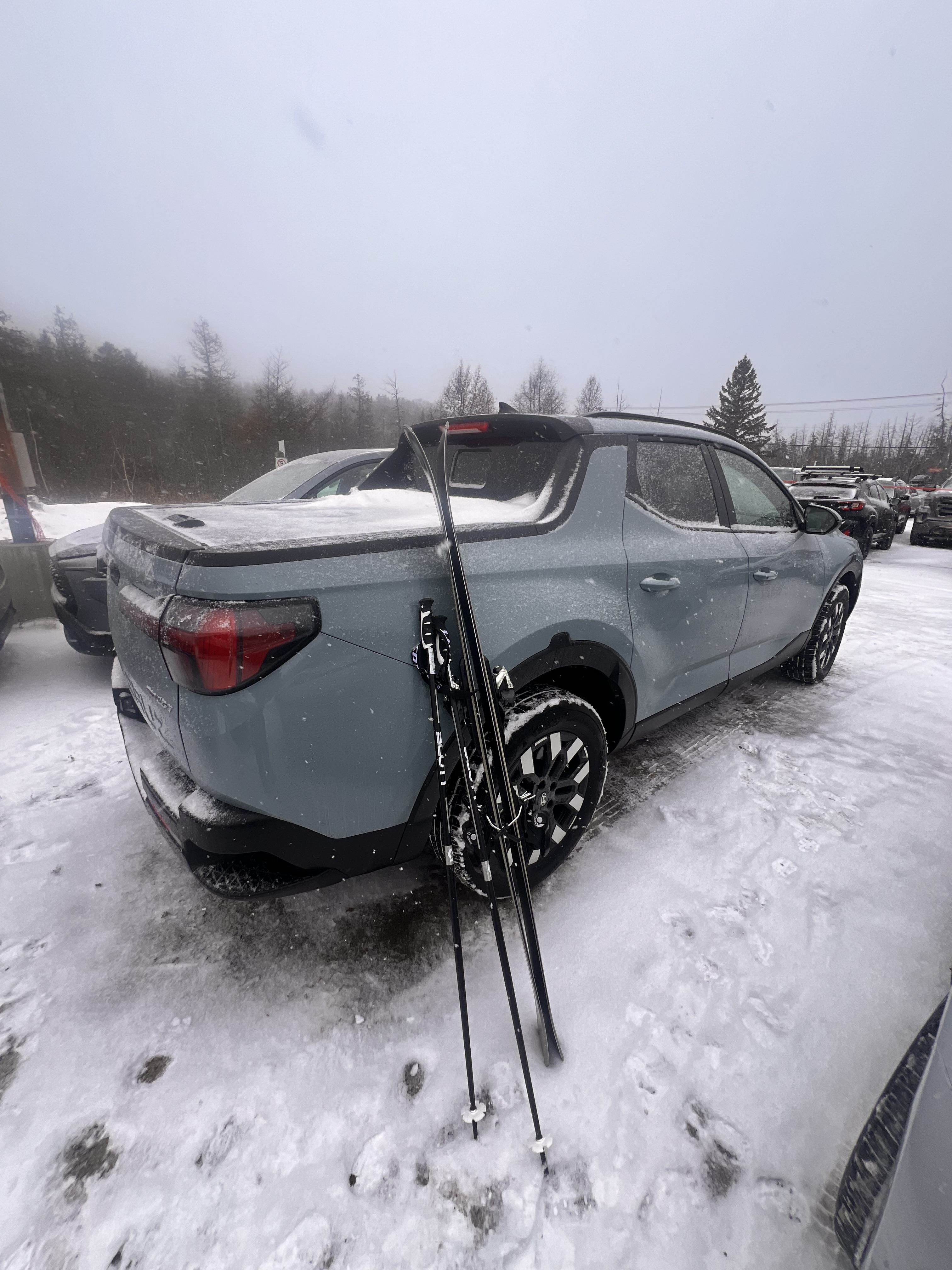
    As the year came to a close, I traded my scuba gear for ski gear, spending time on the slopes and with family. From adventurous beginnings in Sydney to cozy winter days in Canada, 2024 was a year of balance, growth, and unforgettable memories.


    Here’s to 2025

    2024 taught me that life is best lived on your own terms—whether you’re diving with sharks, jumping out of planes, or hosting meaningful conversations. Here’s to 2025, a year I hope will be just as adventurous, full of connection, and maybe (just maybe) with a little more time for sleep.

    Cheers to living boldly and embracing every opportunity. Let’s do this!

  • Ah, the 9-to-5 workday—our modern-day hamster wheel disguised as “structure.” Some say it’s a symbol of civilization, while others (me, mostly) call it a creative prison where good ideas go to die under fluorescent lights. But who invented it, why did humanity agree to this bizarre arrangement, and—more importantly—how will AI finally set us free? Let’s dive into the mystery and humor of the 9-to-5, one keyboard tap at a time.

    A History Lesson Nobody Asked For

    The legend goes that Henry Ford, with his revolutionary “Hey, maybe humans shouldn’t collapse from exhaustion on the factory floor” policy, introduced the 9-to-5 in 1926. Before this, workers toiled endlessly, like medieval peasants but with more steam engines. Ford decided eight hours of work was enough for anyone—because, apparently, inventing cars also makes you a sleep expert.

    But here’s the kicker: Ford wasn’t being altruistic. He wanted his employees to have free time to buy Ford cars. That’s right, the whole system was an elaborate marketing ploy. “Work less so you can give me more money,” said Henry, twirling his capitalist mustache.

    But What About Before 9-to-5?

    Before Ford, humanity worked with “vibes only” scheduling. Farmers woke up with the sun and stopped when the cows gave them side-eye, essentially saying, “Bruh, it’s dark. Go sleep.” During the Industrial Revolution, factory owners cranked up the hours, turning people into overworked zombies. So really, the 9-to-5 wasn’t a step forward—it was a slightly less terrible compromise.

    AI: The Hero We Didn’t Know We Needed

    Enter Artificial Intelligence, humanity’s new overachieving intern that never takes coffee breaks. If you think AI is just for writing emails or helping you “find the best tacos near me,” think again. AI isn’t just changing how we work—it’s changing why we work.

    Here’s the deal: as AI takes over repetitive, soul-sucking tasks, humans will no longer need to spend their days drowning in spreadsheets, scheduling meetings, or pretending to be busy on Slack. Instead, we’ll go back to doing what we were made for—creative, meaningful, and community-focused work.

    What Work Will Look Like in the AI Era

    AI won’t eliminate work entirely (sorry, beach enthusiasts), but it will radically transform it. Here’s what the future might hold:

    1. The Return to Craftsmanship

    Remember when people made things with their hands instead of clicking “Add to Cart”? AI will handle mass production, giving humans the freedom to revive artisan work. Think pottery, carpentry, and—dare I say—handmade okra recipes.

    2. The Rise of Local Communities

    With AI managing global supply chains, humans can focus on building local economies. Farmers’ markets, small-town theaters, and local art festivals will thrive as people rediscover the joy of connecting with their neighbors.

    3. Creative Renaissance

    Writing novels, composing symphonies, or painting murals on abandoned buildings—all the stuff we used to call “hobbies” will become the main gig. AI will handle the boring parts, like editing or finding an audience, leaving humans to just create.

    4. Emotional and Ethical Work

    AI can’t replace human empathy (yet). Jobs like therapists, mentors, spiritual guides, and community leaders will become more important than ever. People will be paid to listen, inspire, and connect—things robots are terrible at.

    5. Exploration and Adventure

    With AI managing mundane tasks, humans might finally have time to explore the planet again. Archaeologists, conservationists, and adventurers could be the new rock stars. Bonus: we might even make Mars our weekend getaway.

    Back to the (Better) Future

    In this AI-driven world, the 9-to-5 will become a relic of history, like floppy disks or landlines. Work will revolve around purpose, not productivity, and people will spend their days building, creating, and connecting—just like they did before clocks became tyrants.

    Imagine waking up at sunrise, not because an alarm clock bullied you into it, but because the world is calling you to create something beautiful. You tend to your garden, paint a masterpiece, or teach kids how to skateboard. AI handles the bills, emails, and boring chores, leaving you free to live your best life.

    Closing Thoughts (And Hope for the Rest of Us)

    The 9-to-5 wasn’t built for creativity, joy, or freedom—it was built for predictability and selling cars. But with AI in the driver’s seat, humans can step back and rediscover what it means to be human. And who knows? Maybe we’ll look back on the 9-to-5 and laugh, wondering how we ever let a car guy decide our schedules.

    Until then, here’s to dreaming about a future where your Slack status is always “Out Exploring” and your job description just says, “Human, doing cool stuff.”

  • Imagine a world where the human experience unfolded entirely outdoors. This was not a utopian fantasy but rather the reality for the vast majority of our species’ history. For millennia, humans thrived in open spaces, navigating life under the sun and stars, deeply intertwined with the rhythms of nature. Yet today, the average person spends more than 90% of their time indoors—most of it in front of a screen. How did we get here? And is there a way back?

    A Brief History of Sitting Indoors

    The shift to an indoor life began in earnest with the Agricultural Revolution. As humans settled into farming communities, they built shelters to protect themselves from the elements and store surplus grain. These early dwellings were practical but temporary—mere punctuations in lives still spent largely outdoors tending crops, hunting, and gathering.

    The Industrial Revolution brought profound changes. Factories required laborers to be stationary and indoors, initiating a pattern of sedentary, indoor work that would expand with each technological leap. The 20th-century office revolution, punctuated by the invention of the typewriter and later the personal computer, confined more of us to desks. The digital age completed the transformation: today, entire industries operate from behind screens, severing the last threads tethering us to our ancestral outdoor lives.

    Designed for the Outdoors

    Humans evolved as hunter-gatherers, roaming vast landscapes in search of food, water, and shelter. Our bodies are hardwired for movement, sunlight, and interaction with the natural world. Sunlight regulates our circadian rhythms; exposure to nature lowers stress and boosts creativity. The open air—not the stale, recycled breeze of an air-conditioned office—is our biological default setting.

    Yet modern life has turned these evolutionary truths into anomalies. Sitting for hours on end contributes to chronic illnesses like cardiovascular disease and diabetes. Isolation from nature has been linked to mental health struggles, from anxiety to depression. We are a species designed for the outdoors, living increasingly unnatural lives.

    AI: A Tool to Reclaim the Outdoors

    Enter artificial intelligence. Paradoxically, the technology often blamed for tethering us to screens might hold the key to freeing us from them. Here’s how:

    1. Automation of Admin Work: Much of the indoor grind stems from repetitive, time-consuming tasks—data entry, scheduling, email management. AI can take over these burdens, enabling professionals to focus on work that requires creativity, strategy, and physical presence.
    2. Smart Assistance in Outdoor Professions: Imagine an architect surveying a building site with AI-powered augmented reality glasses or a farmer using AI to analyze soil conditions in real-time. These tools bring sophisticated computational power into the field, reducing the need to retreat to an office.
    3. Redefining Remote Work: AI-powered virtual assistants can manage meetings, transcribe notes, and even summarize key points. This means professionals can work effectively from a park bench, a hiking trail, or their own backyard.
    4. Encouraging a Shift in Work Culture: AI-driven insights can highlight the productivity benefits of outdoor work. Companies that embrace these insights could redesign roles to incorporate more time spent outside, promoting health and well-being alongside output.

    A Vision for the Future

    Imagine a world where the sound of keystrokes is replaced by the crunch of leaves underfoot, where brainstorm sessions happen on forest trails instead of fluorescent-lit conference rooms. This is not an idyllic fantasy but a plausible future, one where AI helps us reclaim the outdoor lifestyles our bodies and minds crave.

    The challenge is not merely technological but cultural. We need to reframe our relationship with work, productivity, and nature. We must recognize that progress is not synonymous with confinement and that innovation can—and should—set us free.

    The outdoors is not a relic of our past; it is the key to our future. With AI as our ally, perhaps we can build a new paradigm of work that respects both our evolutionary heritage and our technological aspirations. After all, we are not machines meant to function in isolation. We are humans, meant to thrive under the sun.

  • Back in 2018, I was wandering through Asia without much of a plan—just a backpack, a sense of adventure, and a list of countries I wanted to visit. Somewhere along the way, I booked a spontaneous flight from Kuala Lumpur to Jakarta, Indonesia. My thought process? “Bali is in Indonesia, right? Let’s just go and figure it out!”

    What I didn’t know then was that Bali isn’t exactly right there when you land in Jakarta. It’s actually an entirely different vibe, location, and experience. Jakarta was bustling, hot, and humid—a whirlwind of a city that left me both impressed and overwhelmed. After a couple of days, I was frustrated, sweaty, and out of ideas. Instead of sticking around or figuring out how to get to Bali, I impulsively booked a flight to Japan and moved on. My Bali dream never materialized, and it became one of those “almost-done” stories that lingered in my mind.

    Fast forward to 2024. Life had changed. I was living in Australia for my job at Canva, and Bali kept coming up in conversations. Australians love Bali—it’s almost a rite of passage here. Turns out, it’s a short direct flight from most major Australian cities, and people raved about its beauty, culture, and laid-back vibe. I finally Googled Bali and discovered a crucial piece of information: you don’t fly to “Bali.” You fly to Denpasar, then head to spots like Canggu, the heart of the Bali experience.

    Fate had its own plans for me. While working on a book project, I started collaborating with my designer, who happened to be based in Bali. The deadline was tight, and collaborating over emails and calls wasn’t cutting it. So, I decided to head to Bali and work with my designer in person.

    The moment I landed in Denpasar, I felt it. Bali wasn’t just a destination; it was an energy. Scooters zipped through the streets with an effortless chaos that somehow worked. Friendly locals greeted me with warm smiles that instantly made me feel at home. I knew this trip was going to be special.

    Canggu turned out to be a creative hub—a buzzing community of freelancers, independent workers, and dream chasers. I quickly found a social media expert, a copywriter, and a talented videographer who documented my trip with lightning speed. Collaborating in person with my designer was a game-changer, and the book project moved faster than I’d imagined.

    Beyond work, I fell in love with Bali’s lifestyle. The food culture was incredible, from fresh smoothie bowls to mouthwatering local dishes. The gyms and wellness amenities rivaled anything I’d seen before, and working out became a part of my daily routine.

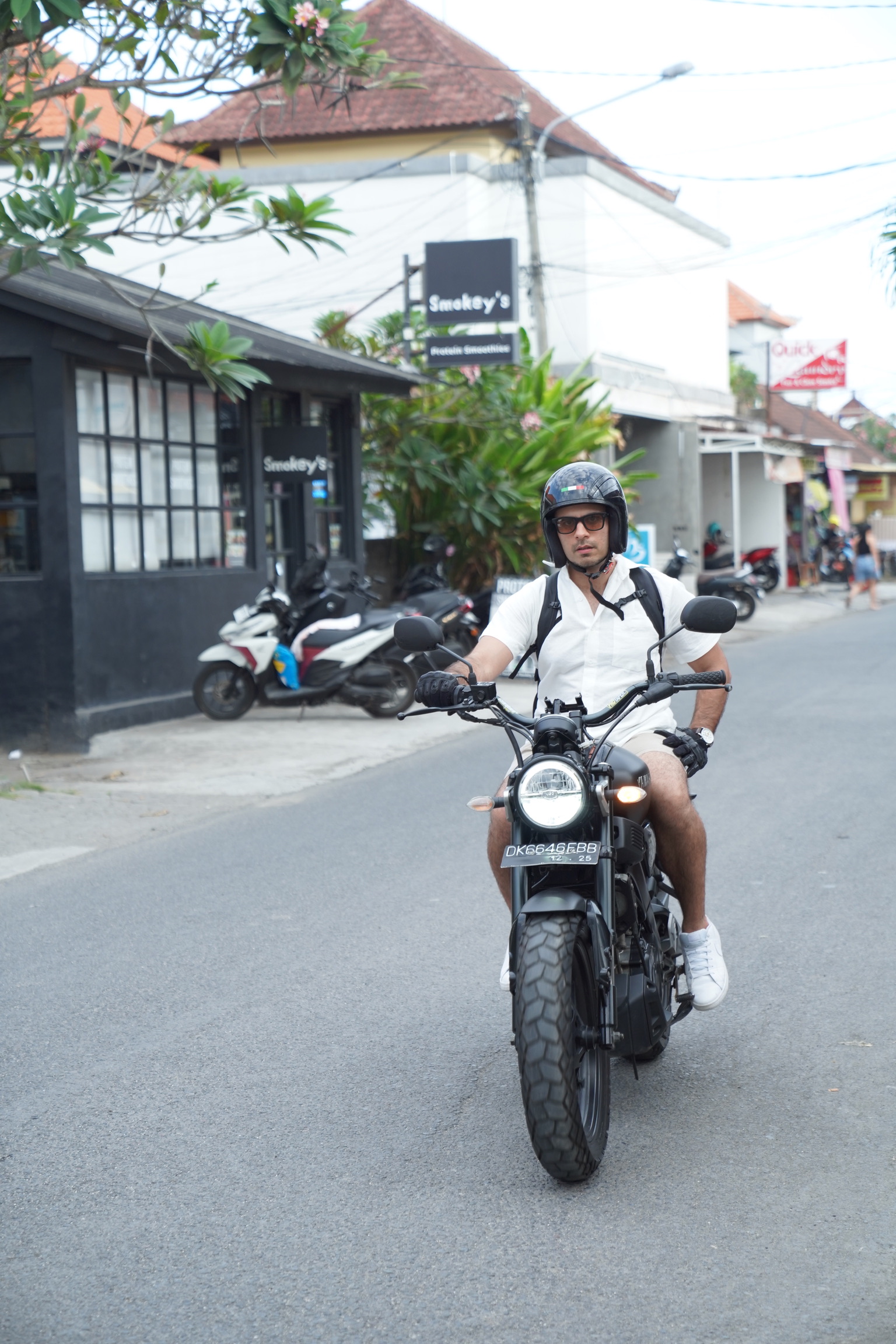
    One unexpected highlight? The custom motorcycle culture. A local guy brought me a different motorcycle to try every day, and I explored Bali’s stunning landscapes on two wheels. From hidden beaches to lush green rice fields, every ride was an adventure.

    What started as a one-week trip turned into three weeks. By the time I returned to Australia, I felt healthier, happier, and more energized than I’d been in years. Bali didn’t just live up to the hype—it exceeded it.

    Looking back, my 2018 self would’ve never guessed how transformative Bali would be for me in 2024. It wasn’t just about finding a destination; it was about finding a way of living that made me feel alive. Bali, it turns out, was worth the wait.

  • So, I was just thinking about how working in a company is kind of like being on a plane. Yeah, hear me out on this one. Picture this: the employees are the passengers, the managers are the pilots and flight crew, the founders are the plane owners, and then there are the brave souls who decide to jump out mid-flight to start their own companies. Intrigued? Let’s take off.

    Passengers of the Plane: The Employees

    Alright, so we’re all strapped into our seats, aka our cubicles or remote desks. We’re the passengers of this corporate jetliner. We’ve got the ones who recline their seats all the way back, totally settled in for the long haul. They’ve got their eye masks on, neck pillows ready, and are in it for the smooth ride to retirement town.

    Then there are those of us who are just trying to make it through the in-flight movie of our careers without getting too motion sick. We’re here for the journey, maybe not the destination. We’ve got our snacks (endless coffee), our entertainment (office gossip), and just enough legroom to stay sane.

    Managers: The Pilots and Flight Crew

    Now, the real heroes – the managers. They’re the pilots and flight crew, navigating this metal tube of dreams through the skies of corporate chaos. Our fearless pilots, aka senior managers, are up in the cockpit making sure we don’t crash into a mountain of bad decisions. They’ve got their hands on the controls, trying to steer us through turbulence, budget cuts, and the occasional office party disaster.

    Meanwhile, the flight crew – the middle managers – are doing their best to keep us passengers calm and collected. They’re handing out the peanuts of praise, the sodas of support, and occasionally, the barf bags of brutal feedback. They’re the ones you call when your seatbelt gets stuck, or you just need someone to talk to about how Karen in accounting keeps microwaving fish in the break room.

    Owners of the Plane: The Founders

    Ah, the founders – the owners of this flying circus. They’re the ones who bought this plane, fueled it up, and sent it hurtling into the sky. These visionary aviators dreamed of creating a company and made it happen. They’re up there in first class, sipping champagne and occasionally peeking back at us to make sure we’re all still onboard and not causing a ruckus.

    Founders are like those eccentric millionaires who buy private jets on a whim. They’ve poured their life savings, time, and probably a bit of their sanity into this plane. They’re invested in making sure it flies high, fast, and far – hopefully without too many emergency landings.

    People Who Jump Out of the Plane: Employees Who Become Founders

    And then there are the daredevils – the employees who decide that flying comfortably at 30,000 feet is just too mundane. They strap on their parachutes, take a deep breath, and jump out of the plane to start their own companies. These are the thrill-seekers, the adventurers, the “I’ll-build-my-own-plane” kind of people.

    I mean, you’ve got to admire their guts. One minute they’re enjoying the in-flight WiFi, and the next they’re plummeting towards entrepreneurship with nothing but an idea and a dream. It’s like skydiving without checking if the parachute is packed properly – terrifying and exhilarating.

    So, there you have it. The corporate world is just one big plane ride. Whether you’re a comfy passenger, a diligent flight attendant, a high-flying pilot, or a skydiving entrepreneur, we’re all on this journey together. Next time you’re at work, just remember – we’re all just trying to get to our destination without too much turbulence. And hey, if things get rough, there’s always the barf bag of brutal feedback to fall back on. Safe travels, my fellow corporate aviators!

  • Serendipity. It’s a fancy word for those delightful accidents that can turn your life upside down—in a good way. Picture this: you’re minding your own business, and BAM! You stumble upon someone who changes everything. Here are some of my own serendipitous (and mildly hilarious) encounters that have shaped my life, plus a foolproof formula to boost your own serendipity quotient.

    The Great Whey Protein Debacle with Mujtaba

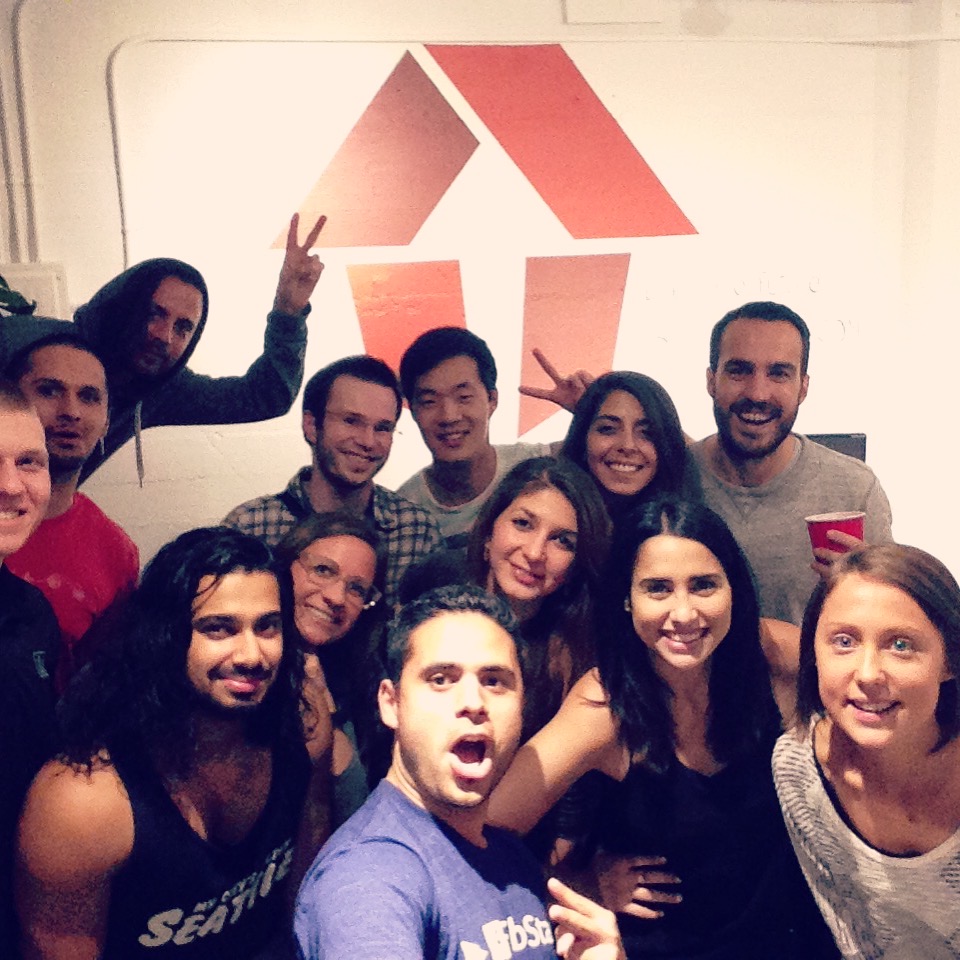
    Rewind to 2014. I was living in a startup house in San Francisco, a place where the air was thick with ambition and the smell of ramen. One fine day, as I was climbing the staircase, I noticed someone with a tub of whey protein. Naturally, I blurted out, “Hey, where did you get your whey protein?” because, priorities.

    That guy was Mujtaba, and little did I know, that simple question would lead to a friendship that completely redirected my career. It turns out, Mujtaba knew everyone. And I mean everyone. It was like he had a Rolodex of Silicon Valley’s finest in his brain. Lesson learned: whey protein isn’t just for muscles; it’s for networking.

    The Ferriss Wheel of Fortune

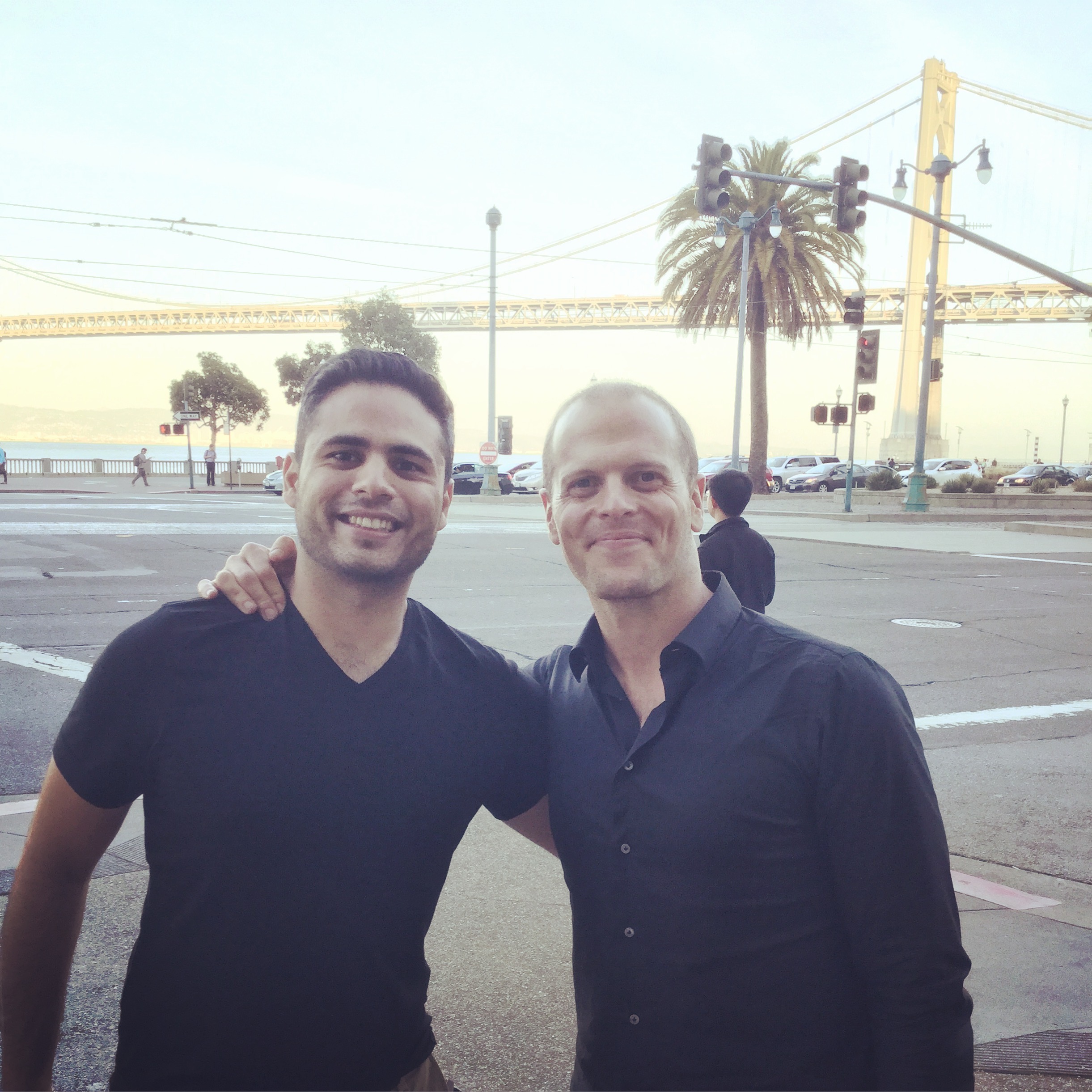
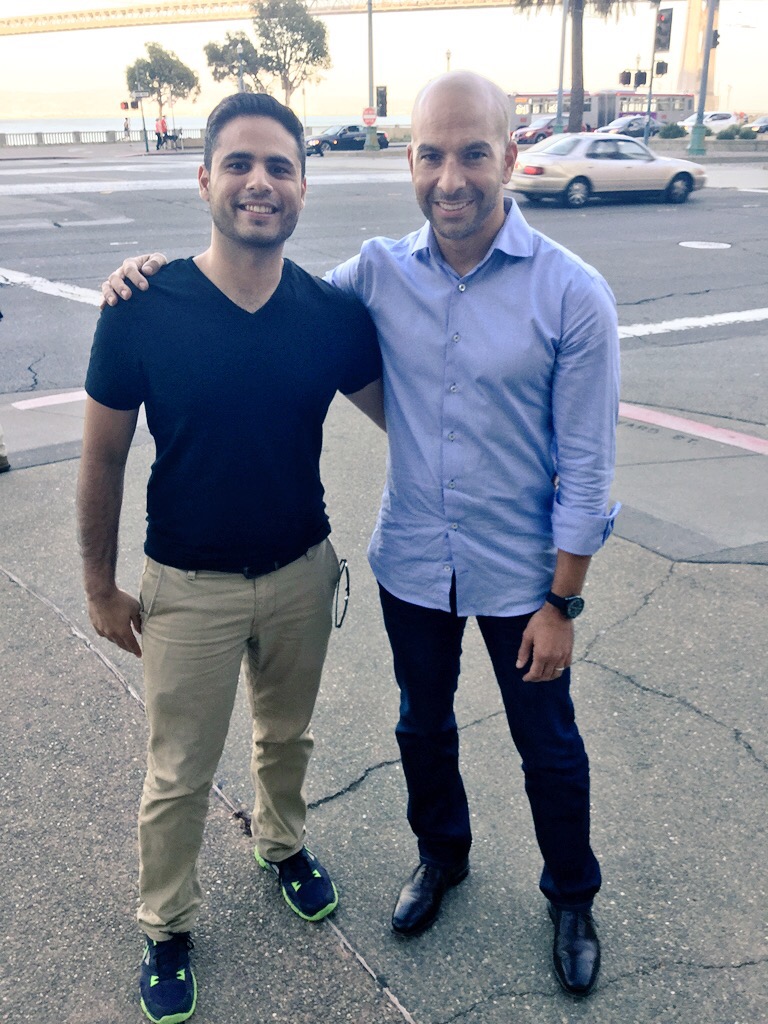
    Picture this: I’m strolling down Howard Street, minding my own business, when I realize Tim Ferriss is walking right behind me. Yes, the Tim Ferriss, the guy who wrote books that made me rethink my life. So, what did I do? I did what any sane person would do—I slowed down to an awkward crawl and hoped he’d notice me.

    Spoiler: he did. And if that wasn’t enough, walking alongside him was Dr. Peter Attia, whose health framework has been a gamechanger for my life. We ended up having an epic walk down Howard Street all the way to the Bay Bridge. We talked about life, productivity hacks, health, and how to make the perfect cup of coffee (spoiler: it’s not with instant coffee). Sometimes, you just have to walk slowly and hope for the best.


    The Bus Stop Encounter with Kevin Systrom

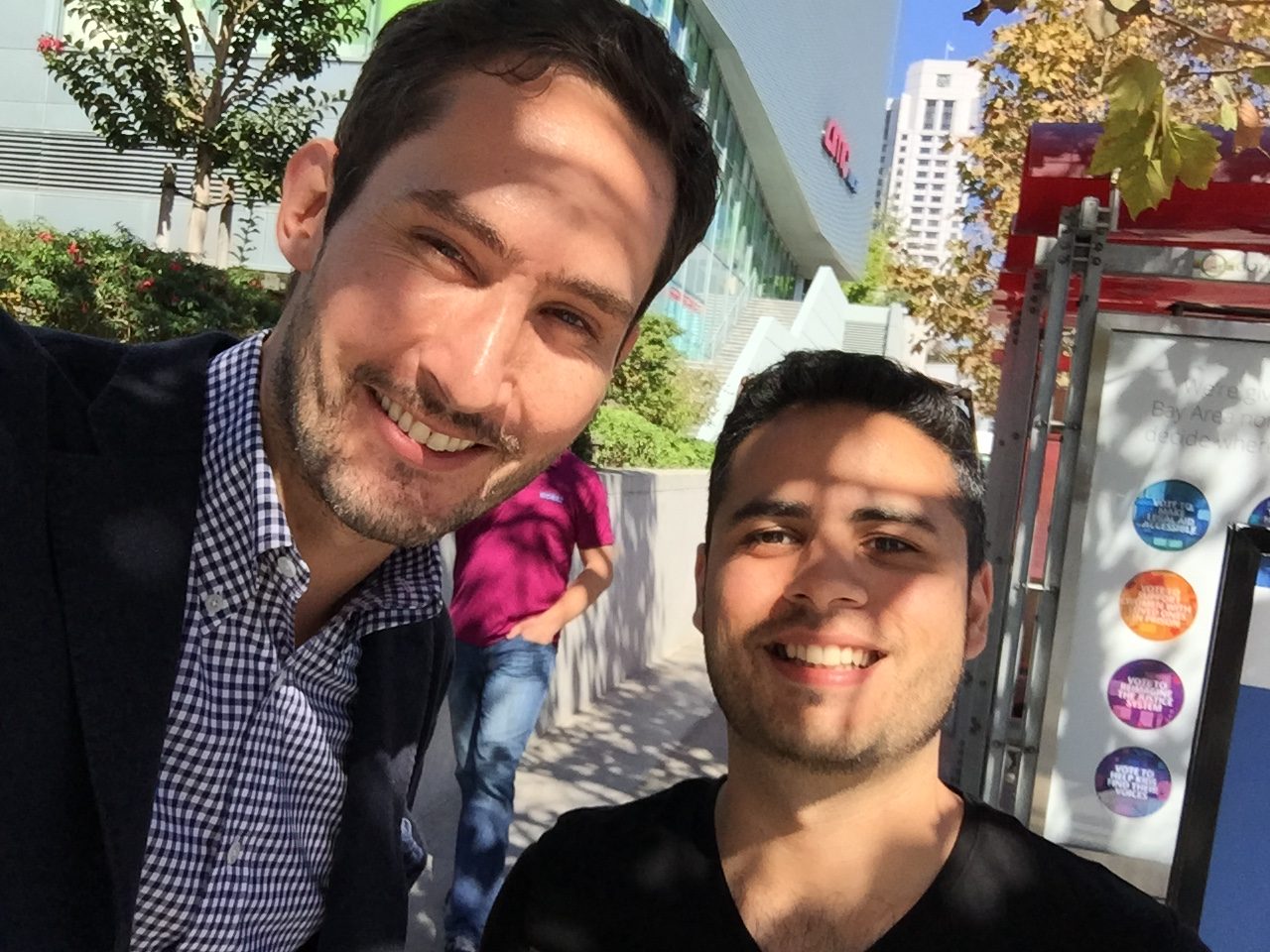
    Living in the startup house came with its perks, including random bus stop encounters. One day, while waiting for the bus on Howard Street, I found myself standing next to Kevin Systrom, the founder of Instagram. It was one of those “Wait, aren’t you…?” moments that led to an impromptu chat about social media, startups, and the best filters for selfies. Note to self: always check who’s standing next to you at bus stops. You might be chatting with a tech mogul.

    Meeting Mark Zuckerberg in Menlo Park

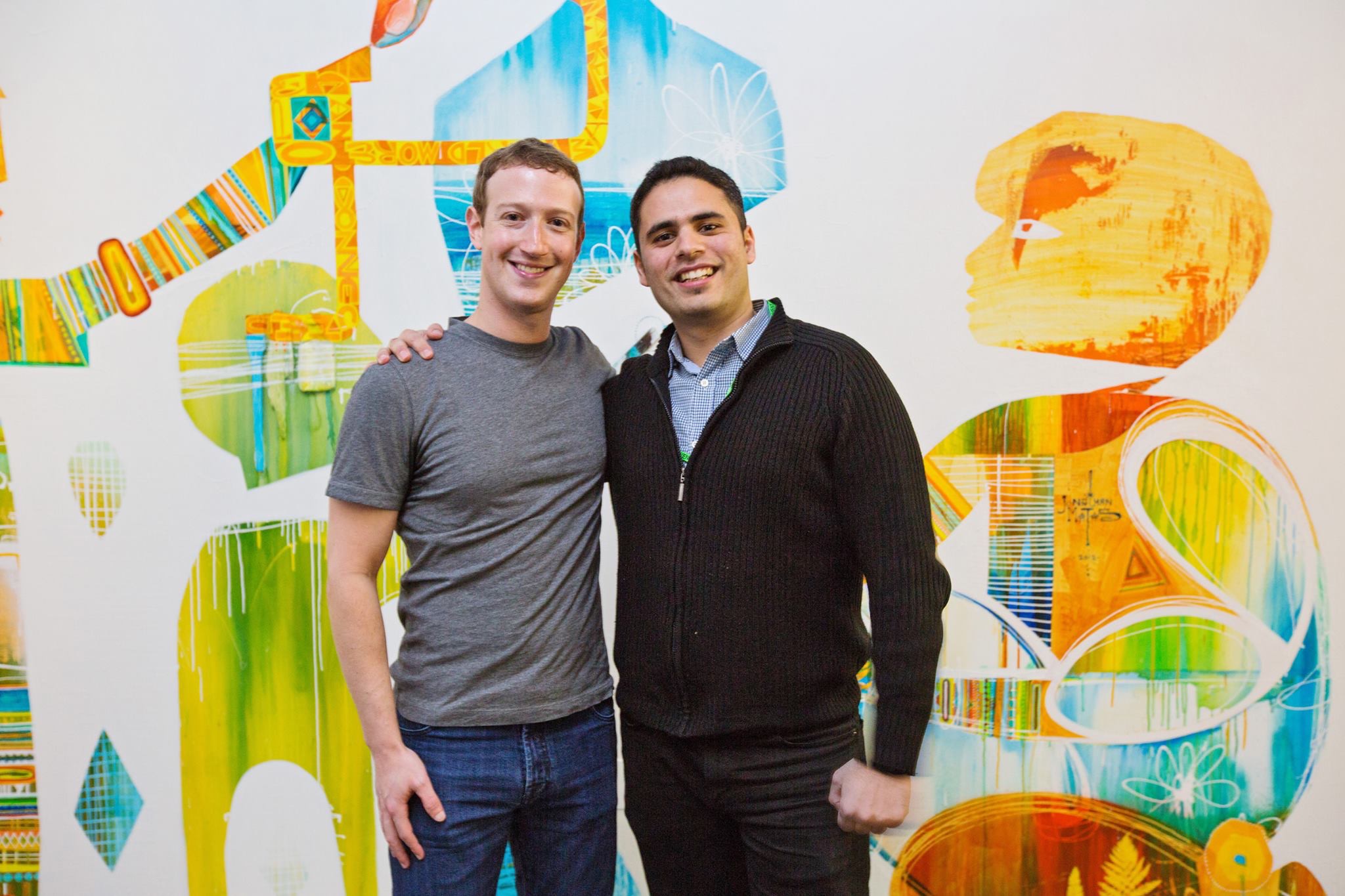
    Attending a town hall at Facebook’s Menlo Park offices, I never imagined I’d bump into Mark Zuckerberg. Literally. I turned a corner, and there he was, in all his hoodie-clad glory. I managed to stammer out a greeting, and we had a brief, yet enlightening chat about the future of technology. Note to self: always watch where you’re going. You might just run into a billionaire.

    CreativeLive and the Lewis Howes Surprise

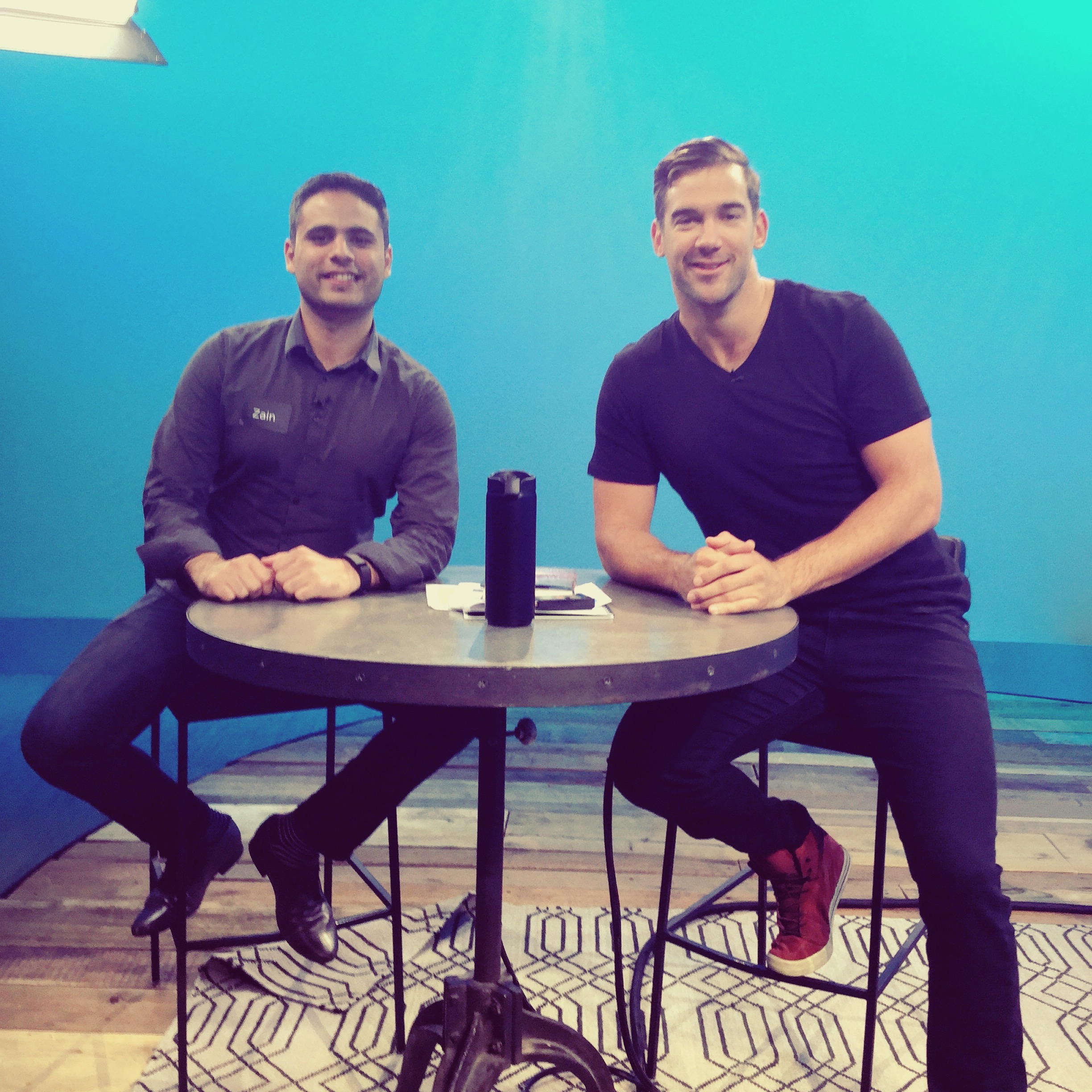
    I signed up for a CreativeLive class, expecting to learn a thing or two. What I didn’t expect was to score an interview with Lewis Howes, the man who turned adversity into a masterclass in success. It was like winning the lottery, but instead of money, I got wisdom. Pro tip: always sign up for random classes. You never know who you might meet.


    The Blazer Trick: Meeting Gary Vaynerchuk and Peter Thiel

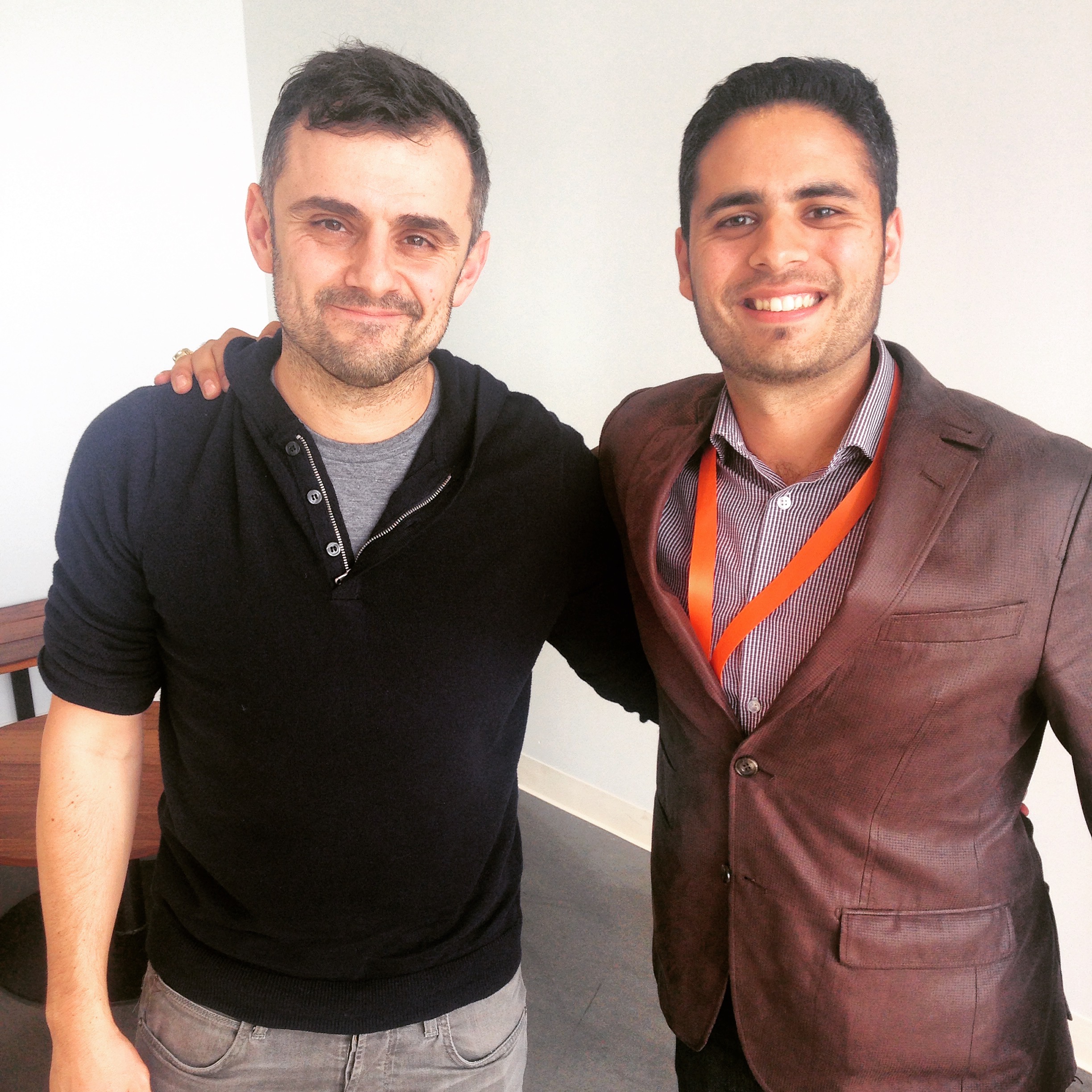
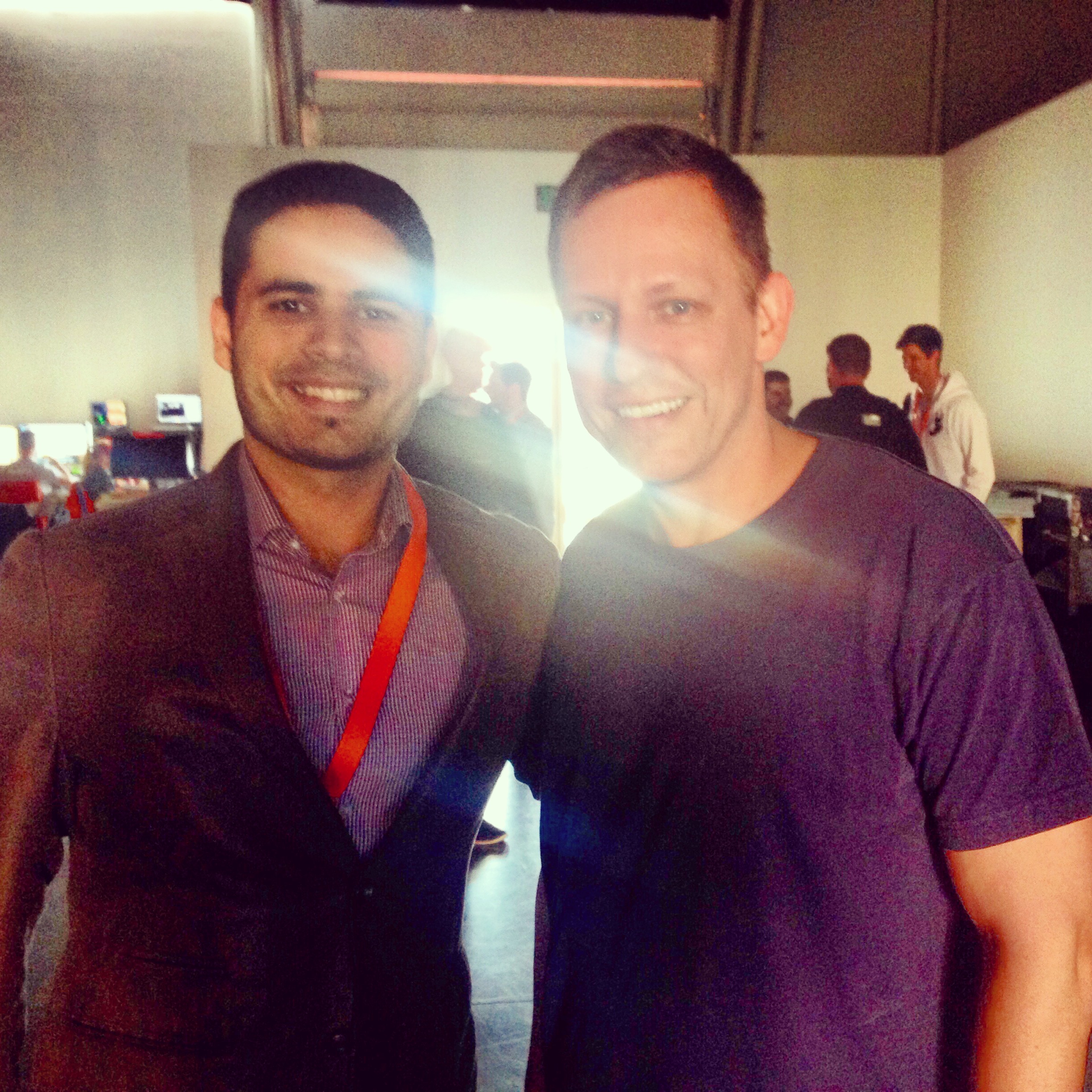
    San Francisco can be chilly, but wearing a blazer can sometimes get you places—literally. At a startup conference, I managed to sneak into the backstage area just because I looked the part. There, I bumped into Gary Vaynerchuk and Peter Thiel. It was like walking into a dream team of entrepreneurship. We had a quick chat about startups, the future of tech, and the art of sneaking into places. Moral of the story: dress for the part you want, not the part you have.


    Tim Cook in Paris: Oui Oui Apple

    While in Paris, I wandered into an Apple Store (as one does when in the city of lights and croissants). Who do I see? Tim Cook, casually browsing the latest gadgets. I mustered up the courage to say hello, and we had a brief chat about innovation and French pastries. Okay, maybe not the pastries, but still, it was a moment. Moral of the story: always check out the local Apple Store. You might meet someone important—or at least score a new iPhone.

    The Role of Cities in Serendipity

    Paul Graham’s essay on cities and their magnetic pull for ambitious people nails it. Cities like San Francisco, New York, and Paris are like giant magnets for serendipitous encounters. They’re the hotspots where magic happens, and not just because of the overpriced coffee. You can read Paul Graham’s essay here.

    Boosting Your Serendipity Quotient: A Foolproof Formula

    Want to increase your chances of these delightful accidents? Here’s a comedic (but surprisingly effective) formula:

    1. Be Curious (And Maybe a Little Nosy)

    Ask questions. All the questions. Even if it’s about whey protein. Curiosity didn’t kill the cat; it made friends for life.

    2. Slow Down

    Literally slow down. Walk at a snail’s pace if you have to. You never know who might catch up to you and change your life.

    3. Attend Random Events

    Sign up for everything. Classes, workshops, town halls. You might learn something, and you’ll definitely meet someone.

    4. Visit Great Cities

    Move to or visit cities known for their vibrant communities. They’re like serendipity playgrounds. Plus, they have great food.

    5. Embrace Online Communities

    Engage in online discussions. Join forums. Attend virtual events. The internet is a goldmine for chance encounters.

    6. Follow Your Passions

    Pursue what you love. Whether it’s coding, painting, or collecting rare stamps, you’ll meet like-minded people who could become pivotal in your journey.

    Final Thoughts

    Improving your serendipity quotient is all about being open, curious, and a tad bit bold. Put yourself out there, ask questions, and embrace the unexpected. Who knows? Your next life-changing encounter could be just around the corner—or at the local Apple Store.

  • In his book Greenlights, Matthew McConaughey shares profound insights about life, framed through the concept of recognizing and seizing opportunities. He compares these moments to green lights in traffic – signals that urge us to go, to move forward without hesitation. These green lights in our lives appear unexpectedly, offering us the chance to advance, grow, and transform. Yet, just as quickly as they appear, they can turn yellow and red, warning us to slow down or stop.

    This idea resonated with me deeply, particularly when I reflect on my skydiving experiences. Skydiving isn’t just about the adrenaline rush; it’s about trust, timing, and taking the leap. Before you jump, you look for the green light. That signal, albeit momentary, tells you everything is in place. You have a short window to make your move, to jump into the unknown, trusting that your preparation and instincts will carry you safely to the ground.

    In life, these green lights are our opportunities. They might come in the form of a new job offer, a chance to move to a new city, or even the opportunity to mend a broken relationship. The challenge is recognizing these moments and having the courage to act on them. We often hesitate, waiting for the perfect moment, fearing the unknown, or doubting our readiness. But just like in skydiving, waiting too long can cause us to miss our chance. The green light can turn yellow, signaling caution, and eventually red, signifying a missed opportunity.

    Seizing the Green Lights

    When I moved to Sydney for my job at Canva, it was one of those green light moments. Leaving behind the familiar and stepping into a new country was daunting, but the opportunity was too significant to pass up. It was a leap of faith that has shaped my career and personal growth in ways I couldn’t have imagined.

    Similarly, starting new ventures and exploring other opportunities were also green light moments. The ideas had been simmering in my mind, and when the right conditions aligned—the resources, the network, and the vision—I knew I had to take the jump before the opportunity slipped away.

    Lessons from Skydiving

    Skydiving teaches you to trust the process and to act decisively. Once the green light flashes, there’s no time to overthink. You jump, relying on your training and the support of your team. This decisiveness is crucial in life. When green lights appear, act on them. Trust your preparation, your instincts, and the support system around you.

    Greenlights

    Here are a few lessons from skydiving that can help you embrace life’s green lights:

    1. Preparation is Key: Just as skydivers train extensively before their jumps, prepare yourself for opportunities. Build your skills, expand your knowledge, and stay ready for when the green light appears.
    2. Trust Your Instincts: In the moment of the jump, there’s no room for doubt. Trust your gut feeling. If an opportunity feels right, it’s likely a green light moment.
    3. Act Quickly: Green lights don’t last forever. Once you recognize an opportunity, move swiftly. Delaying action can turn a green light into a missed chance.
    4. Embrace the Unknown: The thrill of skydiving is in the unknown. Similarly, life’s opportunities often come with uncertainties. Embrace them, knowing that growth comes from stepping out of your comfort zone.
    5. Rely on Your Support System: Whether it’s your friends, family, or professional network, having a reliable support system can make all the difference. They can provide guidance, encouragement, and a safety net when you take your leap.

    Matthew McConaughey’s Greenlights serves as a powerful reminder to recognize and seize life’s opportunities. Whether it’s a career move, a personal project, or a new adventure, the green lights are there, urging us to go. Drawing from my skydiving experiences, I’ve learned that these moments require preparation, trust, and decisive action.

    So, the next time you see a green light in your life, don’t hesitate. Take the jump. The window of opportunity is brief, but the rewards of embracing it are immense. Trust in yourself, your preparation, and your support system. Life’s greatest adventures and growth opportunities lie on the other side of that green light.

  • Gather around, folks, because it’s story time. Once upon a time, in the land of cubicles and polyester suits, there roamed mighty creatures known as corporations. These lumbering giants had many layers, like onions, but without the tears of joy. No, these were tears of sheer boredom from the endless meetings that could have been emails.

    The Corporate Giants: Dinosaurs in a Digital Age

    These corporate behemoths were slow to change, with decision-making processes that made sloths look like Usain Bolt. Want to switch to a new project management tool? That’ll take a meeting with ten committees, three PowerPoint presentations, and a sacrificial offering to the printer god (who, by the way, still won’t print).

    But fear not! There’s a new hero in town: Artificial Intelligence, or as I like to call it, “The Great Corporate Shrinker.” No longer must we suffer under the tyranny of endless paper jams and office birthday parties with flavorless sheet cakes. AI is here to liberate us from the shackles of office monotony!

    Why Humans Aren’t Built for the Office Life

    First, let’s address the elephant in the boardroom: humans are not designed to sit in front of computers all day. Our ancestors didn’t spend their days hunched over a desk; they were out hunting mammoths or foraging for berries. Today, our hunting and gathering involve searching for Wi-Fi and foraging for snacks from the breakroom vending machine. It’s time for a change!

    Sitting all day isn’t just bad for our health; it also turns us into corporate zombies, complete with the thousand-yard stare and a hunger for coffee instead of brains. Seriously, sitting in front of a computer for eight hours a day is the adult version of being grounded, but without the youthful energy or rebellious spirit to protest it.

    The Rise of AI-Powered, Lean Machines

    Enter the era of the AI-powered, lean, mean business machine. Imagine this: a three-person team that can build and scale a billion-dollar company while sipping lattes and wearing sweatpants. That’s right, sweatpants! AI is here to make your wildest, comfiest business dreams come true.

    Here’s how these three-person teams are going to take over the world:

    1. Automated Mundanity: AI is like your super-efficient assistant who never takes a coffee break or complains about the printer. It handles all the boring stuff, so you can focus on the big ideas, like whether to use Comic Sans ironically in your next pitch deck.
    2. Data-Driven Decisions: Remember that time you made a decision based on a gut feeling, and it turned out to be a bad burrito? AI uses data to make decisions that won’t leave you with regrets (or indigestion). It’s like having a crystal ball that actually works!
    3. Scalability on Steroids: AI allows small teams to do the work of armies. Imagine a three-person team running a billion-dollar company, making you question why you needed all those extra cousins on your startup’s payroll.
    4. Collaboration Without the Awkward Small Talk: AI tools let teams collaborate seamlessly from anywhere in the world. So, you can finally ditch the office and work from that beach in Bali you’ve been dreaming about. Just watch out for seagulls; they have no respect for personal space.
    5. Personalization and Customer Engagement: AI can analyze customer data faster than you can say “synergy.” It helps create personalized experiences that make customers feel special, like the VIPs they think they are.

    The Grand Finale: Embracing the AI-Powered Future

    So, there you have it. The death of the corporate giant isn’t a tragedy; it’s a comedy of errors that’s finally being corrected by AI. The future is here, and it’s smaller, smarter, and so much more stylish.

    Let’s embrace this new era where billion-dollar companies are built by teams that can fit in an elevator (if elevators are still a thing). It’s time to say goodbye to the corporate structures of the past and hello to a future where AI and human ingenuity create the perfect workplace: one with no meetings, no suits, and definitely no sheet cakes.

    In this brave new world, your only challenge will be deciding which pair of sweatpants to wear to your next billion-dollar brainstorm. Welcome to the future, where work is fun, and life is good!

  • The other day, I was sitting in a cozy café in Canggu, sipping on some fantastic Balinese coffee. As I enjoyed the rich flavors, I struck up a conversation with a stranger. She was a researcher at a university, but she was fed up with staring at a computer screen all day and just wanted to be free of that life. Her words got me thinking about how far we’ve strayed from our roots.

    Picture this: our ancestors roaming around, hunting, gathering, and living in tight-knit tribes. It was like one big, epic camping trip—minus the WiFi, but plus a lot of mammoths. They were constantly on the move, soaking up the great outdoors, and, most importantly, they had each other. Fast forward to today, and most of us are glued to our chairs, hunched over keyboards, and our idea of social interaction is a Zoom meeting with the cat walking across the screen.

    We humans are social animals. Our ancestors didn’t just survive because they could run fast or wrestle a bear—they thrived because they had strong social bonds. Now, we’re more likely to bond with our Netflix accounts than with real people. And let’s not even talk about the physical toll of our sedentary lifestyles. We were built for movement, not for morphing into the shape of our office chairs.

    So, as I sat there with my new friend, we started brainstorming how we can bring a bit of that primal lifestyle back into our modern world. Here’s what we came up with:

    1. Move More:
      Our ancestors didn’t have step counters, but they’d totally crush those 10,000 steps a day. We need to get off our butts and move! Take a walk, dance in your living room, or just stand up every once in a while. Your body will thank you.
    2. Make Real Connections:
      Not just “likes” and “retweets,” but actual face-to-face (or at least voice-to-voice) conversations. Catch up with friends, join a club, or just chat with your neighbor. Remember, the cat doesn’t count (no matter how much it judges you).
    3. Rethink Work Spaces:
      Offices don’t have to feel like prison cells. Create spaces that encourage interaction and collaboration. Maybe add a ping-pong table or a cozy lounge area. Anything to make work feel less like, well, work.
    4. Get Outside:

      Mother Nature is calling, and she’s got way more to offer than your cubicle. Go for a hike, have a picnic, or just sit under a tree and breathe. It’s good for the soul.
    5. Seek Adventure:
      Channel your inner Indiana Jones (minus the giant boulders). Try new activities, explore unfamiliar places, and embrace the unknown. Life’s too short for routine.
    6. Unplug Regularly:
      Technology is great, but sometimes we need to hit the off switch. Set aside time to disconnect from screens and reconnect with the real world. Your brain will thank you.

    After this deep dive over coffee, I walked out of that café feeling inspired to bring a little more adventure, connection, and movement into my life. It’s all about finding a balance between our ancient instincts and modern life. So, let’s get out there, explore, and remember: we were designed for so much more than sitting at computers. Let’s make our ancestors proud—mammoth wrestling optional.

  • Life can often feel chaotic, a series of disjointed events and experiences. But what if we viewed it differently? Imagine your life as a book, with each stage, experience, and lesson neatly organized into parts, sections, chapters, and pages. This perspective can help you make sense of your journey, reflect on your past, and plan your future with purpose.

    Part I: The Foundation

    Section 1: Early Years

    Chapter 1: Beginnings
    Every story starts somewhere. Your early years are the prologue to your life’s book, filled with the foundational experiences that shape who you are. Reflect on your childhood memories, family influences, and the early lessons you learned.

    Chapter 2: Education and Growth
    This chapter covers your formative years in school, the friendships you made, the challenges you faced, and the knowledge you gained. It’s where you began to form your identity and aspirations.

    Part II: The Formative Years

    Section 2: Early Adulthood

    Chapter 3: Discovering Independence
    As you transition from adolescence to adulthood, this chapter captures the excitement and uncertainty of newfound independence. Think about your first job, college experiences, and the initial steps towards your career.

    Chapter 4: Building Relationships
    Relationships play a crucial role in shaping your life. This chapter is dedicated to the friends, mentors, and romantic partners who influenced you, offering support, love, and life lessons.

    Part III: Professional and Personal Milestones

    Section 3: Career Development

    Chapter 5: The Professional Path
    Your career journey deserves its own section. Discuss the different jobs you’ve held, the skills you’ve developed, the successes you’ve celebrated, and the setbacks you’ve overcome.

    Chapter 6: Major Projects and Achievements
    Highlight the significant projects and achievements that have defined your professional life. These are the milestones that have brought you pride and recognition.

    Section 4: Personal Growth

    Chapter 7: Health and Well-being
    This chapter focuses on your physical, mental, and emotional health. Reflect on your fitness routines, health challenges, and the steps you’ve taken towards well-being.

    Chapter 8: Pursuing Passions
    Everyone has passions and hobbies that bring joy and fulfillment. Detail the activities, interests, and pursuits that have enriched your life outside of work.

    Part IV: Reflections and Forward Planning

    Section 5: Lessons Learned

    Chapter 9: Wisdom and Insights
    Reflect on the lessons you’ve learned throughout your journey. What wisdom have you gained? What insights have shaped your worldview?

    Chapter 10: Overcoming Adversity
    Adversity is an inevitable part of life. Discuss the challenges and obstacles you’ve faced and how you’ve overcome them, highlighting your resilience and growth.

    Part V: The Future

    Section 6: Setting Goals

    Chapter 11: Short-term Plans
    Outline your short-term goals and the steps you plan to take to achieve them. These could be career aspirations, personal development targets, or relationship goals.

    Chapter 12: Long-term Vision
    Look ahead to the distant future. What is your vision for the next 10, 20, or even 30 years? This chapter is about dreaming big and setting a direction for your life’s journey.

    References and Appendices

    References: Influences and Inspirations
    No book is complete without references. List the people, books, experiences, and philosophies that have influenced you. These references are the sources of your inspiration and guidance.

    Appendices: Additional Information
    Finally, include appendices for additional information that doesn’t fit neatly into the chapters. This could be detailed plans, personal reflections, or letters to your future self.

    Viewing your life as a book allows you to see the structure and narrative in your experiences. It helps you understand how each part of your life fits into the bigger picture. By dividing your journey into parts, sections, chapters, and pages, you can appreciate your past, navigate your present, and plan for a fulfilling future. So, take a moment to step back and see your life through the lens of a storyteller. Your book is unique, compelling, and far from finished.

  • “The happiest people are those who don’t need to compare themselves to others.”

    In a delightful, eye-opening conversation with an old classmate during a recent phone call, he shared a YouTube gem that had me chuckling, nodding, and reflecting all at once. The video titled “The Paradox of Happiness” (seriously, give it a watch here) dives deep into why those bronze medalists are grinning like Cheshire cats, while the silver medalists look like someone just stole their lunch money.

    Olympics: The Bronze Medal Smile

    It’s no secret that the Olympics is the ultimate showdown of human athleticism and spirit. But have you noticed the podium paradox? Our bronze medalists are over the moon, hugging everyone in sight, while the silver medalists have that “I-just-missed-the-bus” look. It turns out, winning third place is a relief—you made it on the podium! Silver, on the other hand, is a stark reminder of just how close you were to the gold. It’s like winning second place in a pie-eating contest—great effort, but you’re just full of regret (and pie).

    Airplanes: Economy Class Revelry

    Take to the skies, and you’ll see this happiness paradox play out in the cabin. First-class passengers, with their gourmet meals and lie-flat beds, often look the most stressed. They’ve paid a fortune for comfort and are worried about getting every penny’s worth. Meanwhile, in economy, folks are toasting their tiny wine bottles, binge-watching movies, and swapping snacks like it’s a mid-air potluck. Why? Expectations are everything. Economy travelers know they’re getting a cramped seat and a snack pack, so any extra comfort feels like winning the travel lottery.

    Streets: Joyful Hatchbacks

    Strolling down the street, the phenomenon continues. Flashy luxury cars zoom by, their drivers often looking like they’re carrying the weight of the world (and their hefty car payments). Contrast that with drivers of small hatchbacks—they’re blasting music, windows down, living their best lives. It’s a reminder that sometimes, less really is more. When you’re not tied to the stress of maintaining an image, you’re free to enjoy the simple pleasures—like singing off-key to your favorite tunes at a stoplight.

    After our phone conversation, my classmate share these quotes over text and got me reflecting:

    “Reality is that which, when you stop believing in it, doesn’t go away.” — Philip K. Dick

    This quote underscores the importance of accepting reality as it is, without the distortions of our perceptions and expectations. Our misery often stems from our refusal to accept things as they are, rather than how we wish them to be. The bronze medalists are content because they accept their reality—third place is still a win. Silver medalists, however, are caught up in what could have been, struggling to accept their near miss of the gold.

    “Reality is neither good nor bad. It is our judgements that cause our distress, and not the reality itself. It is in our power to have no opinion about a situation, and not to be disturbed in our soul.” — Marcus Aurelius

    Marcus Aurelius reminds us that it’s not the events themselves that cause our suffering, but our interpretations of those events. This ties back to the airplane scenario: first-class passengers may feel stressed because their high expectations aren’t always met. Economy passengers, with their lower expectations, find joy in the little extras. By adjusting our judgments and expectations, we can find contentment in any situation.

    So, next time you’re feeling the weight of comparison, remember the bronze medalists, the economy travelers, and the hatchback drivers. Happiness isn’t about having the best of everything; it’s about making the best of what you have. And as always, a good laugh helps too.

  • The tech landscape is constantly evolving, and Apple has once again positioned itself at the forefront of innovation with the introduction of Apple Intelligence for iPhone, iPad, and Mac. Announced on June 20, 2024, this groundbreaking development promises to revolutionize the way we interact with our devices. But beyond the immediate consumer applications, Apple Intelligence has profound implications for the hosting world. Let’s explore what this means for web hosting services and how it could reshape the industry.

    Apple Intelligence in 5 Minutes

    A New Era of Intelligent Hosting

    Apple Intelligence introduces a suite of AI-driven features that enhance user experience, streamline workflows, and provide deeper insights into user behavior. For hosting providers, this technology opens up a wealth of opportunities to offer smarter, more efficient services.

    1. Enhanced Security and Monitoring
      • Proactive Threat Detection: Apple Intelligence’s advanced machine learning algorithms can be adapted for web hosting to detect and mitigate security threats in real time. This means hosting providers can offer an additional layer of security, identifying and neutralizing potential attacks before they compromise data.
      • Automated Incident Response: With AI-driven monitoring, hosting services can automatically respond to incidents, reducing downtime and ensuring that issues are resolved swiftly without human intervention.
    2. Optimized Performance Management
      • Predictive Analytics: By leveraging Apple Intelligence, hosting providers can anticipate traffic spikes and allocate resources dynamically, ensuring optimal performance during high-demand periods. This predictive capability can minimize latency and improve the overall user experience.
      • Resource Allocation: Intelligent resource management can lead to more efficient use of server capacity, reducing costs for hosting providers and offering more competitive pricing for customers.
    3. Personalized User Experience
      • Tailored Hosting Solutions: Hosting providers can use AI to analyze customer needs and offer personalized hosting plans. Whether a customer needs extra bandwidth for a high-traffic site or additional security for an e-commerce platform, AI can suggest the best options based on historical data and current trends.
      • Customer Support: AI-driven chatbots and virtual assistants can provide 24/7 support, resolving common issues instantly and freeing up human support teams to tackle more complex problems.

    The Shift to Edge Computing

    Apple Intelligence emphasizes on-device processing, which aligns with the growing trend towards edge computing. For hosting providers, this means a potential shift in how data is processed and stored.

    1. Reduced Latency: By processing data closer to the source (i.e., the user), edge computing significantly reduces latency. Hosting providers can leverage this by setting up edge servers that bring content closer to the end user, enhancing speed and performance.
    2. Decentralized Architecture: This shift towards decentralized data processing can lead to more robust and resilient hosting architectures. With less reliance on central data centers, hosting providers can reduce the risk of large-scale outages and ensure better uptime for their customers.

    Implications for Data Privacy

    Apple has long been an advocate for user privacy, and Apple Intelligence continues this tradition by processing data on-device wherever possible. For the hosting world, this has significant implications:

    1. Enhanced Privacy Measures: Hosting providers can adopt similar on-device processing techniques to enhance user privacy. By minimizing data transfer to central servers, they can reduce the risk of data breaches and ensure that user information is better protected.
    2. Compliance with Regulations: As data privacy regulations become more stringent worldwide, on-device processing can help hosting providers comply with these laws. This approach can simplify data management and reduce the complexity associated with data protection compliance.

    The Future of Hosting with Apple Intelligence

    The introduction of Apple Intelligence marks a significant milestone in the tech world, with far-reaching implications for the hosting industry. By integrating AI-driven features, optimizing performance through predictive analytics, embracing edge computing, and enhancing data privacy, hosting providers can offer superior services that meet the evolving needs of their customers.

    As we look to the future, it’s clear that the hosting world must adapt to these advancements. Those who embrace Apple Intelligence and the broader AI revolution will be well-positioned to lead the industry, offering innovative, secure, and efficient hosting solutions that cater to the demands of the modern digital landscape.

    The era of intelligent hosting is upon us, and it’s time for the industry to rise to the occasion. With Apple Intelligence, the possibilities are endless, and the future looks brighter than ever.

    For a closer look at Apple Intelligence, you can check out the official Apple Newsroom announcement and watch the detailed Apple Intelligence introduction video. These resources provide in-depth information and a visual walkthrough of the new features and capabilities that Apple Intelligence brings to the table.

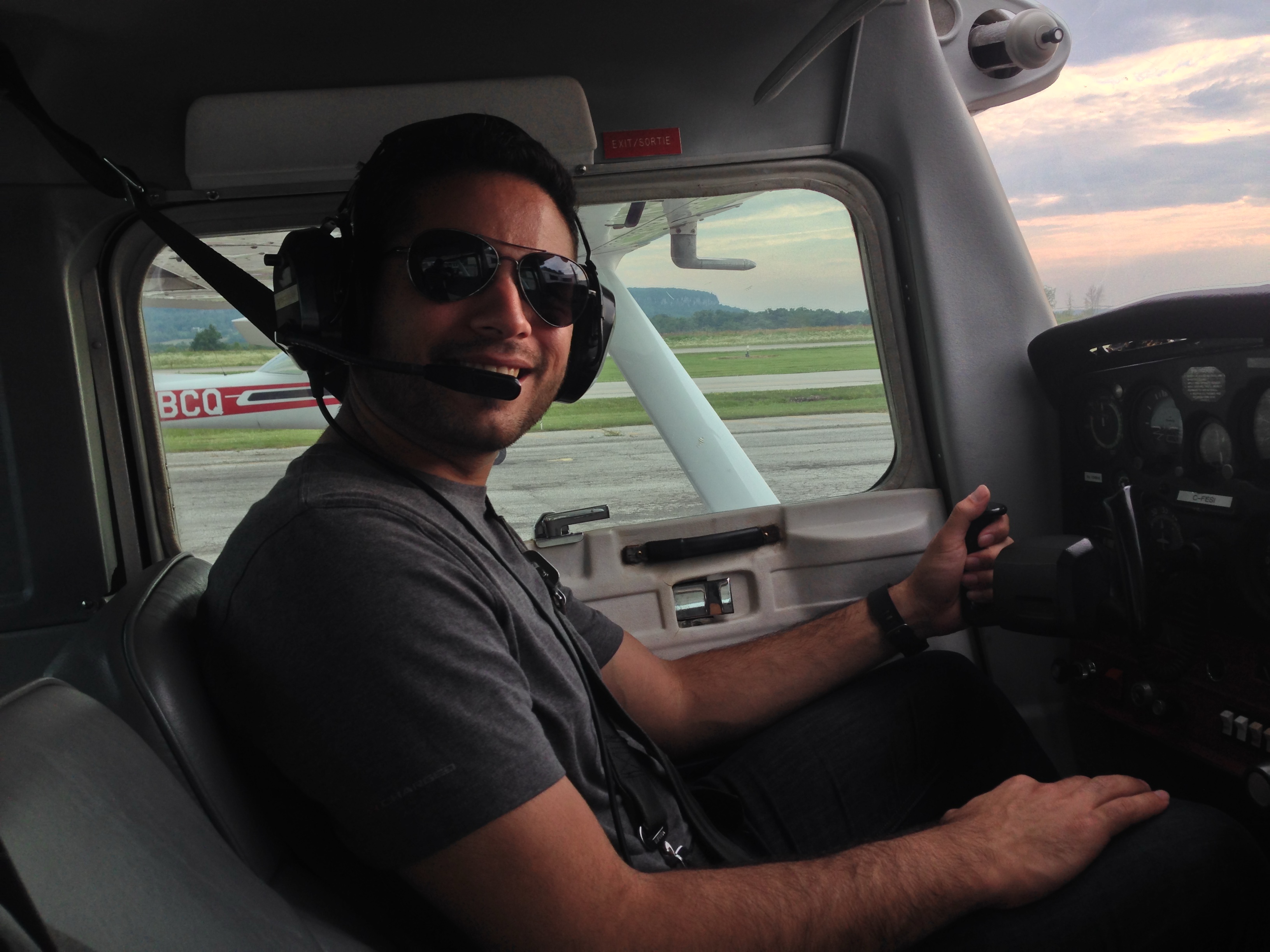
  • It was July 18, 2015, when my mom pulled off the surprise of a lifetime. Forget the usual birthday cake and gift card—she booked flying lessons for me, my sister, and my brother-in-law at the local executive airport in Oakville, Ontario, Canada. This wasn’t just a cool gift; it was the spark that ignited my passion for aviation.

    My First Flight

    Fast forward through sporadic flying lessons (thanks to a busy travel and work schedule that kept me grounded more often than not), and we land smack in the middle of the COVID-19 pandemic. I’m living in downtown Toronto, right next to the CN Tower and Billy Bishop Airport—a gem built on a tiny island just a five-minute tunnel walk from my condo. It’s probably the most charming airport you’ve never heard of.

    Billy Bishop Airport 5 minute walk to my Condo

    During COVID, I was working for Canva, an Australian-based company. This meant my work hours were from 5 PM to 1 AM to align with my team in Sydney. The upside? My days were free to do whatever I pleased. One morning, while sipping coffee on my condo balcony, I glanced at the wind sock on the airport runway and thought, “Wouldn’t it be cool to fly around during this lockdown while all the commercial flights are grounded?”

    Seeing the Windsock and Airport Runway from my Condo Balcony

    A quick Google search later, I stumbled upon “Alec Myers Training,” run by a British pilot with a one-plane flying school. He taught in a sleek, modern German plane called the Grob 115C, which had the same airframe as an airforce plane. It sounded like a dream come true—until reality set in.

    The Grobe 115c

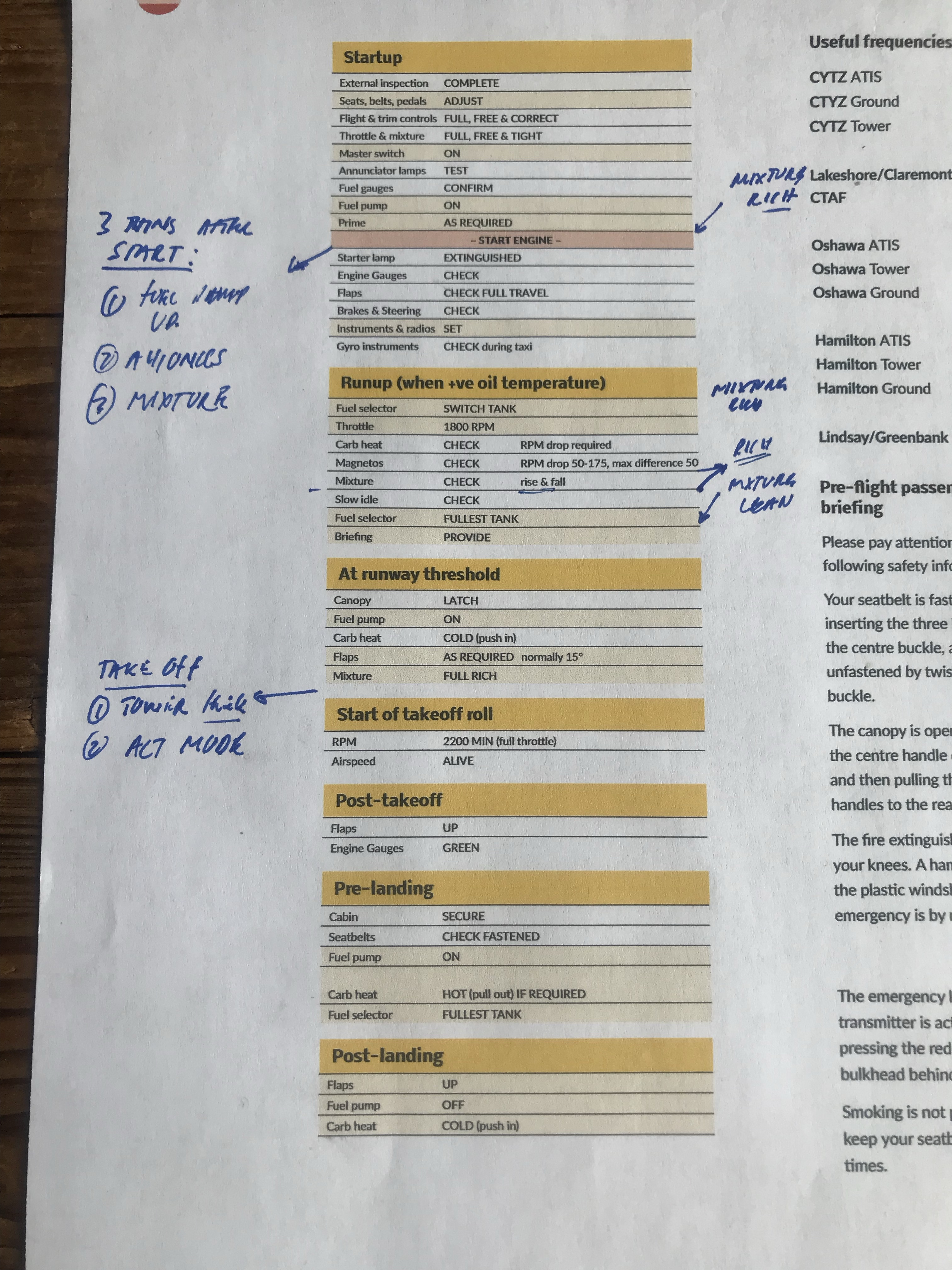
    Learning to fly is not an easy weekend hobby. It requires a Medical Aviation Exam, constant studying of topics like Aerodynamics and Theory of Flight, Airframes, Engines & Systems, Aircraft Fuel, Mixture Control, and the Ignition System. Just to name a few.

    Then there were the practical exercises: Stalls, Spins, Spirals, Engine failure in circuit, Overshoot, Crosswind landings, Runway changes, Communication Failures, Emergency procedures, and a 150 nautical mile solo cross-country. Not to mention the basics like flying STRAIGHT AND LEVEL, CLIMBS AND DESCENTS, STEEP TURNS, SLOW FLIGHT, and LANDINGS.

    Landing at Billy Bishop Airport

    Radio training was a whole other beast. I had to learn the phonetic alphabet, communicate effectively with Air Traffic Control, and understand and read the weather. Pre-flight checks became a ritual—checking oil, fuel, and maintenance logs.

    Balancing this with my demanding product job at Canva was like trying to juggle chainsaws while riding a unicycle. But what an adventure it was! Flying over downtown Toronto, taking off behind commercial airplanes, and seeing my city from a bird’s-eye view was nothing short of magical.

    Waiting for Air Canada Dash 8 to pass at the Runway

    And let’s not forget the Toronto weather! I got to experience flying in all conditions: the humid summers where I felt like I was flying through a sauna; the beautiful fall, where the vibrant colors below made every flight picturesque; the icy winters that tested my skills and nerve, making me feel like a true aviator braving the elements; and the unpredictable spring, where one minute it’s sunny and the next, you’re navigating through a rainstorm.

    Stalling the plane over snow covered Toronto Boonies

    Through this high-flying journey, I’ve learned several life lessons that have profoundly impacted my career and personal life:

    1. Preparation is Key: Just like pre-flight checks are crucial to a safe flight, preparation in any project or task ensures smoother execution and fewer surprises.

    2. Stay Calm Under Pressure: Handling emergency procedures in the air taught me to maintain my composure during high-stress situations, a skill that’s invaluable in both professional and personal crises.

    3. Continuous Learning: Aviation demands constant learning and adaptation, similar to the ever-evolving tech industry. Embracing this mindset keeps me sharp and ready to tackle new challenges.

    4. Attention to Detail: Small oversights in aviation can have big consequences. This attention to detail has translated into my work, ensuring that I catch potential issues before they become problems.

    5. Resilience and Perseverance: Learning to fly wasn’t easy and required persistence through failures and setbacks. This resilience has helped me push through tough times in my career and personal endeavors.

    6. Clear Communication: Effective communication with Air Traffic Control is vital for safety. Similarly, clear and concise communication in the workplace fosters better collaboration and reduces misunderstandings.

    Flying over Icy downtown Toronto in January

    So, if you’re ever sipping coffee on your balcony and see a wind sock waving at you, maybe it’s a sign. Just be prepared for a rollercoaster of a journey filled with highs, lows, and a whole lot of studying. But trust me, it’s worth every moment.

    And that, folks, is how I navigated the not-so-clear skies of learning to fly. Next up, maybe I’ll figure out how to land without white-knuckling the controls.

  • A Trip Down Memory Lane

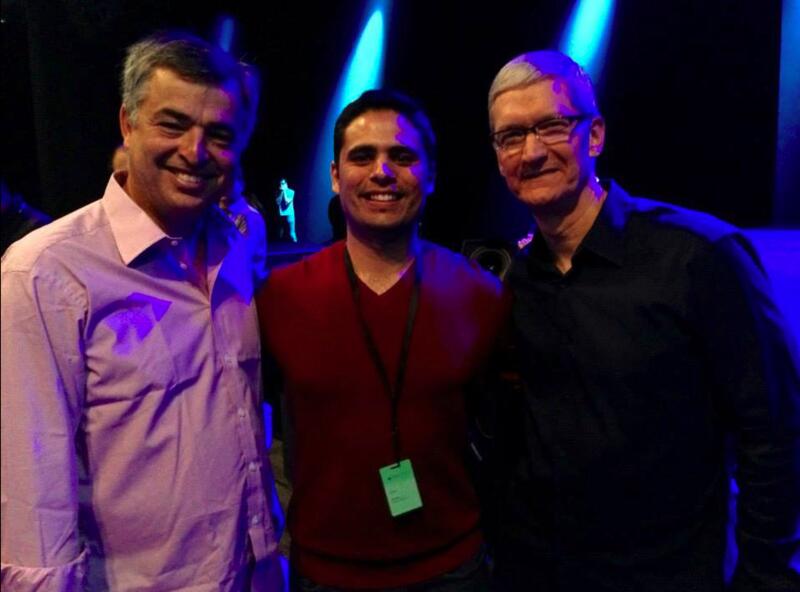
    First things first, let’s take a nostalgic trip back to 2014. Picture this: a younger, more optimistic me, wide-eyed and bushy-tailed at the Apple Developer Conference, witnessing the grand reveal of Swift. Ah, the days when we thought Objective-C was the pinnacle of programming languages! Fast forward to today, and I’m happy to report that WWDC 2024 has been the most thrilling event since that fateful year.

    Innovations Unveiled

    Apple didn’t hold back this year. From groundbreaking hardware to revolutionary software, here’s a quick rundown of the showstoppers:

    1. Vision Pro: Apple’s leap into augmented reality with Vision Pro is a game-changer. It promises a seamless blend of the digital and physical worlds, making sci-fi dreams come true.
    2. iOS 17: The latest iteration of iOS brings a host of new features, including smarter Siri, advanced privacy controls, and a revamped messaging system.
    3. watchOS 10: With new health monitoring capabilities and even more customization options, your Apple Watch just became an even more indispensable part of your life.
    4. macOS Quokka: Yes, you read that right. Apple’s latest macOS is named after the happiest animal on Earth, and it’s packed with features to make your Mac experience even more delightful.
    Highly recommend watching the keynote


    What This Means for Companies Like Canva and Grammarly

    Now, let’s dive into what these innovations mean for companies like Canva, Grammarly, and the burgeoning generative AI industry.

    Matt Mullenweg recently mentioned, “I think it’s actually going to turn the hosting world upside down because complex transformations that would be difficult to run on the server-side will be trivial to run client-side with these millions and billions of processors being distributed through people’s smartphone upgrades.” And he’s absolutely right!

    For companies like Canva and Grammarly, this means unprecedented opportunities. Canva can harness the power of AR with Vision Pro to create immersive design experiences. Imagine designing a brochure in a virtual workspace, collaborating with team members from around the globe in real-time. Grammarly, on the other hand, can leverage the enhanced AI capabilities of iOS 17 to provide even more context-aware writing suggestions, making us all sound like Shakespeare reincarnate (minus the frilly collars).

    Generative AI Companies: Buckle Up!

    Generative AI companies, brace yourselves. The advanced processing power of Apple’s latest devices means more complex models can be run client-side, reducing latency and enhancing user experiences. Picture this: real-time video editing with AI-driven effects, instantaneous voice translations, and on-the-fly content creation, all happening right on your device. The future is here, and it’s powered by Apple’s silicon.

    Capabilities Now Available to iOS Developers

    For developers, the possibilities are endless. With the new APIs and tools introduced in iOS 17, we can now:

    • Create AR Experiences: The Vision Pro SDK allows us to build augmented reality applications that are more immersive and interactive than ever before.
    • Leverage On-device Machine Learning: The updated Core ML framework lets us run complex ML models directly on the device, making applications faster and more efficient.
    • Enhanced Privacy Controls: With the new privacy features, we can build apps that respect user data more than ever, fostering trust and loyalty among our user base.

    Renewed Excitement for Building

    This WWDC has reignited my passion for building. I’ve dusted off my coding gloves, renewed my Apple Developer account, and I’m ready to dive back into the world of app development. The thrill of turning ideas into reality, powered by Apple’s latest innovations, is a feeling I haven’t had since 2014.

    Final Thoughts

    In conclusion, WWDC 2024 has set a new benchmark for innovation. For companies like Canva, Grammarly, and the entire generative AI industry, the future looks brighter than ever. As we embrace these new tools and technologies, we’re not just building apps; we’re shaping the future of human-computer interaction.

    So, here’s to the future, to the innovations, and to the endless possibilities that lie ahead. Now, if you’ll excuse me, I’ve got some code to write and a developer account to explore!


    Note: Any resemblance to actual persons, living or dead, or actual events is purely coincidental. Except for me attending the Apple Developer Conference in 2014. That actually happened.

  • Once upon a time, in the chaotic land of 2010, I was running my own startup. And let me tell you, managing a startup is like juggling flaming torches while riding a unicycle on a tightrope. Overwhelming doesn’t even begin to cover it. My to-do list included Business Development, Product, Sales & Marketing, Partnerships, Team, Hiring, and every other task you could imagine. If you looked up “multitasking” in the dictionary, you’d see my picture, complete with frazzled hair and wild eyes.

    Then, like a beacon of hope in a stormy sea of tasks, I came across an article about Jack Dorsey. You know, the guy who was running both Square and Twitter at the time. I thought, “If this guy can manage two companies without turning into a lunatic, maybe I can learn a thing or two.”

    Jack’s secret? Themed days. Here’s the quote from this article that changed my life (or at least made it slightly less chaotic):

    “The way I found that works for me is I theme my days. On Monday, at both companies, I focus on management and running the company…Tuesday is focused on product. Wednesday is focused on marketing and communications and growth. Thursday is focused on developers and partnerships. Friday is focused on the company and the culture and recruiting. Saturday I take off, I hike. Sunday is reflection, feedback, strategy, and getting ready for the week.”

    I decided to give this theming thing a shot. After all, if it worked for Jack Dorsey, it had to have some merit, right? So, I set up my own themed days:

    Monday: Business Development & Strategy

    Tuesday: Product Development

    Wednesday: Growth & Marketing

    Thursday: Partnerships

    Friday: Team

    Saturday: Outdoors (Hiking, Flying, Swimming)

    Sunday: Planning and Getting Ready for the Week

    I themed my work week just like I themed my workout week. You know, leg day, arm day, chest day, and, of course, cheat day. Because just like your muscles need a balanced workout, your job as an entrepreneur and product builder needs a balanced workload.

    The first Monday rolled around, and I was all about Business Development & Strategy. By Tuesday, I was deep into Product Development, feeling like a mad scientist in my lab. Wednesday had me donning my marketing hat, conjuring up growth strategies like a wizard with a wand. Thursday was all about Partnerships, and I networked so hard I almost became LinkedIn itself. Friday was for the Team, and I felt like the coach of an underdog sports movie, rallying the troops for the big game.

    Saturday? Ah, sweet Saturday. Outdoors day. I hiked, flew, and swam like I was auditioning for an adventure movie. By Sunday, I was planning and getting ready for the next week, feeling like a Zen master preparing for another round of startup madness.

    Now, here’s the kicker: the weeks I actually stuck to my themed days were my best weeks. I was productive, satisfied, and felt like I had my life together. The weeks I didn’t follow the themes? Well, let’s just say those were the weeks my hair started looking more like Einstein’s.

    So, if you’re feeling overwhelmed, try theming your days. It might just save your sanity. And if it doesn’t, at least you’ll have an excuse to spend Saturdays hiking instead of glued to your laptop.

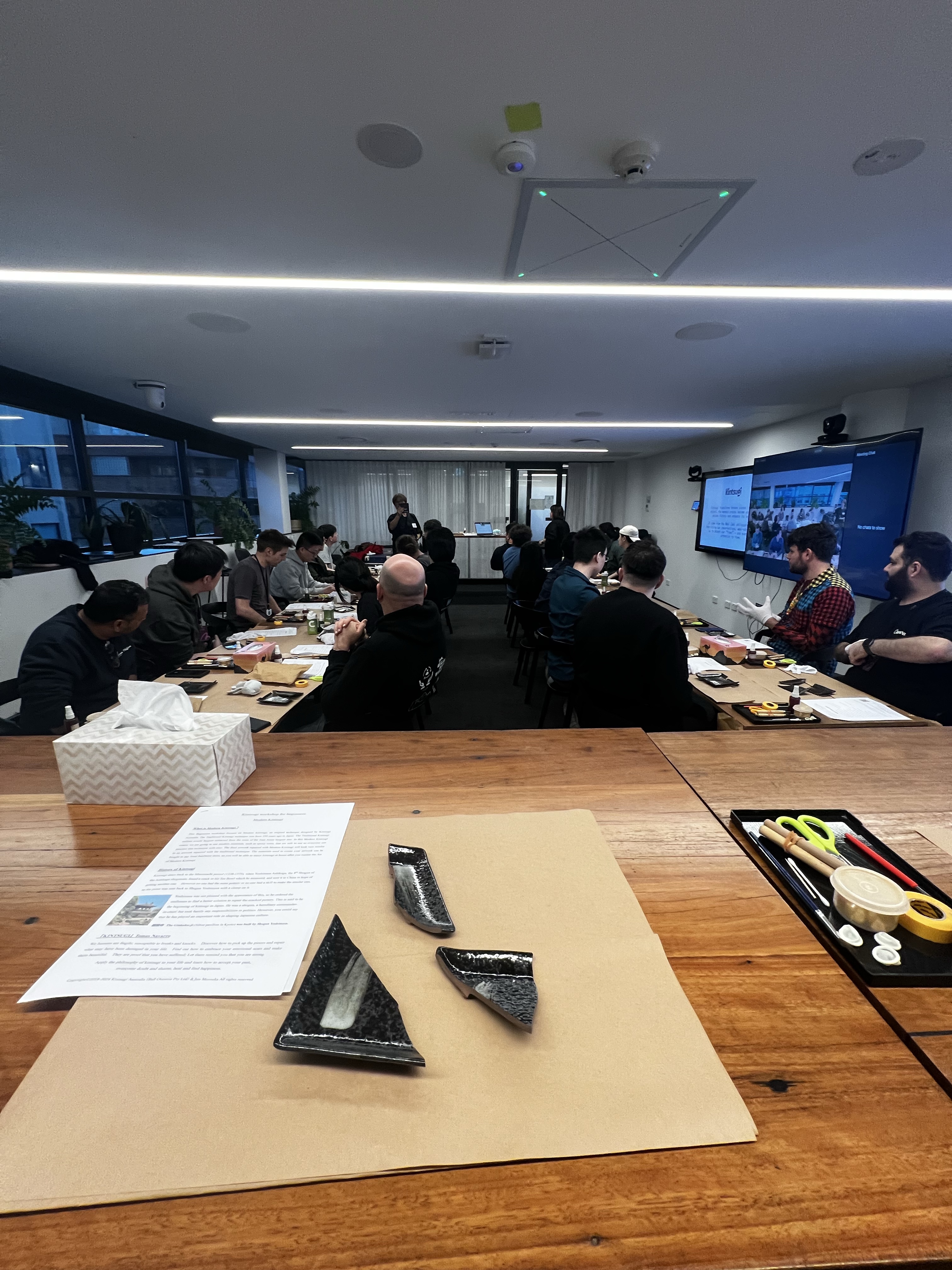
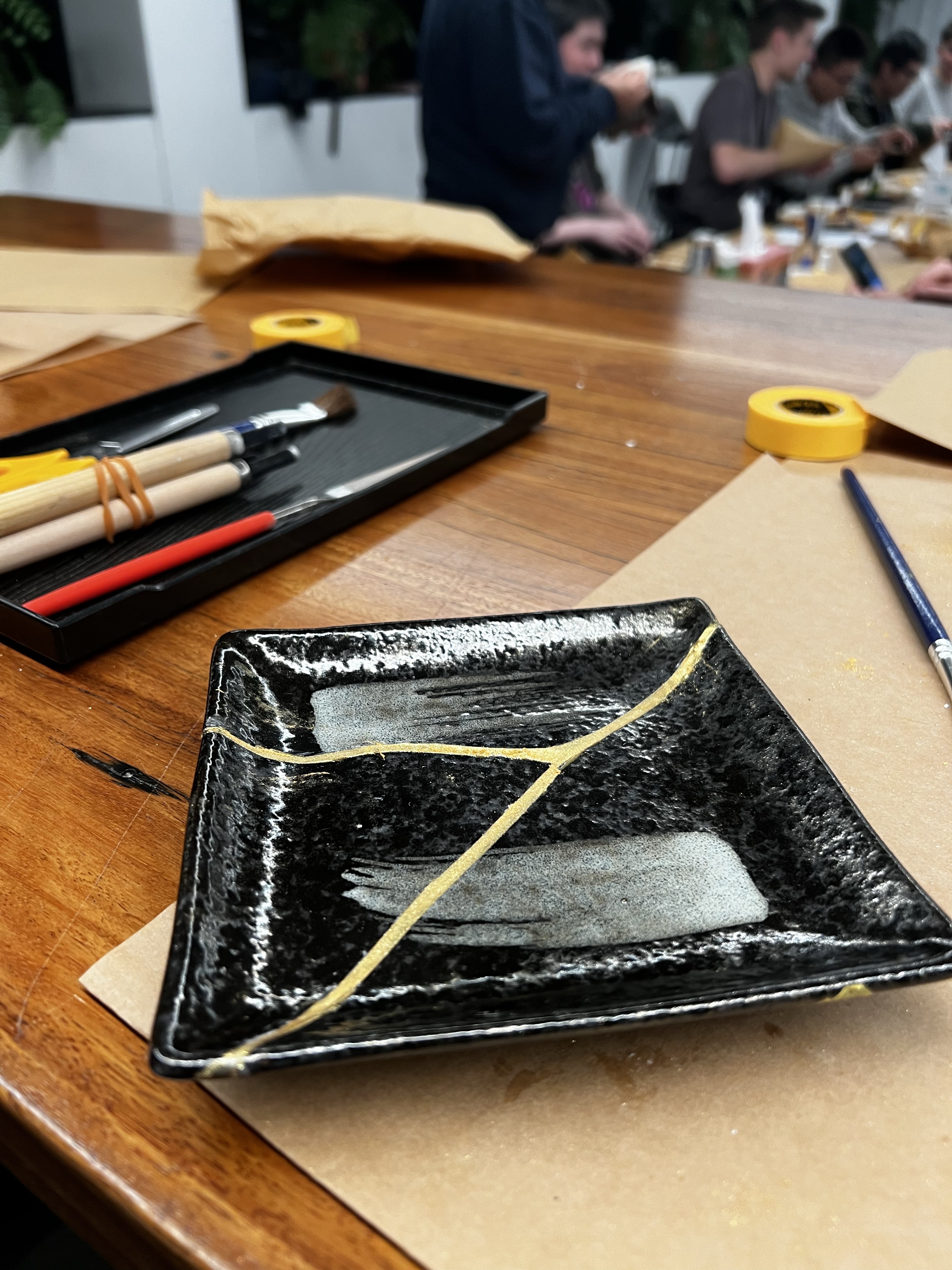
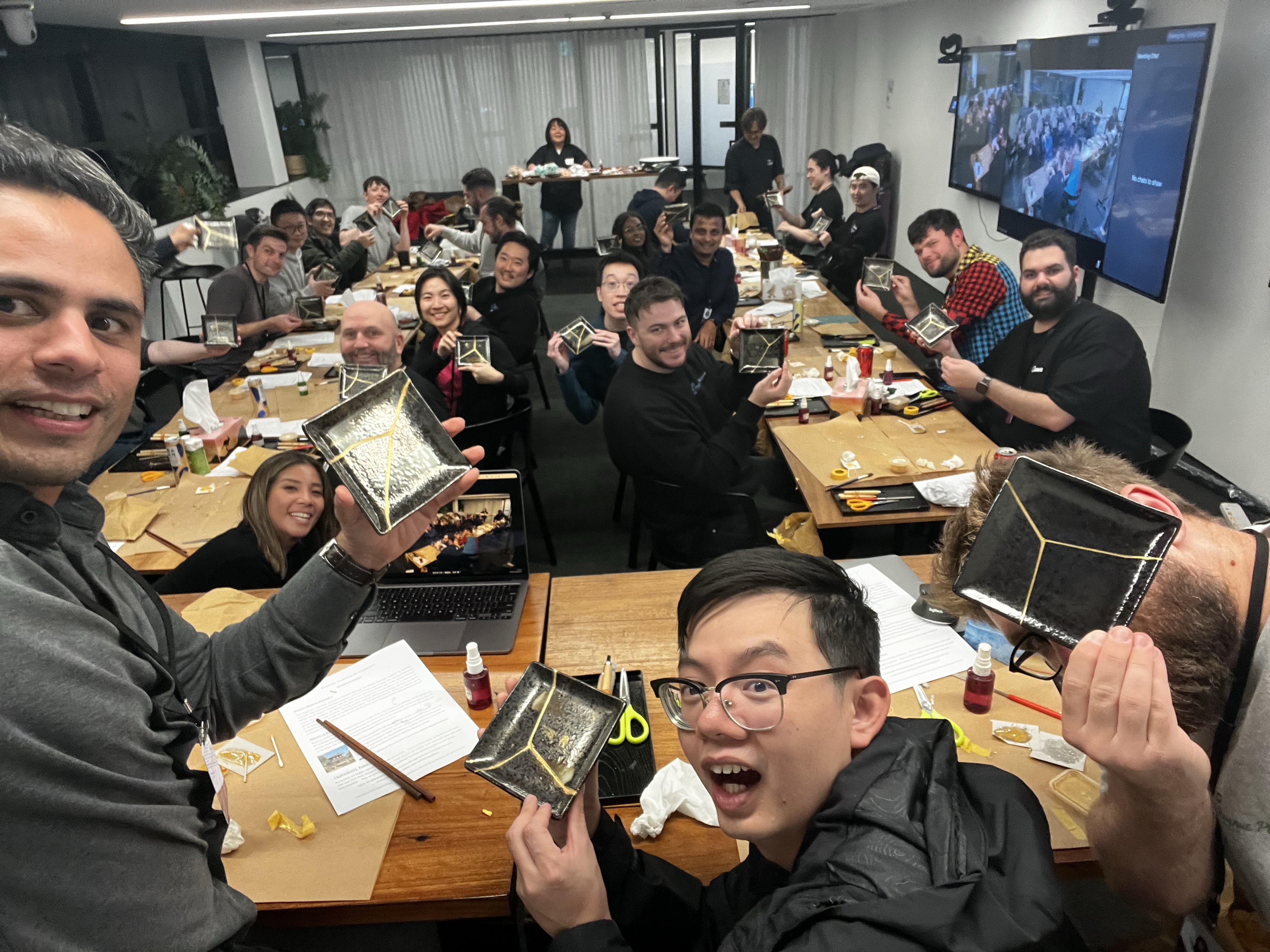
  • Picture this: a group of product managers, designers, and engineers huddled together, holding broken pieces of plates, looking like we just survived a wild office party gone wrong. No, we didn’t have an epic ceramic-throwing contest (though that’s not a bad idea). Instead, we were diving headfirst into the art of Kintsugi, and let me tell you, it was as hilarious as it was enlightening.

    For those who haven’t heard of Kintsugi, it’s the Japanese art of repairing broken pottery with gold, silver, or platinum. The idea is not to hide the cracks but to highlight them, embracing the beauty of imperfection. And that’s where wabi-sabi comes in—a philosophy that finds beauty in the imperfect, the transient, and the incomplete. Basically, it’s the Marie Kondo method for your soul: if it doesn’t spark joy, appreciate its cracks and fill them with gold.

    Setting the Scene

    Imagine a room at Canva filled with nervous laughter, the occasional “Oops, I broke it more,” and a lot of “Is this how you hold a brush?” We had all the essentials: broken plates, gold lacquer, brushes, and a hefty dose of enthusiasm (and caffeine). As the designated MC and accidental Kintsugi expert, I kicked things off with a brief introduction to wabi-sabi.

    Wabi-Sabi 101: The Beauty of Imperfection

    I explained to my subscriptions team that wabi-sabi is all about embracing the imperfect and finding beauty in the flaws. It’s like looking at a cracked iPhone screen and thinking, “Wow, that’s some serious character!” rather than, “I need to sell a kidney to fix this.”

    Wabi-sabi teaches us to appreciate the transient nature of life. It’s about slowing down and savoring the moment—like enjoying a cup of coffee before realizing you’ve been drinking cold brew by accident.

    The Kintsugi Workshop: Where Laughter Meets Lacquer

    As we began our Kintsugi journey, it quickly became apparent that none of us were going to become master artisans overnight. There were a lot of awkward brush strokes, misplaced gold, and some plates that looked like they were attacked by a toddler with a glitter fetish. But that was the beauty of it—embracing the process and the imperfections.

    One of my plates ended up looking like something resembling modern art. I proudly declared, “It’s abstract!” and everyone applauded the creativity (and the ability to spin a near disaster into a masterpiece).

    Life Lessons from Kintsugi

    As we carefully mended our broken plates, a few life lessons began to emerge from the golden cracks:

    1. Embrace Your Flaws: Just like our broken plates, we all have our cracks and imperfections. Instead of hiding them, we should highlight them with metaphorical gold—our unique experiences and strengths.
    2. Take Your Time: The art of Kintsugi requires patience. In a world where we’re always rushing, it’s important to slow down and appreciate the process. Life is not a race to the finish line but a journey to be savored.
    3. Find Beauty in the Unfinished: Not everything needs to be perfect or complete. Sometimes, the most beautiful things are the ones that are still in progress—like that half-eaten pizza in the fridge.

    Wrapping Up with Wabi-Sabi Wisdom

    As we wrapped up our workshop, our once-broken plates were now shining with golden seams, each telling a unique story. We had a newfound appreciation for the philosophy of wabi-sabi and a ton of hilarious memories.

    One of our brilliant engineers came up with a fantastic analogy after the whole experience and presented it to the wider Canva team. Here’s what the slide looked like:

    The analogy compared our Subscriptions Service to Kintsugi, emphasizing how our team’s hard work and resilience transformed the service into something even more beautiful and robust. It was a moment of pride, laughter, and deep appreciation for the journey we’ve been on together.

    So, the next time life throws a curveball your way and you end up with a broken plate (or a broken spirit), remember the art of Kintsugi. Embrace the cracks, fill them with gold, and appreciate the beauty in the imperfection. And if all else fails, at least you’ll have a great story to tell—and maybe a new abstract art piece for your office desk.

    Now, if you’ll excuse me, I have to find a place for my newly minted Kintsugi plate. I’m thinking right next to my cold brew coffee maker—it’s all about balance, right?

Zain Abiddin

Life Enthusiast - Musings on Life & Work

Skip to content ↓