It was July 18, 2015, when my mom pulled off the surprise of a lifetime. Forget the usual birthday cake and gift card—she booked flying lessons for me, my sister, and my brother-in-law at the local executive airport in Oakville, Ontario, Canada. This wasn’t just a cool gift; it was the spark that ignited my passion for aviation.
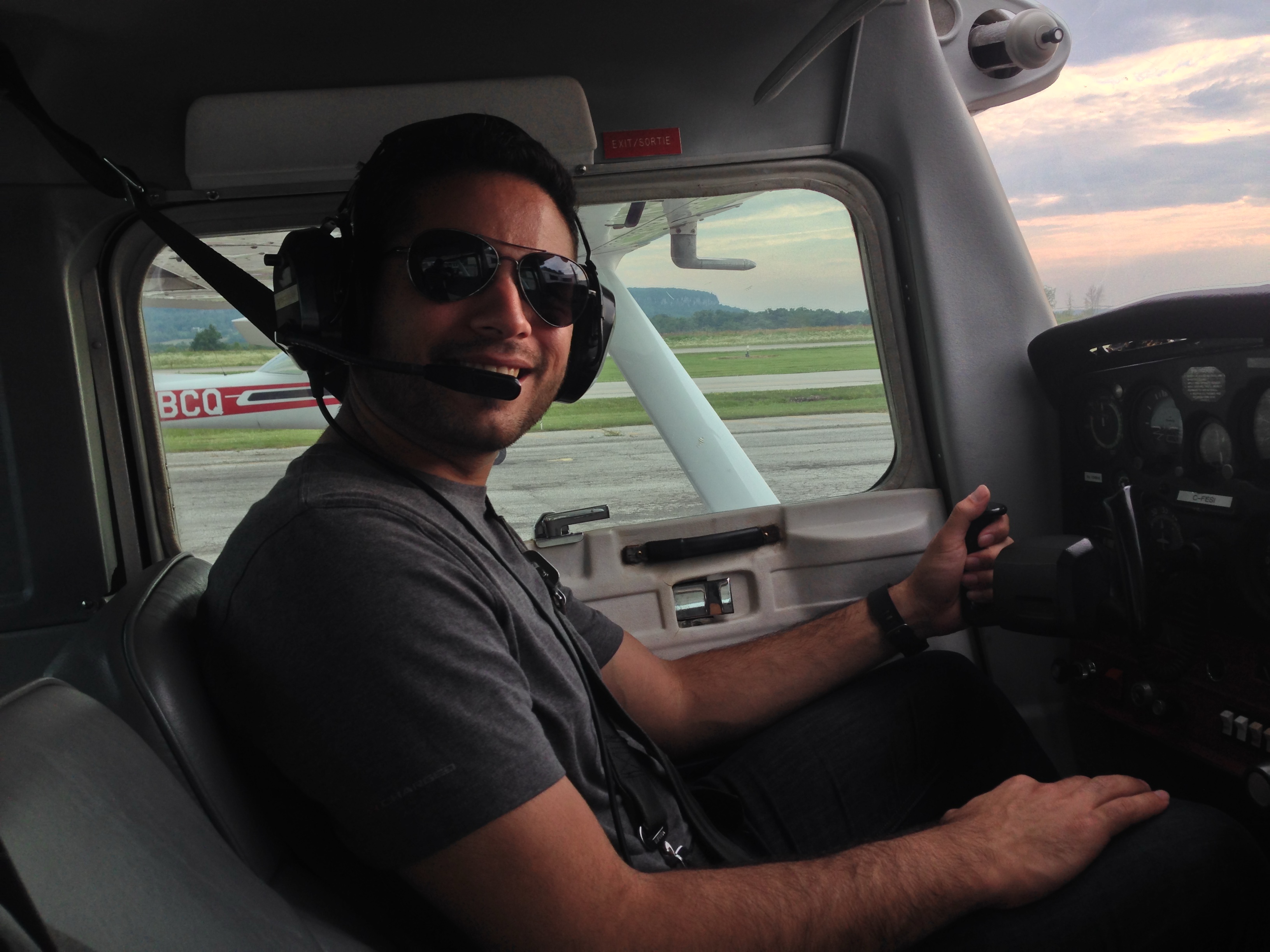
Fast forward through sporadic flying lessons (thanks to a busy travel and work schedule that kept me grounded more often than not), and we land smack in the middle of the COVID-19 pandemic. I’m living in downtown Toronto, right next to the CN Tower and Billy Bishop Airport—a gem built on a tiny island just a five-minute tunnel walk from my condo. It’s probably the most charming airport you’ve never heard of.
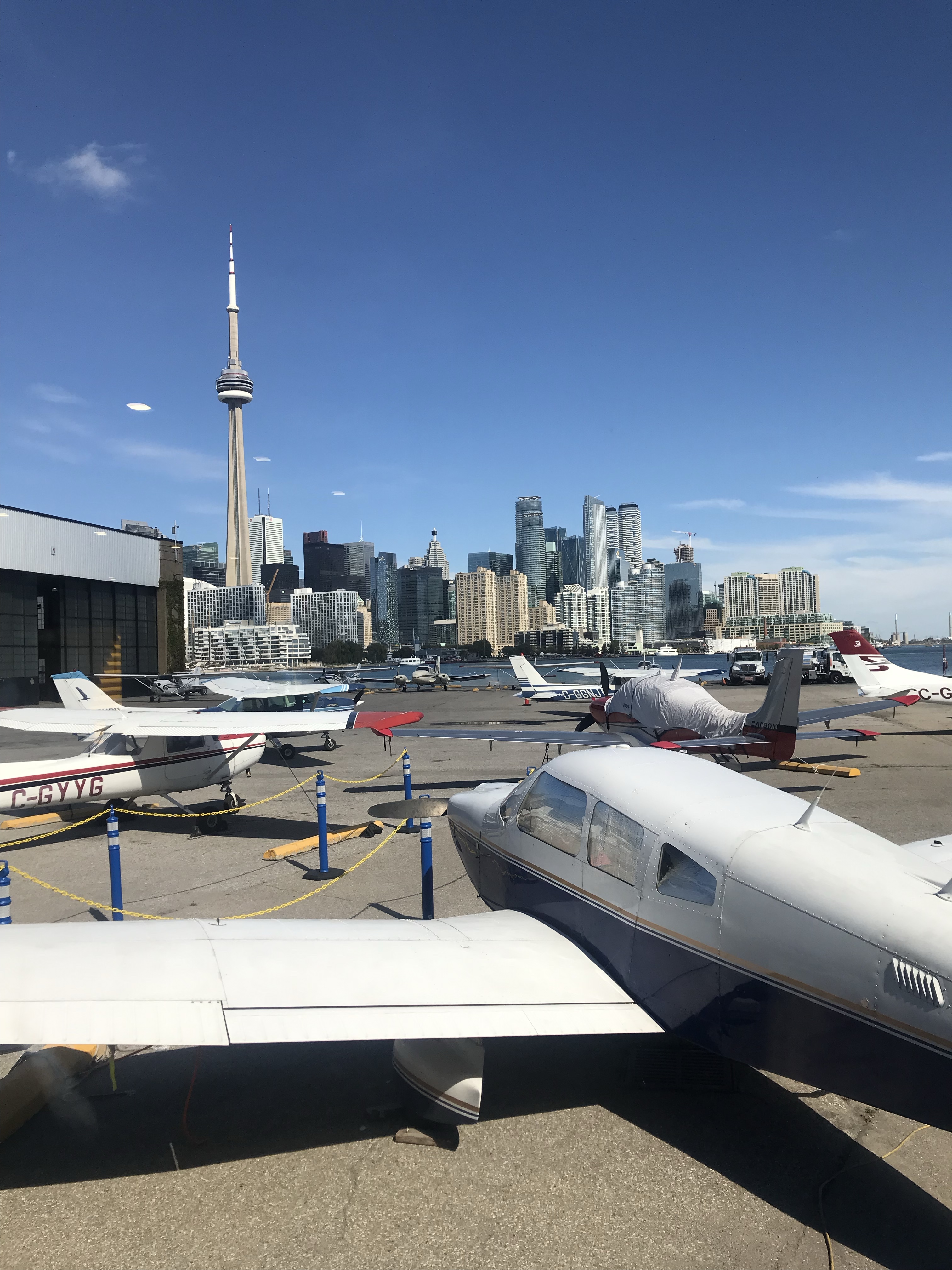
During COVID, I was working for Canva, an Australian-based company. This meant my work hours were from 5 PM to 1 AM to align with my team in Sydney. The upside? My days were free to do whatever I pleased. One morning, while sipping coffee on my condo balcony, I glanced at the wind sock on the airport runway and thought, “Wouldn’t it be cool to fly around during this lockdown while all the commercial flights are grounded?”
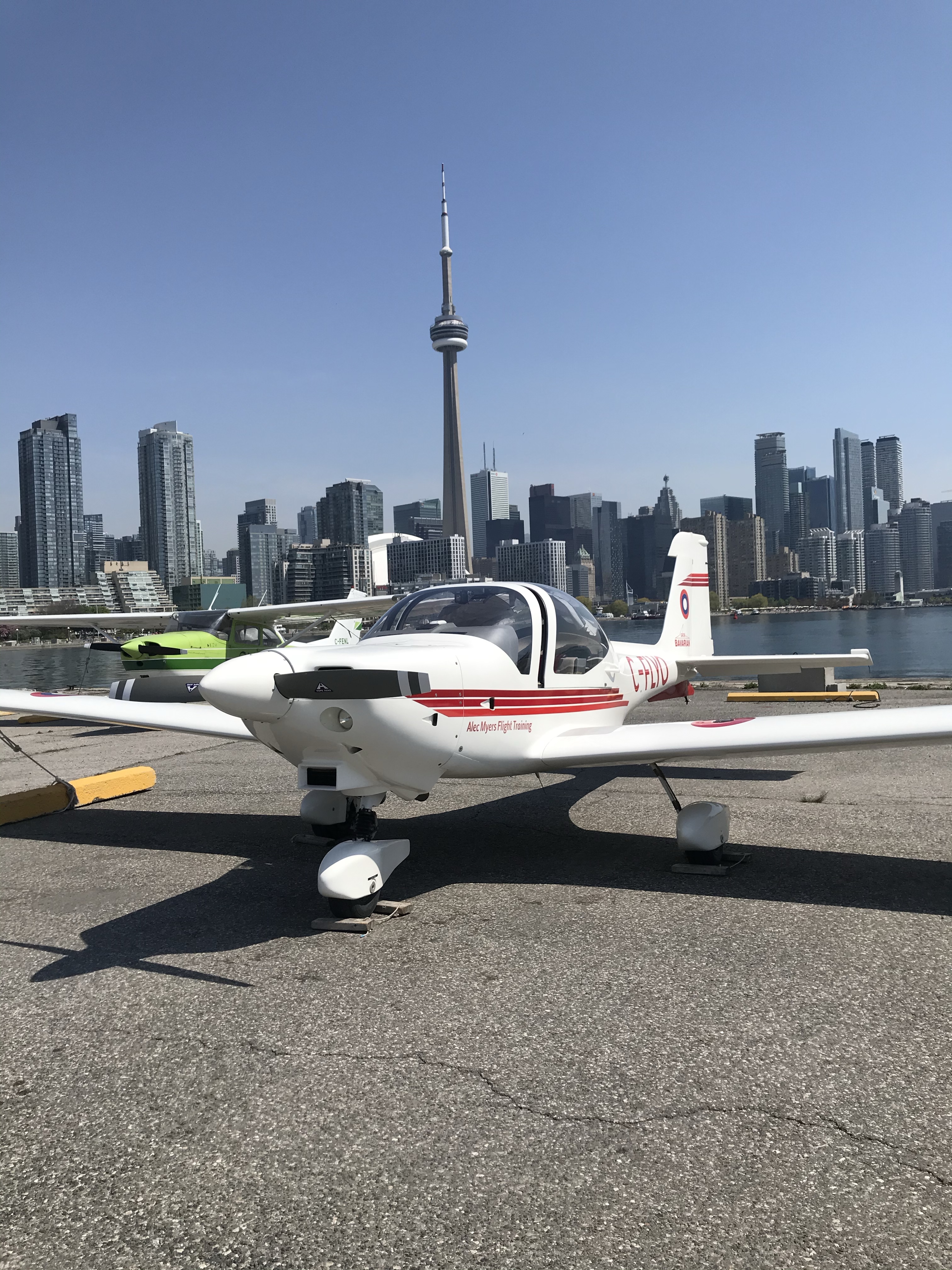
A quick Google search later, I stumbled upon “Alec Myers Training,” run by a British pilot with a one-plane flying school. He taught in a sleek, modern German plane called the Grob 115C, which had the same airframe as an airforce plane. It sounded like a dream come true—until reality set in.
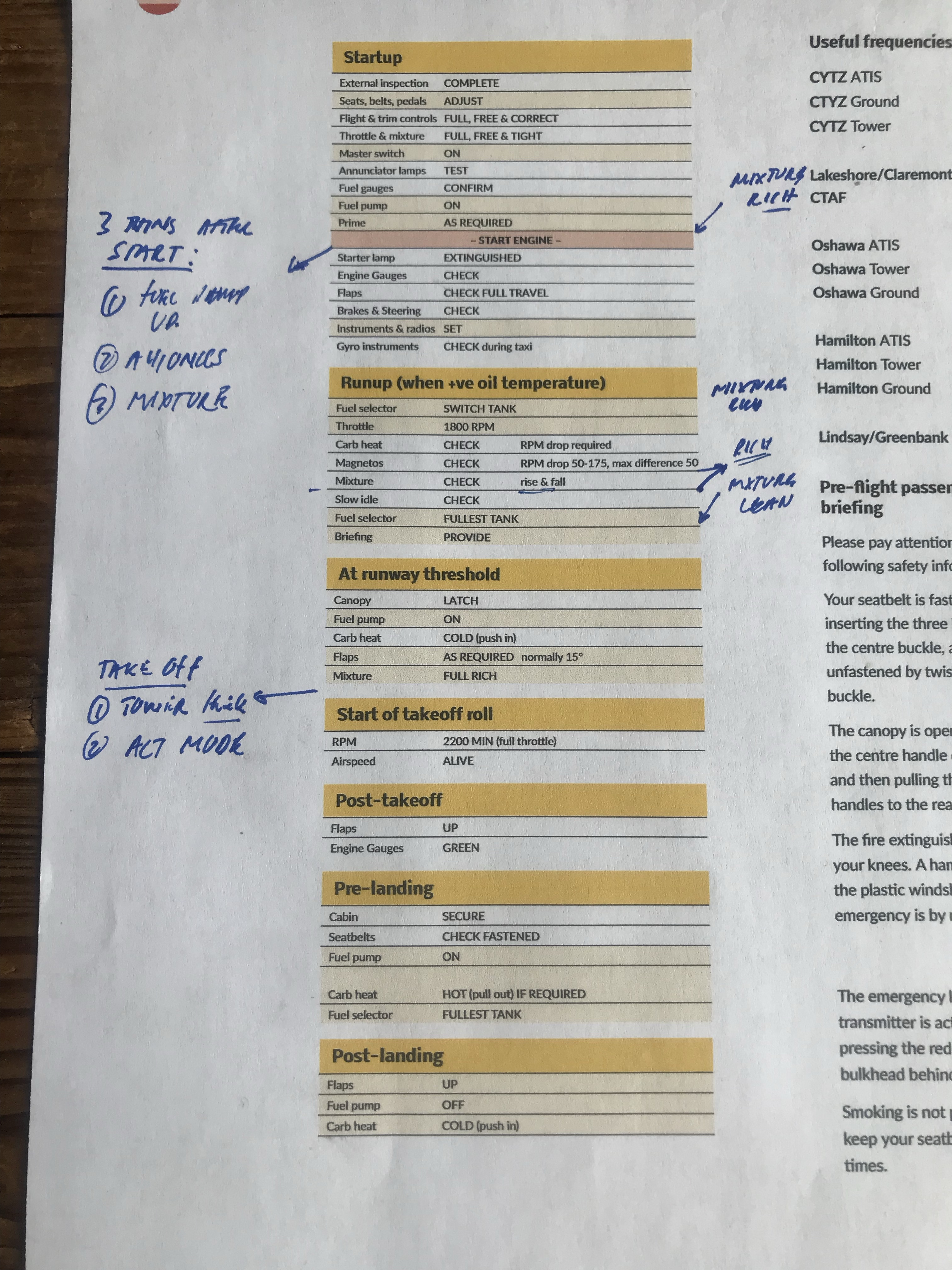
Learning to fly is not an easy weekend hobby. It requires a Medical Aviation Exam, constant studying of topics like Aerodynamics and Theory of Flight, Airframes, Engines & Systems, Aircraft Fuel, Mixture Control, and the Ignition System. Just to name a few.

Then there were the practical exercises: Stalls, Spins, Spirals, Engine failure in circuit, Overshoot, Crosswind landings, Runway changes, Communication Failures, Emergency procedures, and a 150 nautical mile solo cross-country. Not to mention the basics like flying STRAIGHT AND LEVEL, CLIMBS AND DESCENTS, STEEP TURNS, SLOW FLIGHT, and LANDINGS.
Radio training was a whole other beast. I had to learn the phonetic alphabet, communicate effectively with Air Traffic Control, and understand and read the weather. Pre-flight checks became a ritual—checking oil, fuel, and maintenance logs.
Balancing this with my demanding product job at Canva was like trying to juggle chainsaws while riding a unicycle. But what an adventure it was! Flying over downtown Toronto, taking off behind commercial airplanes, and seeing my city from a bird’s-eye view was nothing short of magical.
And let’s not forget the Toronto weather! I got to experience flying in all conditions: the humid summers where I felt like I was flying through a sauna; the beautiful fall, where the vibrant colors below made every flight picturesque; the icy winters that tested my skills and nerve, making me feel like a true aviator braving the elements; and the unpredictable spring, where one minute it’s sunny and the next, you’re navigating through a rainstorm.
Through this high-flying journey, I’ve learned several life lessons that have profoundly impacted my career and personal life:
1. Preparation is Key: Just like pre-flight checks are crucial to a safe flight, preparation in any project or task ensures smoother execution and fewer surprises.
2. Stay Calm Under Pressure: Handling emergency procedures in the air taught me to maintain my composure during high-stress situations, a skill that’s invaluable in both professional and personal crises.
3. Continuous Learning: Aviation demands constant learning and adaptation, similar to the ever-evolving tech industry. Embracing this mindset keeps me sharp and ready to tackle new challenges.
4. Attention to Detail: Small oversights in aviation can have big consequences. This attention to detail has translated into my work, ensuring that I catch potential issues before they become problems.
5. Resilience and Perseverance: Learning to fly wasn’t easy and required persistence through failures and setbacks. This resilience has helped me push through tough times in my career and personal endeavors.
6. Clear Communication: Effective communication with Air Traffic Control is vital for safety. Similarly, clear and concise communication in the workplace fosters better collaboration and reduces misunderstandings.
So, if you’re ever sipping coffee on your balcony and see a wind sock waving at you, maybe it’s a sign. Just be prepared for a rollercoaster of a journey filled with highs, lows, and a whole lot of studying. But trust me, it’s worth every moment.
And that, folks, is how I navigated the not-so-clear skies of learning to fly. Next up, maybe I’ll figure out how to land without white-knuckling the controls.


Leave a comment